

Youth and Drug Abuse: Preventive Role of Nasha Mukti Kendra in Building a Healthy Generation
Introduction
The youth of any nation are its most valuable asset — energetic, innovative, and full of potential. They represent the driving force of progress and social change. However, in recent decades, drug abuse among youth has emerged as one of the most alarming threats to both individual lives and national development.
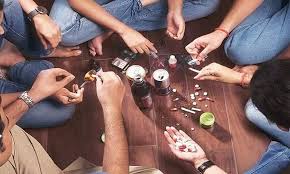
From peer pressure and social influence to stress and unemployment, the causes of addiction among young people are complex and multifaceted. What begins as “experimentation” often spirals into dependency, derailing education, careers, relationships, and mental well-being.
In this crisis, Nasha Mukti Kendras (De-Addiction and Rehabilitation Centers) play a vital preventive and restorative role. They not only help individuals recover from addiction but also work to educate, guide, and empower youth before they fall into the trap of substance abuse.
This blog explores the growing problem of youth addiction in India, its underlying causes, and how Nasha Mukti Kendras are shaping a healthy, drug-free generation through awareness, rehabilitation, and psychological support.
1. The Rising Tide of Youth Addiction
1.1 The Scope of the Problem
India, with one of the world’s largest youth populations, is facing a severe challenge. Studies show that a significant percentage of drug users in India are between 15 and 35 years of age. Substances like alcohol, marijuana, synthetic drugs, and opioids are easily available, making experimentation easier than ever before.
1.2 Early Exposure
The problem often begins in adolescence — when curiosity, peer pressure, and a desire for acceptance combine dangerously. Many young people start with casual use, unaware of how quickly the brain adapts and creates dependency.
1.3 A Global Concern
The issue is not confined to India alone. Worldwide, youth addiction is rising due to urbanization, digital influence, and easy access to intoxicants. However, in India, the cultural stigma around addiction often prevents young people from seeking timely help — making the role of Nasha Mukti Kendras even more critical.
2. Root Causes of Addiction Among Youth
Understanding why young people turn to drugs is the first step in preventing it.
2.1 Peer Pressure
The desire to fit in or be accepted by friends often pushes youngsters into experimenting with substances. Once introduced, addiction can grow silently but rapidly.
2.2 Academic and Career Stress
The pressure to perform academically, secure employment, or meet family expectations creates intense stress. For many, substances seem like an escape route.
2.3 Family Problems
Broken families, lack of parental attention, or domestic violence can lead young minds toward emotional instability and substance abuse.
2.4 Unemployment and Idleness
Lack of purpose or financial instability drives many youths toward temporary relief through drugs or alcohol.
2.5 Digital and Media Influence
Movies, music videos, and social media often glamorize drug use as “cool” or “rebellious,” misleading impressionable minds into believing it’s harmless.
3. Psychological and Social Impact
Youth addiction is not just a physical dependency — it’s a deep psychological and social issue.
Cognitive decline: Drugs impair memory, focus, and learning abilities.
Mental health disorders: Addiction often coexists with anxiety, depression, or suicidal tendencies.
Social isolation: Addicted youth withdraw from family, friends, and society.
Criminal involvement: To sustain their habit, many turn to theft or illegal activities.
Loss of productivity: Addiction derails education, jobs, and the nation’s human potential.
4. The Preventive Role of Nasha Mukti Kendra
Prevention is always better than cure — and Nasha Mukti Kendras understand this deeply. They work proactively to educate and protect youth before addiction begins.
4.1 Awareness Campaigns
Centers organize school, college, and community outreach programs to educate young people about:
The physical and mental consequences of drug abuse.
Early signs of addiction.
The importance of saying no to peer pressure.
Interactive workshops, posters, and seminars make the learning engaging and relatable.
4.2 Counseling and Early Intervention
For youth showing early signs of addiction, Nasha Mukti Kendras provide early intervention counseling. Through confidential sessions, experts address emotional distress and guide them toward positive lifestyle choices before dependency deepens.
4.3 Community Collaboration
Centers often collaborate with educational institutions, NGOs, and health departments to build strong preventive networks. These partnerships extend awareness and ensure that help is accessible when needed.
5. Rehabilitation: Healing Young Minds
When prevention fails, rehabilitation becomes essential. Nasha Mukti Kendras are equipped to handle young patients with care, empathy, and scientific precision.
5.1 Medical Detoxification
The first step in recovery is safe detoxification under medical supervision. Doctors ensure that withdrawal symptoms are managed effectively and that the body regains stability.
5.2 Psychological Therapy
Rehabilitation focuses on healing the mind as much as the body. Cognitive Behavioral Therapy (CBT), group therapy, and mindfulness sessions help youth:
Identify emotional triggers.
Develop healthier coping mechanisms.
Rebuild self-esteem and confidence.
5.3 Life Skill Development
Many young addicts lose their sense of purpose. Rehabilitation includes life skill training, personality development, and goal-setting sessions that help them rediscover ambition and self-belief.
6. Role of Family in Youth Recovery
Family plays a central role in both prevention and recovery.
6.1 Family Counseling
Addiction affects not just the individual but the entire household. Nasha Mukti Kendras conduct family therapy sessions to:
Rebuild trust and communication.
Educate parents on how to support recovery.
Address emotional damage caused by addiction.
6.2 Emotional Support System
When families participate actively, the chances of long-term recovery rise dramatically. A supportive home environment becomes a powerful shield against relapse.
7. Education and Vocational Training
For young patients, returning to a productive life is crucial. Hence, rehabilitation centers emphasize education and skill-building.
7.1 Continuing Education
Centers coordinate with schools and colleges to help students continue their studies post-recovery without facing discrimination.
7.2 Vocational Training
For those who couldn’t complete formal education, training in fields like:
Computer skills
Tailoring
Graphic design
Electrical work
provides them with career opportunities and financial independence.
7.3 Building Confidence
Through structured learning and achievement, young people rediscover purpose and dignity — essential elements for staying drug-free.
8. Promoting Mental Health Awareness
Youth addiction is tightly linked to mental health. Depression, anxiety, and trauma often push individuals toward substances.
Nasha Mukti Kendras integrate mental health therapy into their programs through:
Regular counseling sessions with psychologists.
Meditation and yoga for stress control.
Support groups where young people share experiences and build mutual strength.
These initiatives not only help them recover but also teach emotional resilience — a key to preventing relapse.
9. Role of Society in Prevention
Society must play a proactive role in protecting its youth.
9.1 Breaking the Stigma
Addiction should be treated as a disease, not a disgrace. By changing public perception, more young people will feel safe seeking help.
9.2 Schools as Watchpoints
Teachers and counselors must be trained to identify early signs of drug use — such as falling grades, aggression, or absenteeism — and intervene promptly.
9.3 Youth-Led Awareness
Recovered youth can serve as role models, sharing their stories in schools and communities to inspire others to stay drug-free.
10. Technology and Modern Outreach
In the digital age, awareness efforts have extended online.
Nasha Mukti Kendras now use social media, webinars, and digital campaigns to reach young audiences where they spend most of their time.
Instagram & YouTube awareness videos share real-life recovery stories.
Online counseling sessions provide anonymous, judgment-free help.
24×7 helplines ensure instant support for those in crisis.
This blend of technology and therapy makes addiction prevention more accessible and effective than ever before.
11. Post-Rehabilitation Support
Recovery is a journey — not a destination. Nasha Mukti Kendras continue to support young people even after they leave the center.
11.1 Follow-Up Programs
Regular check-ins and motivational meetings help ensure that progress continues.
11.2 Relapse Prevention
Youth are trained to recognize triggers, manage stress, and seek help when tempted. Support groups keep them accountable and connected.
11.3 Creating Peer Networks
Centers encourage recovered youth to form peer mentorship circles, where they guide and support new members entering recovery.
12. Building a Drug-Free Generation
The ultimate mission of Nasha Mukti Kendras is not just to treat addiction — but to build a generation that never falls into it.
Education over experimentation
Awareness over ignorance
Support over stigma
By empowering youth with knowledge, values, and emotional balance, these centers are planting the seeds of a healthier future for India.
Conclusion
Youth addiction is not merely an individual struggle; it’s a societal challenge that demands compassion, awareness, and collective action. Nasha Mukti Kendras are at the forefront of this movement — saving young lives, restoring families, and reshaping communities.
Their work proves that prevention, awareness, and rehabilitation can transform despair into determination. Every young person saved from addiction becomes a symbol of hope — proof that with the right guidance, support, and mindset, a brighter, drug-free future is possible.
A healthy generation is not built in hospitals or classrooms alone — it’s built through awareness, empathy, and shared responsibility. And Nasha Mukti Kendras are leading that transformation, one young life at a time.




Leave A Comment