

Introduction
Recovery from addiction is not a straight line—it’s a journey with ups and downs. While completing a rehabilitation program is a big achievement, many individuals face a tough challenge afterward: relapse. A relapse doesn’t mean failure—it’s often part of the recovery process. However, understanding why relapse happens and how to prevent it can make the difference between long-term sobriety and repeated struggle.
In this blog, we’ll explore the common causes of relapse, the warning signs, and proven strategies that help individuals stay on the path of recovery.
1. What Is a Relapse?
A relapse occurs when a person who has achieved sobriety returns to substance use. It can be temporary or long-term, and it often begins emotionally or mentally before any physical use happens.
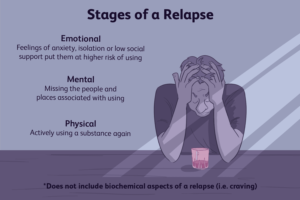
There are generally three stages:
Emotional Relapse – The person feels anxious, isolated, or irritable but doesn’t plan to use substances.
Mental Relapse – The internal battle begins—part of them wants to stay sober, but another part starts craving the substance again.
Physical Relapse – The person actually uses drugs or alcohol again.
Understanding these stages helps in identifying and addressing relapse before it progresses.
2. Common Causes of Relapse
Even after successful treatment, relapse can occur due to various emotional, psychological, and environmental triggers.
a. Stress and Emotional Turmoil
Stress is one of the most powerful triggers. Financial issues, work pressure, or relationship conflicts can make individuals turn back to substances as a coping mechanism.
b. Negative Social Circles
Returning to old social environments where substance use was common can quickly reignite old habits.
c. Lack of Support System
Without ongoing emotional and social support, recovery feels isolating. This loneliness can increase vulnerability to relapse.
d. Mental Health Disorders
Conditions such as anxiety, depression, or trauma often coexist with addiction. If untreated, they can lead to relapse.
e. Overconfidence
Sometimes, individuals believe they’re “fully cured” and can handle being around triggers. This overconfidence can backfire, leading to a sudden return to substance use.
f. Poor Aftercare Planning
Addiction recovery doesn’t end at rehab discharge. A lack of aftercare—such as follow-up therapy or support groups—makes relapse more likely.
3. Warning Signs of an Approaching Relapse
Recognizing early warning signs is crucial for prevention. Common indicators include:
Withdrawal from supportive relationships
Loss of interest in hobbies or self-care
Romanticizing past substance use
Skipping therapy or meetings
Changes in mood or sleep patterns
Secretive or defensive behavior
By catching these signs early, families and professionals can intervene before relapse happens.
4. The Psychology Behind Relapse
Addiction rewires the brain’s reward system. Even after detoxification, the brain remembers the “pleasure” associated with substance use. Under stress, those neural pathways can be reactivated.
Psychologically, relapse can also stem from guilt, shame, or hopelessness. Individuals might believe they don’t deserve recovery or that they’ll always fail. This self-sabotaging mindset must be replaced with self-compassion and continuous therapy.
5. How to Prevent Relapse: Proven Strategies
a. Develop a Personalized Aftercare Plan
Every recovering individual needs a post-rehab plan that includes:
Regular counseling or therapy
Support group participation
Lifestyle structure (exercise, hobbies, work goals)
Avoidance of high-risk situations
A clear routine provides direction and stability.
b. Build a Strong Support System
Recovery thrives in community. Nasha Mukti Kendras often help clients connect with peer groups and counselors who provide emotional strength during difficult times.
c. Practice Stress Management
Healthy outlets such as yoga, meditation, or journaling can significantly reduce emotional stress. Learning to respond to stress rather than react to it is key.
d. Address Underlying Mental Health Issues
Dual diagnosis treatment—addressing both addiction and mental health—prevents relapse caused by untreated anxiety, trauma, or depression.
e. Stay Connected to Recovery Networks
Participation in AA (Alcoholics Anonymous), NA (Narcotics Anonymous), or local recovery programs keeps individuals accountable and motivated.
f. Identify and Manage Triggers
Recognizing what leads to cravings—whether it’s certain people, places, or emotions—helps create an action plan to avoid or manage them effectively.
g. Celebrate Milestones
Acknowledging progress, no matter how small, builds motivation. Celebrations can include monthly sobriety achievements, new hobbies, or personal goals reached.
6. Role of Nasha Mukti Kendras in Relapse Prevention
Modern Nasha Mukti Kendras in India have evolved into comprehensive recovery centers. Beyond detoxification, they now offer:
Behavioral Therapy (CBT, DBT)
Relapse Prevention Programs
Vocational Training & Life Skills Coaching
Family Counseling
24×7 Peer Support Groups
These programs ensure that individuals not only quit substances but also learn to live meaningful, purpose-driven lives.
7. The Family’s Role in Preventing Relapse
Recovery is a team effort. Families can:
Encourage open communication
Avoid blame or criticism
Participate in therapy sessions
Create a positive home environment
Help build new habits and routines
A supportive family can transform recovery into a lasting success story.
8. When Relapse Happens — What to Do
If a relapse occurs, it’s vital to respond with compassion, not judgment. Steps to take:
Acknowledge it quickly — Avoid denial or shame.
Seek immediate professional help — Contact a counselor or Nasha Mukti Kendra.
Reassess the recovery plan — Identify what went wrong and adjust strategies.
Continue support — Relapse is not the end; it’s a signal that the recovery process needs reinforcement.
9. Building Long-Term Resilience
Preventing relapse isn’t about perfection—it’s about persistence. Building resilience means:
Accepting that cravings may occur
Practicing self-awareness daily
Staying engaged in therapy and community support
Focusing on purpose, career, and relationships
Each day sober is a victory, and over time, those victories become a strong foundation for life-long recovery.
Conclusion
Relapse is not a failure—it’s a reminder that recovery is ongoing. By understanding the emotional, psychological, and social roots of relapse, individuals can prepare better, families can support stronger, and Nasha Mukti Kendras can guide deeper healing.
With awareness, compassion, and consistent effort, relapse can be transformed from a setback into a stepping stone toward lasting sobriety and a healthier, more fulfilling life.




Leave A Comment