

For decades, society has misunderstood addiction. People often think addiction happens because someone is weak, lazy, or lacks willpower. They assume a person can simply “decide to stop” if they really want to.
But modern medical science and psychological research clearly prove otherwise — addiction is a disease, not a moral failure.
It affects the brain, behavior, emotions, and physical health, just like other chronic diseases such as diabetes or hypertension. Recognizing addiction as a disease is the first step toward compassion, understanding, and effective treatment.
What is Addiction?
Addiction (whether to alcohol, drugs, or other substances) is a chronic brain disorder characterized by:
Compulsive substance use despite knowing its harm
Cravings and inability to control consumption
Emotional and physical dependence
Repeated relapse even after treatment
The person is not “choosing” addiction — they are trapped in a biological and psychological cycle that controls their brain and behavior.
Why Addiction Is a Disease – Scientific Explanation
The American Medical Association (AMA) and the World Health Organization (WHO) both classify addiction as a chronic medical disease.
Here’s why:
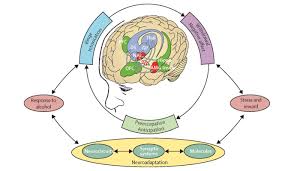
1. Addiction Changes Brain Structure and Function
Drugs and alcohol alter brain circuits related to:
Reward and pleasure
Motivation
Learning and memory
Decision-making
These substances hijack the brain’s reward system, flooding it with dopamine. Over time, the brain stops producing natural dopamine, leading to chemical dependency.
The result:
The person needs the substance to feel “normal” — not because of choice, but because their brain has physically changed.
2. Addiction Has Predictable Symptoms
Like other diseases, addiction shows consistent symptoms:
Cravings
Tolerance (needing more for the same effect)
Withdrawal symptoms when not using
Relapse after temporary recovery
These are biological symptoms, not signs of weakness.
3. Addiction Has Stages
Just like cancer or diabetes, addiction progresses in stages:
| Stage | Description |
|---|---|
| Experimentation | Trying the substance for fun or curiosity |
| Regular Use | Occasional use becomes routine |
| Dependence | The body and mind crave it regularly |
| Addiction | Loss of control, severe mental & physical damage |
Understanding these stages helps with early diagnosis and treatment.
4. Addiction Has Genetic & Environmental Causes
Studies show 40–60% of addiction risk comes from genetics.
Other risk factors include:
Childhood trauma
Family addiction history
Peer pressure
Mental health conditions
Stressful environments
No one chooses these factors — they develop addiction the same way one develops other illnesses due to risk factors.
Why Addiction Is Not a Moral Failure
1. Addiction Is Not About “Bad Choices”
People don’t choose to become addicted.
The choice to “try once” may be voluntary, but after the brain changes, choice becomes limited.
That’s why even the most determined person can relapse — not because they’re weak, but because their brain has been rewired.
2. Blaming Only Increases Shame
When society calls addicts “bad” or “weak,” it:
Increases guilt and hopelessness
Discourages them from seeking help
Worsens depression and isolation
Addiction recovery needs understanding, not punishment.
3. Willpower Alone Is Not Enough
Telling someone to “just stop using” is like telling a diabetic to “just stop having high blood sugar.”
Addiction changes brain chemistry, which requires treatment, not judgment.
Professional help (detox, counseling, and therapy) is the same as medical care for any other chronic disease.
How Nasha Mukti Kendra Treats Addiction as a Disease
1. Medical Detoxification
Doctors safely remove toxins from the body, manage withdrawal, and stabilize the person physically.
2. Psychological Counseling
Addiction affects thoughts and emotions.
Therapists use methods like Cognitive Behavioral Therapy (CBT) and Motivational Enhancement Therapy (MET) to help rebuild self-control.
3. Behavioral & Lifestyle Therapy
Structured routines, yoga, meditation, and physical fitness programs help the person recover naturally and rebuild discipline.
4. Family Involvement
Family counseling removes guilt and teaches members to support recovery instead of blaming.
5. Relapse Prevention Programs
Addiction, like any chronic illness, can relapse.
Rehab centers teach relapse management through:
Trigger awareness
Stress control
Emotional stability training
This approach treats addiction as a medical journey, not a moral punishment.
Benefits of Seeing Addiction as a Disease
| Traditional View | Medical View |
|---|---|
| “He’s weak.” | “He’s unwell.” |
| “She has no willpower.” | “She needs treatment.” |
| “He’s doing it on purpose.” | “His brain is chemically dependent.” |
| “She can’t change.” | “Recovery is possible with therapy and support.” |
This shift in mindset changes everything — from shame to healing, and from punishment to progress.
How Society Can Help
Use kind language: Say “person with addiction,” not “addict.”
Support awareness programs in schools and communities.
Encourage treatment instead of isolation or judgment.
Celebrate recovery journeys — they inspire others to seek help.
Understanding addiction as a disease builds a more compassionate, supportive, and healthy society.
Conclusion
Addiction is not a moral failure — it is a medical, psychological, and social illness.
It affects the brain, damages emotions, and weakens behavior — but it can be treated completely with the right approach.
A Nasha Mukti Kendra provides:
✅ Medical care
✅ Counseling
✅ Yoga & meditation
✅ Family healing
✅ Lifestyle training
When treated as a disease, addiction recovery becomes possible, practical, and permanent.
Healing begins the moment judgment ends.

Leave A Comment