


Addiction is not a sudden event; it is a gradual process that silently affects the body, mind, relationships, and future. Many people struggling with alcohol or drug dependence often delay seeking help because they believe they can quit on their own or that the problem is “not serious enough yet.” Unfortunately, this delay can make recovery more difficult.
A Nasha Mukti Kendra plays a crucial role in breaking this cycle by offering structured, professional, and compassionate treatment. But one of the most common questions families and individuals ask is: When is the right time to consider a Nasha Mukti Kendra?
This blog explores the signs, situations, emotional indicators, and life circumstances that suggest it is time to seek professional addiction treatment.
Understanding Addiction Beyond Habits
Addiction is not merely a bad habit or lack of willpower. It is a chronic condition that affects brain chemistry, emotional stability, and decision-making ability. Over time, substance use becomes a necessity rather than a choice.
Many individuals fail to recognize the seriousness of addiction because:
They are still functioning at work or home
They compare themselves to people with more severe addiction
They believe quitting can happen “anytime”
However, addiction often escalates silently until it reaches a crisis stage.
Early Warning Signs That Should Not Be Ignored
One of the clearest indicators that professional help is needed is the presence of early warning signs. These signs may appear mild initially but worsen over time.
Behavioral Signs
Increasing frequency of substance use
Using substances alone or in secrecy
Neglecting responsibilities at work or home
Loss of interest in hobbies or social activities
Lying about usage patterns
Emotional and Mental Signs
Irritability or mood swings
Anxiety or depression without clear reason
Anger when questioned about substance use
Low self-esteem or guilt
Lack of motivation
When these signs become regular, it is a strong signal to consider a Nasha Mukti Kendra.
When Self-Control No Longer Works
Many individuals attempt to quit multiple times on their own. They promise themselves or their families that they will stop, only to relapse within days or weeks.
If you notice:
Repeated failed attempts to quit
Strong cravings that overpower self-control
Relapse after short periods of abstinence
Then it is no longer a self-control issue. It is a medical and psychological condition that requires structured treatment.
A Nasha Mukti Kendra provides:
Controlled detoxification
Emotional support
Professional supervision
Relapse prevention strategies
Physical Dependence and Withdrawal Symptoms
Physical dependence is a serious sign that immediate professional care is required.
Common withdrawal symptoms include:
Tremors or shaking
Excessive sweating
Headaches
Nausea or vomiting
Insomnia
Rapid heartbeat
Panic attacks
Seizures (in severe cases)
Withdrawal without medical supervision can be dangerous. A Nasha Mukti Kendra ensures safe detox under trained care, reducing health risks and discomfort.
Impact on Family and Relationships
One of the most painful effects of addiction is its impact on loved ones.
You should consider a Nasha Mukti Kendra when:
Family members express constant concern
Relationships are damaged due to substance use
Trust is broken repeatedly
Conflicts and arguments increase
Children or elders are emotionally affected
Addiction is not an individual issue; it is a family issue. Professional treatment helps rebuild trust, communication, and emotional stability.
Decline in Work or Academic Performance
Another clear indicator is when addiction starts affecting productivity and responsibility.
Warning signs include:
Frequent absenteeism
Poor performance or missed deadlines
Loss of job or academic failure
Financial instability due to substance spending
A Nasha Mukti Kendra helps individuals regain discipline, focus, and long-term life direction.
Health Complications Due to Substance Use
Long-term substance use can lead to serious health problems such as:
Liver damage
Heart issues
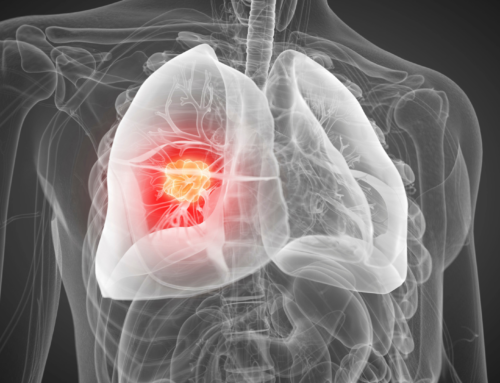
Lung problems
Memory loss
Mental health disorders
Weakened immune system
If medical reports, doctors, or physical symptoms point toward substance-related damage, immediate treatment is essential. Ignoring these signs can lead to irreversible harm.
When Mental Health Is Affected
Addiction and mental health are deeply connected. Many people use substances to cope with:
Stress
Trauma
Anxiety
Depression
Loneliness
Over time, substance use worsens mental health instead of improving it.
If you or your loved one experiences:
Persistent sadness
Panic attacks
Suicidal thoughts
Emotional numbness
Then professional intervention through a Nasha Mukti Kendra becomes critical.
Loss of Control Over Quantity and Frequency
A key diagnostic sign of addiction is loss of control.
Examples:
Planning to use “a little” but consuming excessively
Needing higher doses for the same effect
Feeling unable to stop once started
This loss of control is not weakness; it is a symptom of addiction that requires structured treatment.
Legal or Social Consequences
Addiction often leads to:
Legal trouble
Accidents
Risky behavior
Social isolation
If substance use is creating problems with law, society, or personal safety, it is a clear signal that professional help should not be delayed.
Why Early Treatment Matters
The earlier addiction is treated:
The easier recovery becomes
The lower the relapse risk
The fewer health complications
The faster emotional healing occurs
Waiting for a “rock bottom” is dangerous. Recovery is possible at any stage, but early intervention improves outcomes significantly.
What a Nasha Mukti Kendra Actually Offers
Many people hesitate because they do not understand what happens inside a Nasha Mukti Kendra.
Typically, treatment includes:
Medical detoxification
Individual counseling
Group therapy
Emotional healing sessions
Lifestyle restructuring
Relapse prevention planning
Aftercare guidance
Treatment is confidential, supportive, and designed to restore dignity and self-worth.
Removing the Fear and Stigma
Fear and stigma are major barriers to seeking help. Many believe that joining a Nasha Mukti Kendra means failure. In reality, it means strength and responsibility.
Choosing treatment means:
Taking control of life
Protecting family
Choosing health over harm
Investing in a better future
Final Thoughts
You should consider a Nasha Mukti Kendra not when everything is lost, but when you realize life can be better. Addiction does not disappear on its own, but recovery is always possible with the right guidance.
If substance use is affecting health, relationships, work, or peace of mind, the right time to seek help is now.
NEXT BLOG
Daily Routine Inside a Nasha Mukti Kendra: A Step-by-Step Guide
Many people hesitate to join a Nasha Mukti Kendra because they are unsure about what daily life looks like inside. There are misconceptions that treatment centers are strict, uncomfortable, or emotionally overwhelming. In reality, a well-structured daily routine is one of the strongest foundations for successful recovery.
This blog provides a detailed, step-by-step look into a typical day inside a Nasha Mukti Kendra and explains how structure supports healing.
Importance of Routine in Recovery
Addiction disrupts discipline, sleep cycles, and emotional balance. A fixed daily schedule:
Restores stability
Reduces anxiety
Builds healthy habits
Creates accountability
Routine replaces chaos with order, helping individuals regain control over life.
Morning: A Fresh Start
The day usually begins early, encouraging a healthy sleep-wake cycle.
Morning activities include:
Wake-up at a fixed time
Personal hygiene
Light physical activity
Meditation or breathing exercises
These practices calm the mind and prepare individuals for emotional work ahead.
Medical Check and Detox Support
For those in early recovery, medical supervision is a key part of the morning routine.
This may involve:
Health monitoring
Medication (if prescribed)
Doctor consultations
Physical wellness assessment
Safety and comfort during detox are prioritized.
Breakfast and Nutrition
Nutritious meals are essential for healing the body weakened by substance use.
Meals focus on:
Balanced nutrition
Hydration
Energy restoration
Healthy eating supports mood stability and physical recovery.
Therapy Sessions
Therapy is the core of recovery.
Daily therapy may include:
Individual counseling
Group discussions
Behavioral therapy
Emotional expression sessions
These sessions help individuals understand triggers, emotions, and coping mechanisms.
Midday Activities and Skill Building
Afternoons often include:
Educational sessions
Life skills training
Self-reflection exercises
Recreational activities
These activities rebuild confidence and prepare individuals for life after treatment.
Evening Reflection and Relaxation
Evenings focus on:
Group sharing
Emotional processing
Relaxation techniques
Light physical activities
Sharing experiences reduces loneliness and builds peer support.
Night Routine and Rest
A peaceful night routine helps restore healthy sleep patterns.
Includes:
Reflection
Calming activities
Early bedtime
Quality sleep is essential for emotional regulation and healing.
How Routine Prevents Relapse
A structured routine:
Reduces idle time
Minimizes cravings
Builds self-discipline
Encourages accountability
These habits continue even after leaving the center.
Final Thoughts
Life inside a Nasha Mukti Kendra is not about restriction; it is about rebuilding life step by step. Routine, care, and emotional support together create the foundation for long-term recovery.




Leave A Comment