

Introduction
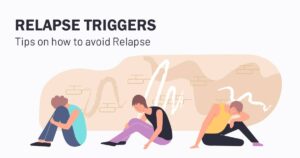
Relapse is one of the most challenging parts of addiction recovery.
Even after completing detox, therapy, or rehabilitation, many individuals struggle with unexpected urges and emotional triggers. According to global addiction studies, 40–60% of recovering individuals experience at least one relapse. But relapse does not mean failure — it simply means the person needs stronger coping strategies and deeper emotional healing.
The truth is:
Addiction is not just a habit; it is a connection between the brain, emotions, environment, and memories.
Triggers activate old pathways and make recovery difficult.
In this comprehensive blog, we explore:
What relapse truly means
The different types of relapse
The top triggers that lead to relapse
How the brain reacts to triggers
Practical strategies to avoid and overcome relapse
How family and social environment play a role
Long-term relapse prevention planning
By understanding these triggers and creating a strong prevention plan, long-term sobriety becomes absolutely achievable.
1. What Is a Relapse? Understanding the Truth
A relapse occurs when someone in recovery returns to alcohol, drugs, nicotine, or addictive behaviors after a period of abstinence.
But relapse is not an event — it is a process.
Relapse happens gradually and occurs in three scientifically recognized stages:
1. Emotional Relapse
Mood swings
Stress
Anxiety
Avoiding support groups
Isolating oneself
(But the person is not thinking about using.)
2. Mental Relapse
Cravings
Romanticizing past use
Thinking “just once won’t hurt”
Negotiating with self
Feeling restless
3. Physical Relapse
Actually using the substance again
Understanding these stages helps us identify the problem before the physical relapse occurs.
2. Why Do Relapses Happen? (Science Behind It)
During addiction, the brain forms strong connections between:
substances
emotions
environments
people
stress
memories
These brain pathways act like internal “maps.”
When a similar situation occurs in the future, the brain automatically triggers craving.
Relapse happens because:
the brain remembers the pleasure
the emotional system seeks escape
the person hasn’t fully healed
stress reduces self-control
Recovery requires rewiring the brain, not just stopping the substance.
3. Top 12 Relapse Triggers
These are the most common triggers that lead to relapse during recovery.
1. Stress and Anxiety
Stress is the number one cause of relapse.
People use substances to escape:
financial stress
relationship issues
work pressure
family conflicts
internal worries
Stress weakens decision-making and increases cravings.
2. Negative Emotions
Feelings such as:
sadness
loneliness
anger
guilt
shame
frustration
can push a recovering person toward old coping mechanisms.
3. Overconfidence (“I’m completely cured now”)
Many individuals feel confident after a few months of sobriety:
“I can handle one drink.”
“I can control myself now.”
“I’m not addicted anymore.”
This overconfidence is extremely dangerous because addiction is a long-term condition.
4. Old Friends and Social Circles
Reconnecting with people who still use substances is one of the strongest relapse triggers.
Even a short conversation can activate memory-based cravings.
5. Specific Places and Environments
These include:
bars
parties
clubs
smoking zones
old hangout spots
personal rooms where the person used substances
The brain associates these locations with previous use.
6. Celebrations and Parties
Festivals, birthdays, weddings, or achievements often tempt individuals to celebrate “the old way.”
Society normalizes alcohol and smoking in celebrations, which increases pressure.
7. Boredom and Unstructured Time
Empty mind = old habits return.
Lack of routine and loneliness amplify cravings.
8. Relationship Issues
Breakups, fights, and emotional distress are major triggers.
When emotional comfort is missing, the mind seeks artificial relief.
9. Physical Pain or Medical Conditions
People recovering from addiction may be given painkillers or sedatives, which can trigger old addictive behaviors.
10. Lack of Sleep
Sleep deprivation affects:
willpower
self-control
emotional stability
This increases the risk of relapse.
11. Social Pressure
Comments like:
“Just take one.”
“Why are you acting different?”
“Nothing will happen.”
“Come on, enjoy with us.”
can break emotional stability.
12. Unrealistic Expectations
Believing recovery should be easy or quick leads to frustration.
When progress seems slow → cravings increase.
4. How to Handle and Overcome Relapse Triggers
Avoiding triggers is important, but learning to fight them is even more crucial.
Below are science-backed strategies used in professional relapse prevention therapy.
1. Identification of Personal Triggers
Make a list:
emotional triggers
environmental triggers
people triggers
situational triggers
Awareness reduces impulsive reactions.
2. Build a Strong Daily Routine
A structured routine creates mental stability:
wake up early
exercise
meditation
balanced diet
productive tasks
evening reflection
fixed sleep schedule
Routine builds discipline and protects the mind.
3. Practice Mindfulness & Meditation
Mindfulness helps you observe cravings without acting on them.
It trains your brain to respond, not react.
4. Avoid High-Risk Environments
Stay away from:
bars
alcoholic parties
old friends
smoking areas
Protect your surroundings.
5. Use the “10-Minute Rule” for Cravings
When craving starts:
Wait 10 minutes.
The intensity will reduce dramatically.
6. Replace the Addiction with a Healthy Activity
Examples:
walking
cold water splash
journaling
calling a friend
listening to music
The mind must not be left empty.
7. Cognitive Behavioral Therapy (CBT) Techniques
CBT helps you challenge thoughts like:
“I need this to feel normal.”
“Just one won’t matter.”
“I’m too stressed.”
It rewires the brain.
8. Build a Support System
Stay connected with:
supportive friends
family
counselors
support groups
rehabilitation aftercare
Isolation increases risk.
9. Healthy Diet & Supplements
Foods that reduce cravings:
nuts
fruits
whole grains
green tea
omega-3 foods
A healthy body supports a healthy mind.
10. Create a Relapse Prevention Plan
Include:
emergency contacts
steps to handle cravings
boundaries
triggers list
daily routine
self-care activities
11. Therapy and Counseling
Psychotherapy addresses:
trauma
emotional pain
stress
depression
anxiety
These are major root causes of relapse.
12. Celebrate Progress
Every milestone matters:
7 days sober
30 days sober
90 days sober
1 year sober
Celebration builds motivation.
5. How Families Can Help Prevent Relapse
Families play a critical role.
They should:
maintain a peaceful home
avoid blame and criticism
support therapy
encourage healthy habits
remove substances from home
celebrate recovery
Family involvement increases recovery success by 60%.
6. What to Do If Relapse Happens? (Very Important)
Relapse is NOT failure.
Do this immediately:
✔ Accept it without guilt
✔ Contact counselor or rehab team
✔ Identify what triggered the relapse
✔ Restart the plan
✔ Strengthen your support system
✔ Return to routine
Every relapse is a lesson—
not the end of recovery.
Conclusion
Relapse is a natural part of the recovery journey, not a sign of weakness.
Understanding triggers, developing coping strategies, and creating structured routines strengthens long-term sobriety.
The key to avoiding relapse is:
awareness
emotional stability
strong support
healthy environment
scientific therapy
and consistent self-improvement
With the right mindset and guidance,
anyone can build a relapse-free, peaceful, and empowered life.


Leave A Comment