

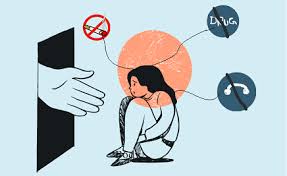
Addiction is not just a habit or a bad choice—it is a complex psychological trap that slowly takes control over the mind, emotions, and behavior.
People often believe addiction happens because someone is weak or irresponsible, but modern research has proven that addiction is rooted deep within the brain’s psychology and emotional system.
In this blog, we’ll explore:
How addiction begins in the mind
The psychological stages of addiction
Why people continue addictive behaviors
How dopamine and reward mechanisms work
Emotional factors that make addiction stronger
And how psychological treatment helps break the cycle
This is one of the most important topics for understanding addiction and recovery.
What Is Addiction from a Psychological Perspective?
Psychologically, addiction is:
A compulsive behavior
Driven by strong cravings
Continued despite negative consequences
Powered by dysfunctional thinking patterns
And reinforced by emotional pain
It is a disease that hijacks the brain’s reward system and slowly changes how a person thinks, feels, and behaves.
How Addiction Starts in the Mind
Addiction usually starts with one of these triggers:
Stress relief
Curiosity
Peer pressure
Emotional pain
Trauma
Desire for pleasure
Escape from reality
At first, the person believes they are “in control.”
But the brain slowly becomes dependent on the emotional relief that the substance or behavior provides.
The Three Stages of Addiction Psychology
1. Emotional Stage
Before addiction starts, the person experiences:
Stress
Anxiety
Depression
Fear
Anger
Loneliness
Addiction becomes a way to escape these emotions.
2. Mental Stage
The mind begins thinking:
“It makes me feel better.”
“I need this to relax.”
“Just once won’t hurt.”
“I can stop anytime.”
These thoughts take the person closer to addiction.
3. Behavioral Stage
The person begins:
Repeating the addictive behavior
Losing control
Ignoring responsibilities
Hiding the habit
Feeling guilty but continuing
This is where addiction becomes dangerous.
Why the Brain Gets Addicted — The Dopamine Trap
Dopamine is the brain’s pleasure chemical.
Every time a person uses drugs, alcohol, nicotine, or even social media, dopamine spikes unnaturally high.
The brain learns:
“This feels good.”
“I want more.”
“I cannot live without it.”
Over time:
Natural pleasure reduces
Motivation decreases
Enjoyment from normal activities disappears
This is called dopamine hijacking—the foundation of psychological addiction.
Why People Cannot Stop Even When They Want To
There are six major psychological reasons:
1. Craving and Withdrawal
The brain seeks relief from anxiety, boredom, or stress.
2. Habit Loop Formation
Cue → Craving → Use → Relief
This loop becomes automatic.
3. Emotional Dependence
The person feels unable to handle life without the substance.
4. Cognitive Distortions
These are false beliefs such as:
“Everyone does it.”
“I deserve this.”
“Life is meaningless without it.”
5. Social Influence
Environment plays a major role.
6. Fear of Facing Reality Without Addiction
Addiction becomes an escape from responsibilities and emotions.
The Emotional Roots of Addiction
Most addictions come from emotional pain, such as:
Childhood trauma
Neglect
Rejection
Relationship breakups
Family conflict
Loneliness
Anxiety
Depression
Addiction becomes an emotional bandage—temporary relief that turns into long-term destruction.
How Thinking Patterns Change During Addiction
Addicted individuals often develop destructive thinking patterns:
Denial — “I’m fine.”
Minimizing — “It’s not a big deal.”
Blaming — “Everyone stresses me out.”
Justifying — “I need it to calm down.”
Victim mindset — “My life is already ruined.”
These thoughts protect the addiction and make recovery difficult.
How Behavior Changes During Addiction
Psychologists observe major behavioral shifts:
Lying
Hiding usage
Becoming aggressive or withdrawn
Avoiding family
Ignoring responsibilities
Risk-taking behaviors
Spending excessively
Over time, addiction becomes the center of the person’s life.
Psychological Effects of Addiction
Addiction destroys mental health:
Anxiety
Depression
Insecurity
Paranoia
Anger issues
Low confidence
Memory problems
Poor impulse control
This makes the person even more dependent on the addictive substance.
Why Emotional Healing Is Important in Recovery
No matter how strong detox is,
if emotional wounds are not healed, relapse is guaranteed.
This is why psychological treatment is essential.
Psychological Treatments Used in Addiction Recovery
1. Cognitive Behavioural Therapy (CBT)
Teaches:
New thinking patterns
How to fight cravings
How to avoid negative thoughts
2. Motivational Therapy (MET)
Builds inner motivation to stay sober.
3. Trauma Healing Therapy
Helps recover from emotional wounds.
4. Behavioural Therapy
Develops new, healthy habits.
5. Mindfulness & Meditation
Reduces stress and stabilizes emotions.
6. Family Therapy
Strengthens support systems.
How Counseling Breaks the Psychological Trap
Counseling helps:
Identify triggers
Replace negative thoughts
Develop confidence
Learn stress management
Build emotional resilience
It teaches the mind how to live without dependency.
Can the Mind Fully Recover from Addiction?
Yes — with consistent psychological treatment, the brain can:
Rebuild healthy pathways
Lower cravings
Restore dopamine balance
Improve emotional strength
Recovery is 100% possible with the right approach.
Final Thoughts
Addiction is not a moral failure.
It is a psychological trap that takes over the brain, emotions, and behavior.
But with awareness, therapy, and support, the mind can break free and rebuild itself.
Understanding the psychology behind addiction is the first and most important step toward healing.
Anyone—yes, anyone—can recover and live a healthy, meaningful, addiction-free life.


Leave A Comment