

Introduction
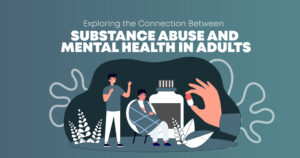
Addiction and mental health are deeply intertwined. Many people who battle substance abuse are also struggling with anxiety, depression, trauma, or other psychological disorders. This overlap — known as a dual diagnosis or co-occurring disorder — is one of the most challenging issues in rehabilitation and recovery.
In India, and especially in urban centers like Nagpur, the rising stress of modern life, unemployment, and social isolation have led to increasing cases of both mental health issues and substance abuse. Understanding this connection is crucial — because unless both problems are treated together, lasting recovery is almost impossible.
This blog explores the deep connection between mental health and addiction, why they often occur together, and how rehabilitation centers and Nasha Mukti Kendras play a vital role in breaking this dual struggle.
1. The Deep Link Between Mental Health and Addiction
The relationship between mental health disorders and substance abuse is often bidirectional — meaning one can cause or worsen the other.
a) Self-Medication Theory
Many people use drugs or alcohol to escape emotional pain. Someone dealing with depression may drink to “feel better,” or a person with anxiety might take drugs to calm their nerves. This short-term relief, however, soon becomes dependency.
b) Brain Chemistry and Imbalance
Both mental illness and addiction affect the brain’s neurotransmitters — particularly dopamine, serotonin, and norepinephrine. Continuous substance use disrupts this balance further, leading to worsening mental health symptoms.
c) Stress and Trauma
Childhood trauma, loss, abuse, or prolonged stress can damage a person’s emotional stability. In such cases, people often turn to drugs as a coping mechanism, which triggers addiction and further emotional imbalance.
d) Genetic and Environmental Factors
A family history of addiction or mental illness increases vulnerability. Likewise, living in environments with high stress or exposure to substance use also plays a major role.
2. Common Mental Health Disorders Linked to Addiction
Addiction rarely exists in isolation. The following mental health disorders are most commonly seen alongside substance abuse:
Depression: Chronic sadness, fatigue, and hopelessness often lead individuals to use alcohol or drugs for temporary comfort.
Anxiety Disorders: People use substances like sedatives or marijuana to calm panic or stress.
Bipolar Disorder: Individuals in manic or depressive episodes may use substances impulsively.
Post-Traumatic Stress Disorder (PTSD): Traumatic experiences can trigger both flashbacks and substance use as a coping mechanism.
Schizophrenia: Some patients misuse drugs to silence hallucinations or intrusive thoughts.
These conditions can mask or worsen one another, making diagnosis and treatment complex.
3. The Dual Diagnosis Challenge
Dual diagnosis is a medical term used when a person experiences both a mental health disorder and a substance use disorder simultaneously. Treating one without addressing the other is rarely effective.
For example:
Treating only addiction may not resolve the underlying depression or trauma, leading to relapse.
Focusing only on mental health might fail if substance use continues to affect mood and cognition.
This is why rehabilitation centers in Nagpur and across India are now adopting integrated treatment approaches, where both issues are treated together through medical, psychological, and social interventions.
4. How Substance Abuse Affects Mental Health
Substance abuse can trigger, worsen, or mimic mental health symptoms.
Here’s how addiction damages the mind:
Alters Brain Function: Long-term drug or alcohol use changes brain chemistry, reducing natural happiness and reward mechanisms.
Increases Anxiety and Paranoia: Certain drugs (like cocaine, LSD, or cannabis) can intensify anxiety or trigger paranoia.
Leads to Isolation: Addiction often leads to withdrawal from friends and family, increasing loneliness and depression.
Destroys Self-Esteem: Guilt, failure, and social stigma reduce self-worth and motivation to recover.
Causes Sleep and Cognitive Problems: Lack of sleep, memory loss, and emotional instability worsen overall mental wellness.
The cycle becomes vicious — the more a person uses substances, the worse their mental health becomes, which then drives more substance use.
5. How Mental Illness Fuels Addiction
Just as addiction worsens mental health, mental illness can also lead to addiction:
People with untreated mental disorders may self-medicate using drugs or alcohol.
Mental health issues reduce judgment and impulse control, increasing risky behaviors.
Chronic stress and emotional pain push individuals toward temporary escape through substance use.
Those with social anxiety or trauma may find drugs as their “comfort zone.”
This cycle keeps spinning unless both sides are addressed simultaneously.
6. The Role of Rehabilitation Centers in Dual Recovery
Modern Nasha Mukti Kendras and Rehabilitation Centers provide specialized treatment for dual diagnosis patients. Their programs aim to heal both the mind and body.
a) Comprehensive Diagnosis
Trained psychiatrists and psychologists conduct detailed assessments to identify all underlying disorders — not just addiction symptoms.
b) Medical Detoxification
This step safely removes substances from the body while managing withdrawal under medical supervision.
c) Psychiatric Treatment
If depression, anxiety, or bipolar disorder is diagnosed, patients receive appropriate medication and therapy.
d) Counseling and Psychotherapy
Individual and group therapy sessions help patients understand the root cause of addiction. Cognitive Behavioral Therapy (CBT), Dialectical Behavior Therapy (DBT), and trauma-informed care are common approaches.
e) Yoga, Meditation & Mindfulness
These practices help restore emotional balance, reduce stress, and enhance focus — crucial for long-term mental health recovery.
f) Family Support
Rehabilitation centers also provide family counseling to rebuild trust, understanding, and communication.
7. Real-Life Inspired Stories of Recovery
Story 1: Anjali’s Escape from Depression and Alcohol
Anjali, a 35-year-old teacher, began drinking heavily after a painful divorce. What started as a coping mechanism soon turned into dependence. After joining a Nasha Mukti Kendra in Nagpur, doctors diagnosed her with clinical depression.
Through therapy, antidepressants, and meditation, Anjali slowly regained control. Today, she works as a volunteer counselor, helping women understand the importance of mental health care.
Story 2: Rohan’s Recovery from Anxiety and Drug Addiction
Rohan, a college student, suffered from severe anxiety and used marijuana to relax. Over time, his anxiety worsened, leading to academic failure and isolation. At rehab, he underwent dual diagnosis therapy and discovered mindfulness techniques.
Rohan now practices yoga daily and advocates for mental health awareness among students — showing that early help can save lives.
8. Why Treating Both Together Matters
Treating addiction without addressing mental illness often leads to relapse, because:
Unresolved emotional pain triggers cravings.
Stress or trauma can reignite addictive behaviors.
Lack of coping skills leaves individuals vulnerable.
Integrated dual recovery focuses on:
Healing emotional trauma.
Teaching coping mechanisms.
Providing social and family support.
Creating a balanced routine — sleep, exercise, diet, and therapy.
This combined approach ensures recovery that’s strong, stable, and long-lasting.
9. The Role of Family and Society in Dual Recovery
Family and community understanding are key to successful rehabilitation. People facing dual disorders often feel misunderstood or judged. Support from loved ones can make all the difference.
Ways to support:
Encourage open conversations about mental health.
Attend family counseling sessions.
Avoid blaming or shaming language.
Celebrate small milestones in recovery.
On a broader scale, society must work to reduce stigma around both addiction and mental illness. Awareness campaigns, workplace support, and mental health education can create a more compassionate environment.
10. Life After Dual Recovery: Maintaining Balance
Recovery doesn’t end at rehab. Aftercare programs help individuals maintain long-term mental and emotional stability.
Effective aftercare includes:
Regular therapy or counseling sessions.
Medication management under a psychiatrist.
Support groups (like Narcotics Anonymous or Depression Support Circles).
Healthy hobbies — reading, exercise, or meditation.
Staying away from toxic environments and triggers.
With consistent support and self-care, individuals can build fulfilling, addiction-free lives.
11. Breaking the Stigma Around Dual Diagnosis
Many people hesitate to seek help because of stigma. They fear being labeled “mad” or “addict.” This social judgment prevents countless individuals from receiving the help they need.
It’s time to change this narrative. Addiction and mental illness are medical conditions, not moral failures. Just as diabetes or heart disease needs treatment, so does the mind. Every person deserves compassion, not criticism.
Conclusion
The connection between mental health and substance abuse is undeniable — and deeply complex. Both feed into each other, creating a cycle of pain and dependence. But with the right awareness, treatment, and support, this cycle can be broken.
Rehabilitation centers and Nasha Mukti Kendras play a vital role in this transformation — offering integrated care that heals both the mind and body. Recovery isn’t about perfection; it’s about progress, courage, and hope.
If you or someone you know is struggling with addiction or mental health issues, reach out today. Healing begins the moment you decide you deserve peace — and every small step forward is a victory worth celebrating.



Leave A Comment