

Addiction takes a heavy toll on the body. Substance abuse — whether alcohol, drugs, or tobacco — drains essential nutrients, weakens organs, and disrupts the body’s natural healing ability. During recovery, the body and brain need the right nutrition to repair the damage, restore energy, and regain balance.
That’s why a balanced diet is not just supportive — it’s a crucial part of treatment in every Nasha Mukti Kendra (Rehabilitation Centre). Good nutrition strengthens the immune system, stabilizes mood, improves sleep, and helps the brain recover from long-term addiction effects.
This blog explains the importance of diet in recovery and how proper nutrition can accelerate the journey to a healthy, addiction-free life.
How Addiction Affects the Body Nutritionally
Addiction damages the body in several ways:
| Type of Addiction | Nutritional Impact |
|---|---|
| Alcohol | Causes vitamin B deficiency, weak liver, dehydration |
| Drugs (Opioids, Cocaine, etc.) | Reduces appetite, weakens digestion |
| Nicotine | Increases metabolism, causes vitamin C deficiency |
| Marijuana | Affects motivation and appetite control |
| Prescription Drugs | Disrupts blood sugar balance and nutrient absorption |
Over time, these lead to:
Fatigue and weakness
Poor digestion
Insomnia
Skin and hair problems
Depression and anxiety
The right diet helps the body rebuild from the inside.
Why Nutrition Is Important in Addiction Recovery
1. Restores Physical Health
A nutrient-rich diet repairs tissues, muscles, and organs damaged by substance abuse.
It helps:
Strengthen the liver and heart
Improve metabolism
Boost immune function
Maintain healthy body weight
2. Improves Brain Function
Addiction affects neurotransmitters like dopamine and serotonin — responsible for happiness and focus.
The right nutrients help restore these chemicals naturally.
For example:
Omega-3 fatty acids (fish, walnuts) improve brain health
Amino acids (protein foods) rebuild neurotransmitters
Vitamin B-complex supports nerve function
A nourished brain = stable mood and strong willpower.
3. Reduces Cravings and Mood Swings
Unstable blood sugar and poor nutrition increase irritability and cravings.
Eating regular, balanced meals helps:
Stabilize blood sugar
Reduce anxiety
Control mood changes
When the body feels balanced, mental stability follows.
4. Supports Detoxification
Food rich in antioxidants, fiber, and hydration helps remove toxins faster.
It supports the detox process safely and naturally.
5. Strengthens Emotional Stability
Nutrients like magnesium, zinc, and vitamin D play a vital role in emotional health.
Deficiency can worsen depression or anxiety during recovery.
A healthy diet boosts positivity and mental calmness.
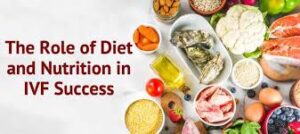
Key Nutrients for Addiction Recovery
| Nutrient | Importance | Sources |
|---|---|---|
| Protein | Rebuilds muscles and brain cells | Eggs, fish, beans, lentils |
| Complex Carbohydrates | Provides steady energy | Brown rice, oats, sweet potatoes |
| Healthy Fats | Supports brain health | Nuts, seeds, olive oil |
| Vitamins B1, B6, B12 | Restores nerve function | Whole grains, eggs, milk |
| Vitamin C | Detoxifies and boosts immunity | Citrus fruits, amla, guava |
| Magnesium & Zinc | Reduces stress, improves sleep | Pumpkin seeds, spinach |
| Fiber | Cleanses the body | Fruits, vegetables, oats |
| Water | Flushes toxins | 8–10 glasses per day |
Each nutrient contributes to body repair, mood stability, and mental focus.
Healthy Diet Plan for Recovery (Sample Routine)
Morning
Warm water with lemon (detox)
Oatmeal or poha with fruits
Herbal tea or milk
Mid-Morning Snack
Fresh fruit or nuts
Lunch
Brown rice or chapati
Dal / lentils
Cooked vegetables
Salad and yogurt
Evening Snack
Coconut water or soup
Sprouts or roasted chickpeas
Dinner
Light khichdi or grilled vegetables
Herbal tea before bed
This simple, Indian-style meal plan is rich in fiber, protein, and vitamins, ideal for recovery.
Foods to Avoid During Recovery
| Avoid | Reason |
|---|---|
| Caffeine (coffee, energy drinks) | Increases anxiety and insomnia |
| Sugary foods and desserts | Causes mood crashes and weight gain |
| Fried & oily food | Slows detox process |
| Processed food (chips, fast food) | Low in nutrients, high in salt |
| Alcohol or fermented products | Can trigger relapse or cravings |
Avoiding these helps the body detoxify faster and keeps the mind calm.
The Role of Nasha Mukti Kendra in Nutrition Management
Rehabilitation centers focus on holistic healing, which includes physical, mental, and nutritional recovery.
1. Personalized Diet Plans
Nutritionists assess each patient’s needs and design a custom meal plan based on health condition and addiction type.
2. Detox-Supportive Meals
Meals rich in antioxidants, green vegetables, and herbal drinks help cleanse the liver and blood.
3. Regular Meal Timing
Centers maintain strict routines to balance metabolism and reduce emotional eating.
4. Supplement Support
If necessary, multivitamins or natural supplements are provided to fill deficiencies.
5. Education on Nutrition
Patients are educated on how to maintain a balanced diet after leaving rehab to continue a healthy lifestyle.
Connection Between Food and Emotional Health
Nutrition directly affects mood and behavior. For instance:
Low blood sugar → Irritability
Low iron or B vitamins → Depression and fatigue
Dehydration → Confusion and stress
Eating right helps stabilize emotions — making it easier to avoid relapse.
Combining Diet with Yoga and Counseling
The body and mind heal best when:
Nutrition rebuilds energy
Yoga improves physical balance
Counseling strengthens emotional awareness
Together, they form the foundation of complete recovery.
Conclusion
Recovery is not just about quitting addiction — it’s about nourishing the body, mind, and soul.
A proper diet helps:
✅ Detoxify the body
✅ Restore brain balance
✅ Reduce cravings
✅ Improve emotional control
✅ Build long-term health
At a Nasha Mukti Kendra, nutrition is a key part of the healing journey, helping individuals regain strength, confidence, and peace.
Because when you feed the body right,
you also heal the mind and heart.



Leave A Comment