

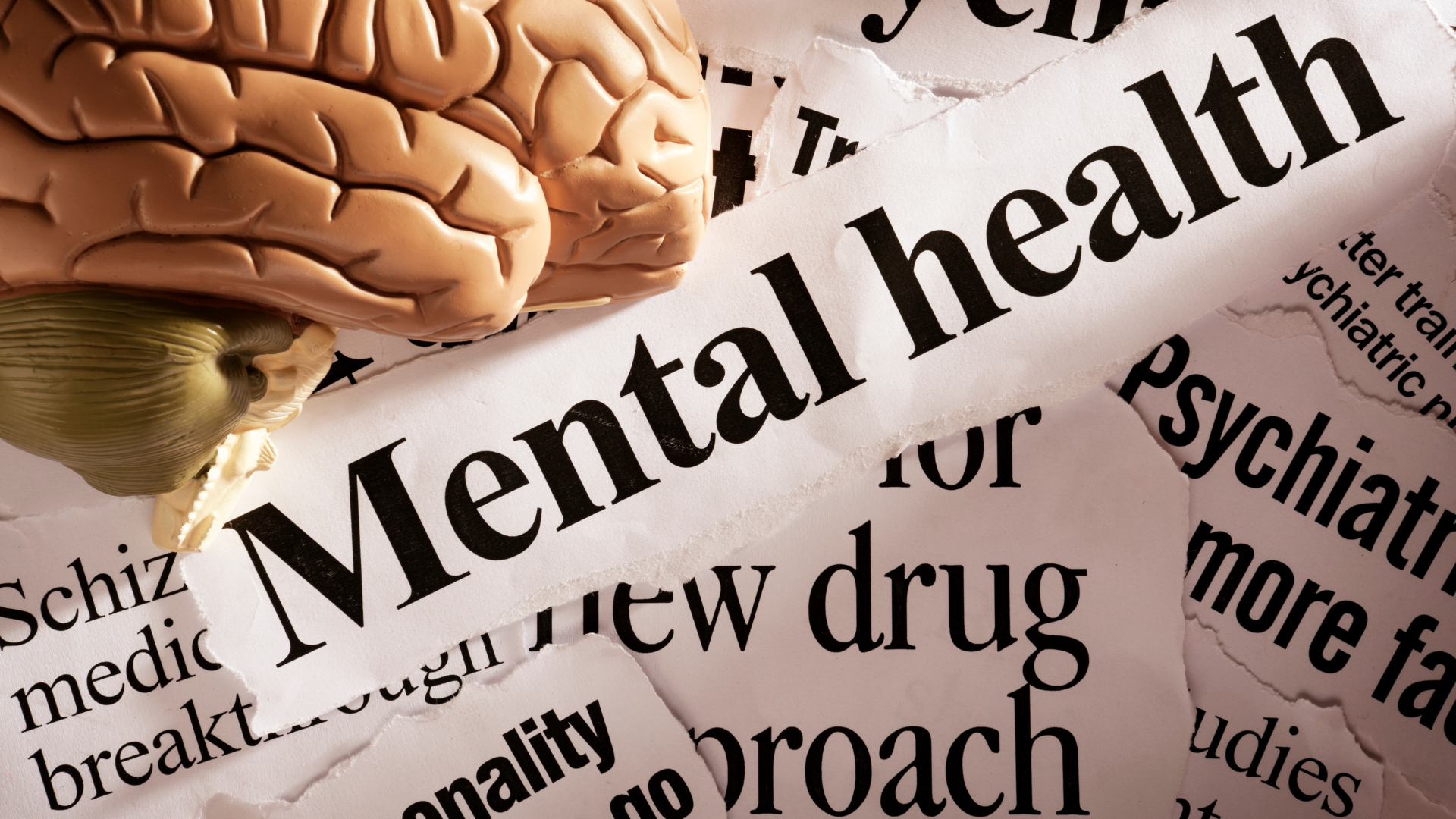
Substance abuse and mental health are closely connected, yet this relationship is often misunderstood or ignored. Many people believe addiction is only about bad habits or weak willpower, but in reality, mental health plays a powerful role in the development, progression, and recovery from addiction. Understanding this deep connection is essential for effective treatment and long-term recovery.
This blog explores how mental health and substance abuse influence each other, why both must be treated together, and how integrated care improves recovery outcomes.
Understanding Mental Health and Substance Abuse
Mental health refers to emotional, psychological, and social well-being. It affects how people think, feel, and act in daily life. Substance abuse occurs when alcohol or drugs are used in a way that harms physical health, mental stability, relationships, and responsibilities.
When mental health issues and substance abuse occur together, it is known as co-occurring disorders or dual diagnosis. Treating one without addressing the other often leads to relapse.
How Mental Health Issues Lead to Substance Abuse
Many individuals turn to substances as a way to cope with emotional pain.
Self-Medication Behavior
People struggling with mental health challenges may use substances to:
Reduce anxiety
Escape sadness
Numb emotional pain
Improve sleep
Boost confidence temporarily
While substances may offer short-term relief, they worsen mental health over time and create dependency.
Common Mental Health Conditions Linked to Addiction
Certain mental health conditions increase the risk of substance abuse.
Depression
Individuals may use alcohol or drugs to escape feelings of hopelessness, loneliness, or emotional emptiness.
Anxiety Disorders
Substances are often used to calm nerves or reduce social fear, leading to psychological dependence.
Trauma and Post-Traumatic Stress
Unresolved trauma can drive individuals toward substances as a coping mechanism.
Stress and Burnout
Chronic stress can push people toward substance use for temporary relief.
How Substance Abuse Worsens Mental Health
Substance abuse does not solve mental health problems. Instead, it intensifies them.
Chemical Impact on the Brain
Drugs and alcohol:
Disrupt brain chemistry
Affect mood regulation
Reduce emotional stability
Increase impulsive behavior
This leads to worsening mental health symptoms.
Emotional Consequences of Substance Abuse
Long-term substance abuse often results in:
Increased anxiety
Deepened depression
Emotional numbness
Paranoia
Mood swings
Over time, individuals may feel trapped in a cycle of substance use and emotional pain.
The Vicious Cycle of Mental Health and Addiction
Mental health issues and addiction feed into each other.
Emotional distress begins
Substance use provides temporary relief
Dependency develops
Mental health deteriorates further
Substance use increases
Breaking this cycle requires professional intervention addressing both conditions simultaneously.
Signs of Co-Occurring Mental Health and Substance Abuse
Recognizing dual issues is critical for proper treatment.
Common signs include:
Extreme mood swings
Withdrawal from social life
Loss of interest in activities
Changes in sleep or appetite
Increased irritability
Difficulty concentrating
Persistent sadness or fear
Ignoring these signs can delay effective treatment.
Why Treating Only Addiction Is Not Enough
Many individuals relapse because underlying mental health issues remain untreated.
Risks of Ignoring Mental Health
Higher relapse rates
Emotional instability
Increased cravings
Poor stress management
Recovery becomes fragile without emotional healing.
Importance of Integrated Treatment Approach
Integrated treatment addresses both mental health and addiction together.
Key components include:
Psychological counseling
Emotional regulation techniques
Behavioral therapy
Stress management strategies
Lifestyle restructuring
This holistic approach strengthens recovery.
Role of Counseling and Therapy
Therapy helps individuals:
Understand emotional triggers
Develop coping strategies
Process trauma
Build self-awareness
Improve emotional control
Therapy is not about judgment but healing.
Role of Nasha Mukti Kendra in Dual Recovery
Nasha Mukti Kendras play a vital role by:
Identifying mental health conditions
Providing emotional counseling
Offering structured routines
Teaching stress management
Supporting long-term emotional recovery
Professional care ensures safety and stability.
Family’s Role in Supporting Mental Health Recovery
Family support is essential for emotional healing.
Families can help by:
Creating a supportive environment
Avoiding judgment and blame
Encouraging therapy
Being patient with emotional changes
Understanding mental health reduces conflict and stress.
Breaking the Stigma Around Mental Health and Addiction
Social stigma often prevents individuals from seeking help.
Common misconceptions:
Mental health issues are weakness
Addiction is a choice
Therapy is unnecessary
Breaking stigma encourages early treatment and recovery.
Emotional Healing Is a Gradual Process
Mental health recovery does not happen overnight.
It involves:
Self-awareness
Emotional acceptance
Healthy coping skills
Consistent support
Patience and persistence are key.
Long-Term Recovery Requires Mental Strength
Sobriety alone is not recovery. True recovery includes:
Emotional balance
Stress resilience
Healthy relationships
Positive self-identity
Mental strength protects against relapse.
Importance of Lifestyle Changes
Healthy lifestyle supports mental well-being:
Regular exercise
Balanced nutrition
Proper sleep
Mindfulness practices
Small changes create lasting stability.
Prevention Through Mental Health Awareness
Early mental health support reduces addiction risk.
Prevention strategies include:
Emotional education
Open communication
Stress management skills
Early counseling
Awareness saves lives.
Recovery Is Possible With the Right Support
People struggling with mental health and addiction often feel hopeless. However, with professional help, emotional support, and structured treatment, recovery is achievable.
Healing both mind and body leads to:
Improved quality of life
Stronger relationships
Renewed purpose
Long-term sobriety
Conclusion
Mental health and substance abuse are deeply interconnected and cannot be treated separately. Ignoring emotional pain often leads to addiction, while substance abuse worsens mental health struggles.
Effective recovery requires addressing both conditions together through professional care, emotional support, and lifestyle changes. When mental health is prioritized alongside addiction treatment, individuals gain the strength, clarity, and resilience needed for a healthier, addiction-free life.




Leave A Comment