

Introduction
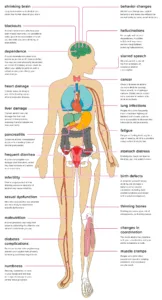
People often talk about the short-term effects of alcohol — hangovers, headaches, loss of control, or temporary mood changes. But the real danger lies in the long-term effects of alcohol abuse, which silently damage the body, mind, relationships, career, and overall quality of life.
These long-term effects are rarely discussed openly because:
They develop slowly
Symptoms are often ignored
People think “it won’t happen to me”
Addiction creates denial
Families try to hide the issue
But awareness is the first step to prevention.
This in-depth blog will reveal the long-term physical, mental, emotional, social, and financial consequences of alcohol abuse that most people never talk about, along with ways to identify them early and protect yourself or a loved one.
What Is Long-Term Alcohol Abuse?
Long-term alcohol abuse refers to:
Drinking regularly for months or years
Drinking in large quantities
Drinking more than 3–4 pegs daily
Experiencing cravings
Feeling irritated without alcohol
Losing control of consumption
Using alcohol for emotional relief
The effects build slowly — but by the time they appear clearly, the damage is often serious.
1. Permanent Brain Damage (Neurotoxicity)
Long-term alcohol abuse damages brain cells and reduces brain size. This leads to:
a. Memory loss
Forgetting daily tasks, conversations, and important events.
b. Poor decision-making
Trouble solving problems or thinking clearly.
c. Slow reaction time
Difficulty focusing or responding quickly.
d. Emotional imbalance
Anger, irritation, mood swings.
e. Alcohol-induced dementia
Symptoms similar to Alzheimer’s.
This is one of the most dangerous effects — often ignored until it’s too late.
2. Liver Damage & Failure
The liver is the first organ to be harmed by alcohol.
Long-term effects include:
a. Fatty Liver
Early-stage but reversible.
b. Hepatitis
Liver inflammation causing pain, weakness, and fever.
c. Cirrhosis
Permanent scarring of the liver.
Not reversible and often fatal.
d. Liver Failure
Requires transplant; very few survive.
Many chronic drinkers do not realise they have liver problems until symptoms become severe.
3. Permanent Stomach & Digestive Issues
Alcohol weakens the digestive system.
Long-term effects:
Acidity
Ulcers
Vomiting blood
Nutrient deficiency
Weak immunity
Inflammation of the intestines
Poor absorption of vitamins
This leads to overall weakness and fatigue.
4. Heart & Blood Pressure Damage
Alcohol affects heart health more than most people realise.
Long-term effects:
a. High blood pressure
Increases risk of stroke.
b. Weak heart muscles (Cardiomyopathy)
Heart cannot pump blood properly.
c. Irregular heartbeat
d. Stroke
Due to blood clots or vessel damage.
Alcohol-related heart issues can be fatal if not controlled early.
5. Pancreas Damage (Silent but Deadly)
The pancreas helps in digestion and regulates blood sugar.
Alcohol damages it over time causing:
Pancreatitis
Severe stomach pain
Diabetes
Digestive weakness
Pancreatitis can be life-threatening and extremely painful.
6. Hormonal Imbalance
Alcohol disrupts hormone production, especially:
Testosterone
Estrogen
Cortisol (stress hormone)
Insulin
In men:
Low sexual desire
Erectile issues
Low testosterone
Infertility
In women:
Irregular periods
Early menopause
Increased PCOD/PCOS symptoms
Infertility
Hormonal imbalance deeply affects emotional and physical health.
7. Permanent Sleep Disorders
Long-term drinkers lose natural sleep rhythm.
Effects:
Insomnia
Light sleep
Nightmares
Early waking
Frequent interruptions
Poor sleep destroys brain function, immunity, and mood.
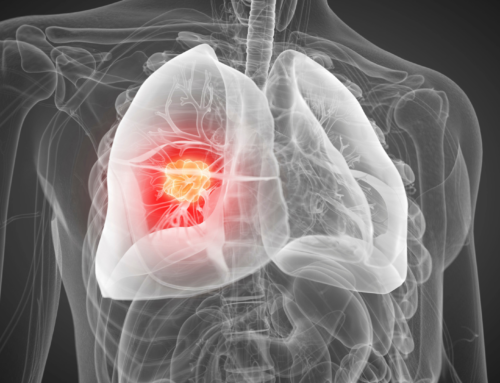
8. Increased Risk of Cancer
Long-term alcohol abuse is linked to cancers of:
Liver
Mouth
Throat
Esophagus
Breast
Pancreas
This happens due to toxic chemical acetaldehyde, which harms DNA.
9. Weak Immune System
Alcohol weakens immunity, causing:
Frequent colds
Slow healing
High infection risk
Poor body defense
Even minor illnesses become worse.
10. Nerve Damage (Neuropathy)
Alcohol damages nerves leading to:
Tingling
Burning sensation
Loss of feeling in feet and hands
Muscle weakness
Nerve damage is often permanent.
11. Mental Illness & Emotional Issues
Alcohol changes brain chemistry long-term, causing:
Anxiety
Depression
Panic attacks
Suicidal thoughts
Loss of motivation
Anger issues
Loneliness
Mood swings
Drinking may begin for relief, but eventually becomes the cause of emotional suffering.
12. Damage to Relationships
Long-term alcohol abuse harms:
Family
Arguments
Distrust
Emotional distance
Marriage
Broken trust
Lack of communication
Domestic conflicts
Children
Trauma
Insecurity
Fear
Lack of stability
Alcohol slowly destroys relationships without people noticing until they become distant.
13. Career & Financial Damage
Alcohol affects:
Work performance
Punctuality
Decision-making
Focus
Productivity
This leads to:
Job loss
Poor reputation
Missed promotions
Financial problems
Debt
Many people end up spending huge amounts on alcohol without realising it.
14. Faster Aging
Alcohol accelerates aging due to dehydration, toxicity, and poor nutrient absorption.
Visible signs:
Wrinkles
Pale skin
Hair fall
Weakness
Early aging signs
Dark circles
The body becomes older much faster.
15. Social Isolation
Long-term drinkers often:
Avoid family programs
Stay alone
Keep distance from responsibilities
Prefer drinking over social gatherings
This leads to loneliness and emotional decline.
16. Loss of Confidence & Self-Respect
Alcohol affects the mind deeply.
Long-term emotional effects:
Feeling empty
Low confidence
Hopelessness
Loss of self-respect
Negative self-image
Many people feel trapped inside addiction.
17. Withdrawal Becomes Harder Over Time
The longer you drink, the harder it becomes to quit.
Withdrawal symptoms become intense:
Tremors
Sweating
Irritation
Anxiety
Insomnia
Nausea
Cravings
Long-term drinkers find it difficult to stay sober without support.
18. Alcoholic Personality Changes
Long-term drinking can change personality:
More angry
Less patient
Emotionally unstable
Negative thinking
Impulsive behaviour
These changes often go unnoticed until relationships break.
19. Loss of Life Goals & Ambition
Over time, alcohol becomes the center of life.
People lose interest in:
Work
Dreams
Hobbies
Learning
Growth
Life becomes routine and directionless.
20. Increased Risk of Early Death
Long-term alcohol abuse is linked to:
Liver disease
Heart attack
Stroke
Cancer
Brain damage
Accidents
Suicides
Thousands die every year due to alcohol-related conditions.
Can These Long-Term Effects Be Reversed?
YES — but only if you stop drinking early.
Reversible:
Fatty liver
Mood issues
Sleep problems
Digestive issues
Brain clarity
Energy levels
Early hormonal issues
Hard to reverse:
Cirrhosis
Nerve damage
Pancreatitis
Cancer
Dementia
Stopping alcohol early gives the best chance of recovery.
How to Protect Yourself From Long-Term Damage
✔ Quit alcohol slowly or immediately
✔ Use herbal de-addiction support
✔ Improve diet and hydration
✔ Get regular health tests
✔ Exercise daily
✔ Protect mental health
✔ Build emotional support
✔ Avoid triggers
Your health, family, and future depend on your choices today.
Conclusion
Long-term alcohol abuse is far more dangerous than people realise. It affects every part of life — health, emotions, relationships, career, and lifespan.
But the power to change lies inside you.
One decision today can save your future.
Alcohol may give temporary comfort,
but it steals your health, happiness, and life in the long run.
Choose freedom.
Choose health.
Choose your future.

Leave A Comment