

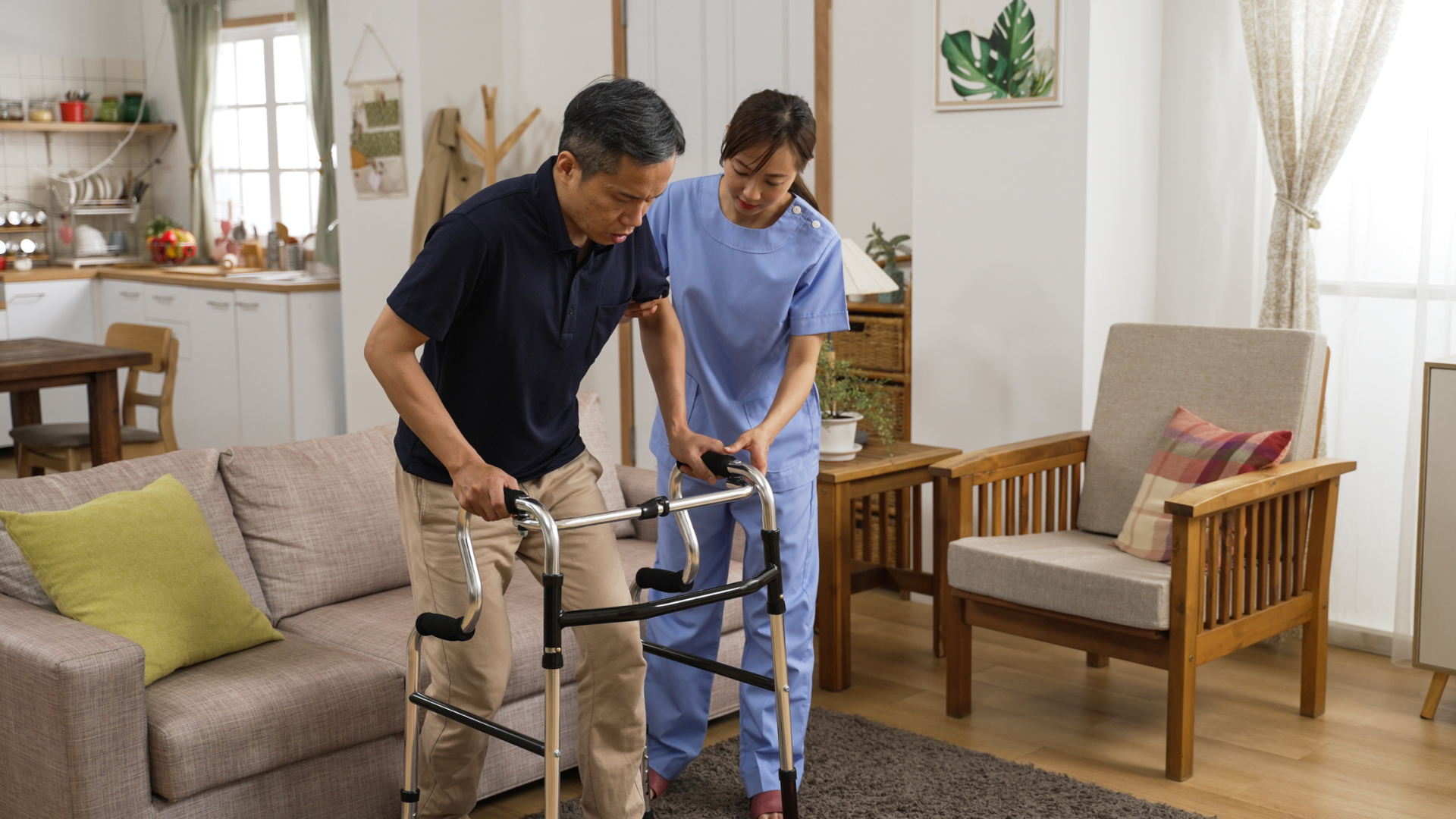
Completing treatment at a Nasha Mukti Kendra is a big achievement. It shows courage, strength, and the desire to live a better life. But many people misunderstand one thing — rehab is not the end of recovery, it is the beginning.
Life after rehab is a new phase. It comes with hope, but also with challenges. Staying addiction-free outside the controlled environment of a rehab center requires discipline, support, and awareness.
In this blog, we will explain in a simple and normal way how life after rehab looks, what challenges people face, and how to stay addiction-free for the long term.
Understanding Life After Rehab
Inside a rehab center, life is structured:
Fixed routine
No access to alcohol or drugs
Regular counseling
Support from staff and peers
Outside rehab, life is different:
Old environment
Old stress
Old people and triggers
This change can be difficult, which is why aftercare and self-control are very important.
The First Few Weeks After Rehab Are Critical
The first few weeks after leaving rehab are the most sensitive.
During this time, a person may:
Feel confident but emotionally weak
Face strong cravings
Feel lonely or confused
Miss the safety of the rehab environment
Families and patients should take this phase very seriously.
Importance of Aftercare Programs
Aftercare is continued support after rehab.
Aftercare may include:
Follow-up counseling
Support group meetings
Phone check-ins with counselors
Family guidance sessions
People who follow aftercare plans have much lower chances of relapse.
Building a Healthy Daily Routine
Routine brings stability and discipline.
A good daily routine should include:
Fixed wake-up and sleep time
Regular meals
Work or study schedule
Time for exercise and relaxation
An empty or unplanned day increases the risk of relapse.
Staying Away From Triggers
Triggers are situations, people, or emotions that increase the urge to use substances.
Common triggers:
Old friends who use alcohol or drugs
Stressful situations
Celebrations with alcohol
Loneliness or boredom
The best strategy is avoidance, especially in the early months.
Changing Friend Circle and Social Life
One of the hardest but most important steps is changing the social circle.
Old friends linked to addiction can:
Pressure you to use again
Bring back old habits
Increase temptation
New, positive friendships support recovery.
Role of Family Support After Rehab
Family support becomes even more important after rehab.
Families can help by:
Creating a peaceful home environment
Avoiding arguments and taunts
Encouraging counseling sessions
Appreciating small improvements
Negative behavior from family can push a person back toward addiction.
Handling Cravings the Right Way
Cravings are normal, especially in the early stages.
Healthy ways to manage cravings:
Deep breathing
Calling a support person
Going for a walk
Distracting the mind with activity
Cravings pass if handled correctly.
Importance of Counseling and Therapy
Many people stop counseling after rehab, which is a mistake.
Continued counseling helps:
Manage stress
Understand emotions
Strengthen decision-making
Prevent relapse
Mental healing takes time.
Taking Care of Mental Health
Addiction often hides deeper mental issues like:
Depression
Anxiety
Trauma
Low self-esteem
Ignoring mental health can lead to relapse. Seeking help is strength, not weakness.
Developing Healthy Hobbies and Interests
Free time can become dangerous if not used positively.
Healthy activities include:
Exercise or yoga
Music or art
Reading
Learning new skills
These activities give joy without substances.
Managing Stress Without Substances
Stress is one of the biggest reasons for relapse.
Healthy stress management methods:
Meditation
Physical activity
Talking openly
Time management
Learning stress control is key to staying addiction-free.
Avoiding Overconfidence
Some people think:
“I am cured now. One time won’t hurt.”
This thinking is dangerous.
Recovery requires:
Humility
Self-awareness
Continuous effort
Addiction can return if ignored.
Dealing With Social Pressure
Society often encourages alcohol use.
How to handle pressure:
Say “no” clearly
Leave uncomfortable situations
Keep distance from unsafe places
Protecting recovery is more important than pleasing others.
Importance of Self-Discipline
Self-discipline builds confidence and control.
Ways to improve discipline:
Follow routine
Set small goals
Stay consistent
Discipline replaces addiction habits with healthy ones.
Handling Relapse Warning Signs
Relapse does not happen suddenly.
Early warning signs:
Skipping counseling
Meeting old friends
Emotional instability
Romanticizing past addiction
Recognizing signs early can prevent relapse.
What to Do If Relapse Happens
Relapse is not the end.
If it happens:
Do not hide it
Seek help immediately
Restart counseling
Learn from the mistake
Many people recover after relapse with proper support.
Role of Support Groups
Support groups connect people with similar experiences.
Benefits:
Feeling understood
Learning coping strategies
Motivation from others’ recovery stories
You are not alone in recovery.
Setting Long-Term Life Goals
Recovery is not just about quitting addiction.
It is about:
Building career
Improving relationships
Finding purpose
Living with dignity
Goals give direction to life.
Physical Health After Rehab
Addiction damages the body.
Focus on:
Healthy diet
Regular exercise
Medical check-ups
Proper sleep
Physical health supports mental strength.
Staying Connected With Rehab Center
Many centers offer long-term guidance.
Staying connected helps:
Get advice during difficult times
Stay motivated
Feel supported
Never hesitate to ask for help.
Why Life After Rehab Is a Journey
Recovery is not a destination.
It is:
A daily choice
A continuous effort
A lifestyle change
Each day addiction-free is a success.
Message for Families
Families should:
Stay patient
Encourage progress
Avoid unrealistic expectations
Healing takes time.
Message for Recovering Individuals
You are not weak.
You are not broken.
You are rebuilding your life.
Take one day at a time.
Conclusion
Life after rehab is full of opportunities, but also responsibilities. Staying addiction-free requires awareness, discipline, family support, and continued care. Rehab gives a second chance, but how you live after rehab decides long-term success.
With the right mindset and support, a healthy, addiction-free life is not only possible — it is achievable and meaningful.


Leave A Comment