

Addiction is no longer just a personal battle — it has become a global health challenge affecting millions of families. Whether it’s drugs, alcohol, gaming, nicotine, or digital addiction, the struggle is deeply emotional, psychological, and often social. Traditionally, treatment for addiction relied heavily on counselling, residential rehabilitation centres, and support groups. These methods still play a major role, but in the modern world, technology is transforming the way recovery happens, making it faster, more effective, and more personalized.
From AI-powered support systems to mobile health apps, wearable devices, virtual therapy, and digital detox programs, technology is now one of the strongest tools in the battle against addiction. For many Nasha Mukti Kendras, integrating technology has improved treatment accuracy, enhanced monitoring, and helped clients build healthier habits even after completing rehab.
This blog explores how technology is helping individuals quit addiction and how Nasha Mukti Kendras can adopt these innovative methods to improve recovery outcomes.
1. AI: The Smartest Weapon Against Addiction
Artificial Intelligence (AI) has brought a revolution in healthcare, and addiction treatment is no exception.
1.1 AI Can Predict Relapse
Relapse is one of the biggest challenges in addiction recovery. AI systems can analyse:
Patient behaviour
Stress levels
Sleep patterns
Emotional triggers
Past usage history
Mood changes via voice or text
These systems detect early warning signs and alert counsellors or family members before relapse happens.
For example:
AI-powered apps can monitor the user’s messaging tone, typing speed, screen activity, and call patterns to predict emotional distress. If the system detects anxiety, cravings, or depressive patterns, it immediately sends a relapse alert.
1.2 AI Chatbots for 24×7 Support
Not everyone can speak to a therapist at 2 AM when cravings strike. But AI chatbots are available anytime.
These chatbots can:
Provide instant emotional support
Suggest breathing or calming exercises
Offer motivational messages
Remind users of their commitments
Track their progress
For many people, AI becomes a “silent friend” who keeps them stable at their weakest moments.
1.3 AI-Based Therapy Customization
No two people have the same addiction history. AI can analyse thousands of data points to create a personalized recovery roadmap.
It adjusts:
Counselling style
Medication timing
Exercise routine
Daily habits
Sleep cycles
Mood patterns
Trigger management
This level of personalization was impossible a few years ago.
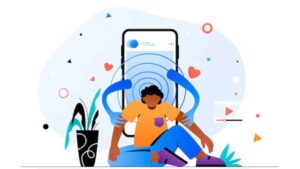
2. Mobile Apps: The New Digital Companion for Recovery
Smartphones are not just for social media — they are now powerful tools for addiction recovery.
Here are the ways apps are helping:
2.1 Habit Tracking & Daily Progress
Apps allow users to track:
Days sober
Mood changes
Craving frequency
Water intake
Exercise routines
Sleep data
Journaling
Seeing progress creates motivation and confidence.
2.2 Guided Meditation & Relaxation Tools
Stress is the biggest trigger for addiction. Apps now provide:
Deep breathing exercises
Meditation sessions
Mindfulness training
Stress-reduction audio
Positive affirmations
This reduces the emotional pressure that leads to relapse.
2.3 Virtual Support Groups
People recovering from addiction often feel isolated. Technology solves this.
Apps connect users to:
Peer support groups
Community forums
Expert counsellors
Group therapy sessions
It creates a safe social space where people can speak freely without judgment.
2.4 SOS Emergency Features
Most recovery apps offer an “Emergency Help” button.
When cravings feel uncontrollable, the user can press SOS and instantly:
Connect to a counsellor
Alert their closest contact
Get grounding exercises
Receive calming guidance
This prevents impulsive decisions during moments of weakness.
2.5 Rewards & Gamification
Apps use reward systems such as:
Badges
Streak points
Small achievements
Progress charts
These motivate users to stay committed and achieve long-term sobriety.
3. Wearable Devices: Tracking the Body to Protect the Mind
Wearables like fitness bands and smartwatches are playing a major role in addiction control.
3.1 Real-Time Health Monitoring
Wearables track:
Heart rate
Stress levels
Oxygen levels
Sleep quality
Body temperature
Physical activity
These metrics help doctors and counsellors understand the body’s reaction to withdrawal.
3.2 Automatic Stress Detection
When stress spikes, the wearable device sends:
Calm-down alerts
Breath-control reminders
Quick meditation suggestions
This real-time support lowers the chances of using substances to cope.
3.3 Sleep Monitoring
Addiction affects sleep quality drastically. Wearables identify:
Insomnia signs
Restlessness
Interrupted sleep
REM cycle problems
This helps therapists tailor sleep-management plans.
3.4 Geofencing Technology
Some advanced systems can track the user’s location.
If the person goes near:
Liquor shops
Bars
Old “use spots”
High-risk areas
Wearable devices send warnings or notify the counsellor/family.
This is extremely helpful for people in early recovery.
4. Virtual Counselling & Online Therapy
Technology has eliminated distance barriers. Now anyone can get therapy right from home, especially those who are shy or scared to visit a rehab physically.
4.1 Video Therapy
High-quality video sessions allow:
One-on-one counselling
Group therapy
Family therapy
Progress check-ups
It increases access to mental health support.
4.2 Anonymous Counselling
Many people don’t seek help because of social stigma.
Online sessions allow:
Full privacy
Anonymous participation
No fear of being judged
This encourages more people to start recovery early.
4.3 Virtual Reality Therapy (VR)
VR is the future of addiction treatment. VR creates immersive environments to help people:
Face their triggers safely
Practise self-control
Learn coping techniques
Reduce cravings through brain training
It rewires their triggers in a controlled, safe, virtual environment.
5. Digital Detox Tools: Managing Phone & Social Media Addiction
Today’s youth face digital addiction — social media, gaming, reels, and gambling apps.
Technology also provides solutions:
5.1 Screen Time Control
Apps allow:
App blocking
Usage limits
Night-time restrictions
Productivity timers
This helps reduce dopamine overload from screens.
5.2 Focus Mode Tools
Helps students stay away from:
Gaming
Reels
Social media
Gambling apps
This is one of the most powerful tools for preventing digital addiction.
5.3 Mindful Notifications
Apps reduce:
Unnecessary alerts
Stress-causing notifications
Late-night distractions
Digital calmness improves emotional stability.
6. Smart Sensors in Rehab Centres (Nasha Mukti Kendras)
Modern Nasha Mukti Kendras now use smart technology to improve success rates.
6.1 Behaviour Monitoring Systems
Sensors can detect:
Emotional distress
Restlessness
Physical agitation
Sleep disruptions
This helps staff respond faster.
6.2 Medication Management Tools
Digital reminders and automated systems ensure:
Medicines are taken on time
Withdrawal symptoms are controlled
Overdose risk is reduced
6.3 Electronic Health Records
All data is stored digitally, including:
Patient history
Therapy notes
Medical details
Daily progress
This makes treatment smoother and more professional.
7. Social Media Awareness & Online Campaigns
Technology is not only helping in treatment — it is preventing addiction through awareness.
7.1 Digital Campaigns
Facebook, Instagram, YouTube, and Google ads now run strong awareness messages on:
Dangers of drugs
Alcohol abuse
Youth addiction
Mental health importance
7.2 Influencer Awareness
Creators and celebrities play a major role in guiding youth towards healthier habits.
7.3 Digital Storytelling
Real-life recovery stories shared online inspire millions to seek help.
8. Future of Technology in Addiction Treatment
The next generation of recovery will be even more advanced. Expect:
✔ AI that can detect cravings before the individual notices
✔ Smart home devices that monitor emotional health
✔ Brain-computer interfaces that reduce cravings
✔ More powerful VR therapy centres
✔ Genetics-based personalized treatments
✔ Robots for therapy support
Rehab will become more accurate, more effective, and more humane.
Conclusion: Technology + Humanity = Strongest Path to Nasha Mukti
Technology can never replace human compassion, but it can assist, guide, prevent, support, and strengthen recovery like never before. When combined with traditional therapies, family support, and emotional counselling, technological tools create a powerful recovery system for individuals battling addiction.
For modern Nasha Mukti Kendras, adopting technology is no longer an option — it is the future.
And for people struggling with addiction, these tools bring hope, structure, and life-changing support.


Leave A Comment