

Stress is a universal part of life.
Everyone feels stress — students, working professionals, parents, business owners, even teenagers.
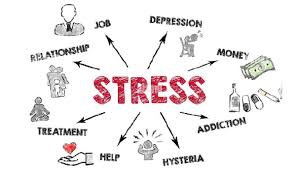
But what most people don’t realize is that stress is one of the strongest triggers of addiction.
Whether it is alcohol, smoking, drugs, sleeping pills, overeating, social media, or even gambling — many addictions begin with the simple need to “escape stress.”
In this deep and detailed blog, we’ll explore:
How stress affects the brain
Why stressed people get addicted easily
Types of stress that trigger addiction
How stress changes behavior and emotions
Why addiction feels like temporary relief
And the most effective ways to break this cycle
This blog is extremely important for anyone struggling with stress, families supporting addicts, or anyone wanting to understand addiction deeply.
What Is Stress Actually?
Stress is the body’s response to:
Pressure
Fear
Conflict
Overthinking
Emotional pain
Unexpected problems
High responsibilities
When the brain feels overwhelmed, it releases:
Cortisol (stress hormone)
Adrenaline (fight-or-flight hormone)
Short-term stress is normal.
But long-term stress (chronic stress) is dangerous — it directly leads to addiction.
How Stress Affects the Brain
When you are stressed, your brain enters survival mode.
Three major changes happen:
1. Dopamine Levels Drop
Dopamine controls:
motivation
happiness
pleasure
Stress reduces dopamine, making you feel:
dull
sad
unmotivated
tired
This is where addiction begins — you look for something to “feel better.”
2. Impulse Control Weakens
Stress weakens the prefrontal cortex (decision-making center).
This makes it harder to say:
“No, I shouldn’t.”
“This is harmful.”
You act emotionally rather than logically.
3. Emotional Pain Increases
Stress increases:
anger
frustration
loneliness
sadness
anxiety
People begin seeking quick emotional relief.
Why Stress Easily Leads to Addiction
1. Addiction Offers Instant Relief
Smoking, drinking, drugs, or even mobile scrolling provide quick dopamine, which feels like relief.
The brain learns:
“Whenever I’m stressed → this makes me feel better.”
This creates a psychological trap.
2. Stress Makes People Weak Emotionally
When emotionally weak, people cannot handle pain or pressure.
Addiction becomes an escape.
3. Stress Increases Cravings
Scientific research shows:
More stress = stronger cravings
This is why many addicts relapse during stress.
4. Stress Damages Self-Control
People under stress lose:
patience
discipline
clear thinking
As a result, they slip into addiction easily.
5. Stress Affects Sleep
Lack of sleep leads to:
mood swings
anxiety
irritability
overthinking
This increases dependency on:
alcohol
cigarettes
sleeping pills
Types of Stress That Trigger Addiction
1. Emotional Stress
heartbreak
family fights
loneliness
rejection
This is the most powerful trigger.
2. Financial Stress
lack of money
job loss
debts
People drink or smoke to escape financial fear.
3. Work Stress
deadlines
pressure
toxic work environment
unemployment fears
Many working professionals fall into addiction this way.
4. Academic Stress
Teenagers face:
exam pressure
comparison
bullying
future uncertainty
This leads to smoking, drugs, or mobile addiction.
5. Relationship Stress
Breakups, arguments, toxic partners —
these push people towards alcohol or drugs.
6. Family Stress
strict parents
domestic violence
lack of understanding
emotional neglect
These conditions are breeding grounds for addiction.
Why Addiction Feels Like Stress Relief (But Isn’t)
Addiction does not remove stress —
it only numbs the brain temporarily.
After the effect ends:
stress increases
guilt increases
dependency increases
life problems worsen
self-control decreases
This creates a dangerous loop:
Stress → Addiction → More Stress → Stronger Addiction
Signs That Stress Is Leading You Toward Addiction
Drinking more frequently
Smoking more during tension
Using phone or social media all the time
Taking sleeping pills regularly
Overeating due to anxiety
Isolating yourself
Becoming irritated easily
Thinking “I need something to relax”
These are early warning signs.
How to Break the Stress–Addiction Cycle
Here are the most effective methods used in Nasha Mukti Kendras:
1. Deep Breathing and Mindfulness
Just 60–90 seconds of breathing lowers cortisol.
2. Cognitive Behavioural Therapy (CBT)
Helps change negative thinking patterns.
3. Healthy Routine
Regular sleep, exercise, and food keep the brain balanced.
4. Physical Activity
Walking, yoga, stretching reduce stress quickly.
5. Talking to Someone
Sharing reduces emotional burden.
6. Avoid Trigger Situations
wrong company
stressful environments
toxic relationships
7. Journaling
Writing feelings reduces stress and overthinking.
8. Meditation
Reduces anxiety and improves emotional control.
9. Professional Counseling
Helps understand emotional triggers.
10. Nasha Mukti Kendra Support
If addiction has already started, professional help is the best option.
Why Stress Management Is Key in Recovery
Addiction recovery is impossible without stress management because:
Stress causes relapse
Stress weakens self-control
Stress activates cravings
Stress damages emotional balance
This is why every de-addiction program includes:
meditation
counseling
relaxation training
emotional therapy
Final Thoughts
Stress is not just a feeling —
it is a psychological force that can pull a person into addiction if not handled correctly.
Understanding this connection is the first step toward:
prevention
early intervention
and long-term recovery
Stress is temporary.
Addiction is permanent.
But with the right support and techniques, anyone can break this cycle and build a life of peace, clarity, and stability.


Leave A Comment