

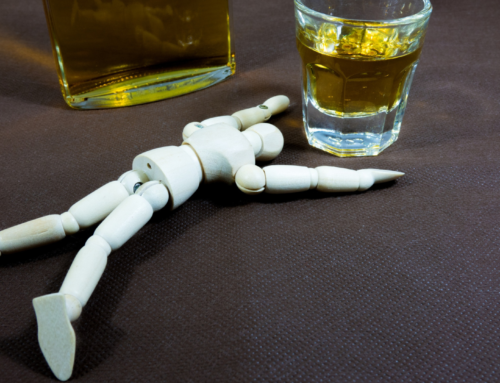
Addiction is not just a physical dependency — it is a deep emotional and psychological struggle that traps a person in a cycle of pain, guilt, loneliness, and helplessness. For many people, breaking free feels impossible. However, Rehabilitation Centers (Nasha Mukti Kendras) provide the structure, guidance, and hope needed to rebuild life from the ground up.
Rehab is not about punishment — it is about healing. It is about rediscovering self-worth, restoring relationships, and reconnecting with life. Thousands of individuals who once believed recovery was beyond reach are today living healthy, meaningful lives. Their stories remind us that transformation is possible, no matter how dark the path has been.
This blog explores how rehabilitation centers transform lives, the methods they use, and real-life inspired recovery stories that reflect hope, courage, and change.
1. The Environment of Rehabilitation Centers: A Safe Space to Heal
Rehabilitation centers offer something that a struggling individual rarely finds in their normal environment — a safe, structured, and substance-free space. Away from peer pressure, stress, and triggers, a person finally gets the chance to pause and breathe.
Inside a rehab center:
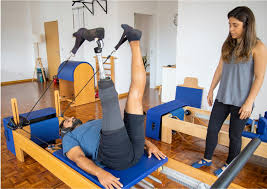
There are trained doctors, therapists, counselors, yoga trainers, and support staff.
Daily routines are planned with wellness activities, therapy sessions, and self-growth exercises.
Every individual is treated with respect and dignity — not judgment.
Rehab centers provide stability — something that addiction slowly destroys.
2. The Holistic Healing Method: Body, Mind & Soul
The purpose of rehabilitation is not just to detox the body but to heal the mind and spirit. Modern rehab centers use a holistic recovery model, which includes:
| Component | Purpose |
|---|---|
| Detox Therapy | Cleanses the body and reduces physical dependency |
| Individual Counseling | Identifies emotional and psychological causes |
| Group Therapy | Builds connection and mutual support |
| Family Therapy | Repairs relationships and strengthens the support system |
| Yoga & Meditation | Controls cravings, anxiety, and emotional instability |
| Recreation & Skill Training | Helps build a new, positive lifestyle |
This approach heals the person from the inside out, making recovery stronger and long-lasting.
3. Rebuilding Self-Confidence and Identity
Addiction often destroys self-esteem. People begin to feel worthless or ashamed. Rehabilitation centers help individuals rebuild confidence by:
Encouraging self-expression through art, music, and conversation
Setting small, achievable goals and celebrating them
Teaching life skills and emotional resilience
Encouraging hobbies, fitness, and creative activities
Gradually, the person begins to see themselves not as an addict, but as a human being capable of growth.
4. Real-Life Inspired Success Stories
Story 1: The Businessman Who Got His Life Back
Rohit, a 45-year-old businessman, fell into alcohol addiction due to business stress. His family relationships were falling apart. At a rehabilitation center, he learned meditation, attended counseling, and slowly regained clarity. Today, he runs his business again, helps others in recovery, and has rebuilt trust in his family.
Rehab didn’t just save his life — it restored his identity.
Story 2: A College Student Who Escaped Drug Dependency
Aman started using drugs due to peer pressure during college. His health declined and he became emotionally distant. His parents admitted him to rehab where he joined group therapy sessions and found comfort in sharing with others who understood him.
He completed treatment and now studies psychology to help others avoid the mistakes he once made.
Rehab turned a lost student into a guide for others.
Story 3: The Mother Who Reclaimed Her Family
Meena, a young mother, became dependent on painkillers after a medical procedure. Shame prevented her from asking for help. At rehab, she learned coping strategies, practiced emotional healing, and addressed the trauma that triggered her addiction.
Today, she is sober, raising her children with love, and volunteers at women’s recovery programs.
Rehab helped her return to her most important role — being a mother.
5. The Role of Community Support in Recovery
One of the most powerful aspects of rehabilitation is community support — sharing, listening, and healing together.
In rehab centers, individuals realize:
They are not alone
Others have survived the same pain
Recovery is possible when shared
Group therapy builds:
Empathy
Confidence
Motivation
Emotional stability
This community often becomes a second family — one built on understanding and strength.
6. Life After Rehab: A New Beginning
Leaving rehab does not mean recovery ends — it means recovery begins fully. Rehabilitation centers prepare individuals to face life outside by:
Creating relapse prevention plans
Teaching stress-management and emotional coping techniques
Encouraging long-term therapy and support meetings
Reconnecting them with healthy social environments
Those who stay connected with support groups and wellness practices maintain long-term sobriety.
7. The Biggest Transformation: A Change in Mindset
The true transformation rehabilitation centers bring is a shift in mindset:
From “I cannot control this” → to → “I can rebuild my life.”
From shame → to → self-worth.
From pain → to → purpose.
Addiction breaks identity.
Rehabilitation restores it.
Conclusion: Recovery Is Possible — And Real
Rehabilitation centers are not places of punishment — they are places of rebirth.
They help individuals rediscover:
Peace
Purpose
Strength
Self-worth
Life
Every success story begins with one step — asking for help.
If you or someone you love is struggling, remember:
Recovery is not just possible — it is waiting.
Every person deserves a second chance, and rehabilitation centers make that chance real.

Leave A Comment