

Introduction
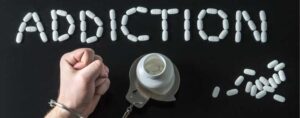
Addiction is a silent destroyer. It creeps into a person’s life slowly, affecting the mind, the body, and every relationship they hold dear. Many people want to quit, they try to quit, but addiction is a complex condition — not simply a habit, but a disorder that requires structured treatment and support. This is where Nasha Mukti Kendras, also known as de-addiction or rehabilitation centers, play a life-changing role.
For thousands of individuals struggling with alcohol, drugs, or behavioral addiction, a Nasha Mukti Kendra becomes the place where a new life begins. Through therapy, medical care, emotional support, discipline, and structured routines, these centers create a safe path toward freedom from addiction.
This blog explains in detail how Nasha Mukti Kendras help individuals restart life in a healthy, productive, and meaningful way.
1. Providing a Safe and Supportive Environment
One of the biggest challenges in overcoming addiction is escaping the triggers — environments, people, habits, stress, or situations that push a person back toward substance use.
A Nasha Mukti Kendra provides a controlled, safe, and substance-free environment, where:
No alcohol, drugs, or harmful substances are allowed
Patients receive 24/7 supervision
All triggers are removed
A strict routine is followed
Patients interact with others going through similar struggles
This safe space allows individuals to focus completely on healing without distractions, temptations, or emotional pressures from the outside world.
2. Supervised Detoxification: The First Step to Recovery
Before anyone begins therapy, the body must be cleared of addictive substances. This process is called detoxification.
At a professional Nasha Mukti Kendra:
Doctors monitor the patient’s health
Medication is provided to manage withdrawal
Emergency support is available
The detox speed is controlled and safe
The patient is guided emotionally through discomfort
Withdrawal symptoms like sweating, anxiety, shaking, vomiting, insomnia, hallucinations, and cravings can be dangerous without medical assistance. A well-trained medical team ensures detox happens smoothly and reduces health risks.
Detox is not the cure — it is the foundation of recovery.
3. Personalized Treatment Plans for Every Individual
Every person’s addiction story is different. Some fall into substance use due to stress, others to loneliness, depression, trauma, or peer influence. Because of this, a one-size-fits-all approach doesn’t work.
Modern Nasha Mukti Kendras provide:
Individual assessments
Customized therapy plans
Personalized goals
Progress tracking
Adjustments in treatment based on improvement
A personalized plan increases the chances of long-term recovery, because the treatment directly targets the individual’s unique triggers and psychological patterns.
4. Professional Counseling: Healing the Mind
A major part of recovery happens in the mind. Addiction often begins due to emotional pain, stress, fear, low confidence, or mental health issues. Without resolving these root causes, the cycle continues.
Nasha Mukti Kendras include expert counselors who help individuals by:
Identifying emotional triggers
Breaking negative thinking patterns
Replacing harmful beliefs with healthy ones
Building self-worth and confidence
Teaching coping techniques for stress and anxiety
Types of counseling offered include:
Individual Counseling
A one-on-one session where the individual opens up about struggles, traumas, habits, and emotions.
Group Counseling
Patients share their experiences with others, helping them learn they are not alone.
Family Counseling
Addiction damages relationships. Family therapy repairs trust and builds support systems.
Cognitive Behavioral Therapy (CBT)
Helps individuals recognize harmful thoughts and replace them with positive behavior patterns.
Motivational Enhancement Therapy
Reignites a patient’s desire to live a better, addiction-free life.
Without emotional healing, long-term recovery is impossible. Counseling is the heart of transformation.
5. Developing Life Skills for a Better Future
Addiction often disrupts daily life routines. Many individuals lose jobs, fail in studies, weaken relationships, and develop unhealthy patterns like poor sleeping habits, anger issues, and low motivation.
To restart life, they need to relearn essential skills.
Professional Nasha Mukti Kendras teach:
Time management
Stress handling
Communication skills
Financial awareness
Discipline and responsibility
Healthy lifestyle habits
Decision-making
Conflict resolution
These skills prepare patients to return to society as confident, responsible, and independent individuals.
6. Building Physical Strength Through Exercise and Healthy Diet
Addiction weakens the body severely. It affects the liver, heart, immune system, brain function, sleep cycle, and overall physical stamina.
Rehabilitation centers ensure physical recovery through:
Daily Exercise
Yoga
Breathing exercises
Gym sessions
Walking
Sports activities
Stretching and relaxation
Exercise releases endorphins, reduces cravings, improves mood, and builds energy.
Balanced Nutritious Diet
A nutritionist recommends:
Protein-rich meals
Fresh fruits and vegetables
Hydrating fluids
Vitamin supplements
Low-fat, low-sugar food
Foods that repair damaged organs
A healthy body supports a healthy mind, making recovery faster and more effective.
7. Learning to Handle Cravings and Prevent Relapse
Even after treatment, cravings can return. Relapse is common, but preventable with the right strategies.
Nasha Mukti Kendras teach:
Identifying relapse signs
Avoiding high-risk places
Saying “No” assertively
Distracting techniques when cravings hit
Building positive habits
Creating support systems
Understanding emotional triggers
Patients practice these techniques daily so that once they return home, they can protect themselves from old patterns.
Centers also provide relapse prevention toolkits and continuous monitoring for months after discharge.
8. Building Emotional Stability Through Mindfulness & Yoga
Many rehabilitation centers use holistic healing methods, which include:
Yoga
Meditation
Breathing practices
Mindfulness exercises
Art therapy
Music therapy
Spiritual sessions
These activities help:
Calm the mind
Reduce anxiety
Improve self-control
Build inner peace
Boost self-esteem
Strengthen emotional balance
Yoga and meditation especially help patients stay focused and resist cravings.
9. Creating a Strong Support System
A person recovering from addiction cannot fight this battle alone. They need people who understand their struggle and stand by their side.
Nasha Mukti Kendras help build this support system through:
Peer Groups
Patients bond with others facing similar challenges, making them feel understood and supported.
Support Meetings
Regular meetings where recovered individuals share their journeys and inspire others.
Family Sessions
Helping family members learn how to support the recovering individual without judgment or pressure.
A strong support system protects against relapse and keeps the individual motivated even after leaving the center.
10. Encouraging Positive Routine and Discipline
A structured routine helps the brain reprogram itself.
In a Nasha Mukti Kendra, daily schedule includes:
Waking up early
Yoga and meditation
Nutritious meals
Therapy sessions
Skill-building
Group discussions
Recreational activities
Relaxation time
Early sleep routine
A disciplined life improves mental clarity, builds good habits, and creates a foundation for long-term recovery.
11. Preparing Individuals for Life After Rehab
Treatment is the first step. The real challenge begins when the individual returns to society. To help them reintegrate, Nasha Mukti Kendras provide aftercare programs, including:
Monthly checkups
Counseling sessions
Support group meetings
Relapse monitoring
Continuous motivation
Career guidance
Family guidance
Some centers even help in:
Finding jobs
Rebuilding social connections
Managing finances
Restarting education
Learning new skills
The goal is not just to stop addiction — it is to rebuild a complete, meaningful, and productive life.
12. Transforming Identity and Self-Worth
Addiction often destroys a person’s confidence. Many feel ashamed, guilty, unworthy, or hopeless. A Nasha Mukti Kendra helps them:
Believe in themselves again
See their own potential
Build new dreams
Develop a positive identity
Learn self-love and respect
Recovering individuals start viewing themselves as strong survivors, not victims.
Conclusion: A New Beginning Through Nasha Mukti Kendras
Nasha Mukti Kendras are not just treatment centers — they are life transformation centers. They rebuild a person’s body, mind, emotions, and identity. They restore relationships, heal trauma, develop discipline, and create hope for a better future.
For anyone struggling with addiction, joining a Nasha Mukti Kendra is not a sign of weakness — it is the first step toward strength, courage, and a new life.
Recovery is not easy. But with the right support, guidance, and dedication, every individual can rise again.



Leave A Comment