

Introduction
Addiction recovery is not merely about abstaining from substances; it is a deeply emotional, psychological, and spiritual process. Many individuals struggle to express their pain, guilt, and trauma through words alone. This is where art and creative expression play a transformative role. From painting and music to dance and writing, creative therapies provide an alternative channel for healing — one that transcends verbal communication and allows individuals to reconnect with their emotions in a safe and meaningful way.
In recent years, art therapy and other creative practices have become essential components of rehabilitation programs across the world. They serve not just as leisure activities but as powerful tools for introspection, empowerment, and long-term recovery.
1. Understanding the Connection Between Art and Healing
Art has long been recognized as a reflection of human emotion. In the context of addiction, creativity acts as a mirror that allows individuals to see and process their inner struggles. When a person engages in art-making, they externalize their emotions — turning pain into color, rhythm, or movement.
This process activates areas of the brain associated with reward, motivation, and pleasure, which are often impaired by substance abuse. By stimulating these pathways naturally, art helps in retraining the brain to experience joy and fulfillment without drugs or alcohol.
2. The Science Behind Art Therapy
Neuroscientific research supports the therapeutic benefits of creative activities. Engaging in art triggers the release of dopamine, a “feel-good” neurotransmitter. For individuals recovering from addiction, this is crucial since many have depleted dopamine levels due to substance use.
Additionally, creative tasks:
Lower cortisol levels (stress hormone)
Improve focus and mindfulness
Enhance self-awareness
Strengthen emotional regulation
Art therapy combines these neurological benefits with guided psychological frameworks, allowing patients to express the inexpressible — fears, memories, or desires that words often fail to capture.
3. Forms of Creative Expression in De-Addiction
Recovery centers, such as Nasha Mukti Kendras, integrate a variety of creative forms depending on individual preferences and therapeutic goals. Here are some of the most impactful ones:
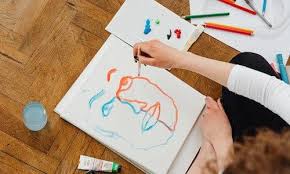
a. Painting and Drawing
Visual art helps individuals release suppressed emotions. The act of applying colors to canvas symbolizes transformation — from chaos to control, darkness to light. Many recovering individuals report a sense of calm and identity rediscovery through painting.
b. Music Therapy
Music, both listening and creating, has a profound emotional impact. It helps regulate mood, reduce anxiety, and foster connection. Writing songs or playing instruments provides a sense of purpose and accomplishment.
c. Dance and Movement
Dance therapy allows individuals to reconnect with their bodies, which are often neglected or abused during addiction. It promotes body awareness, boosts confidence, and helps release stored trauma through movement.
d. Creative Writing and Poetry
Writing helps externalize emotions and thoughts. Journaling or poetry encourages introspection, forgiveness, and personal growth. It also serves as a record of progress — a tangible reminder of how far one has come.
e. Drama and Role-Play
Theatre-based therapy allows individuals to step into different roles and explore unresolved issues safely. It enhances empathy, communication, and social reintegration — all essential aspects of sustained recovery.
4. Emotional Benefits of Creative Therapy
Art and creativity offer more than distraction; they provide emotional liberation. Here are some major emotional benefits:
Expression without judgment: Patients can communicate emotions symbolically without needing to articulate them.
Reduced anxiety and depression: Creative engagement provides an outlet for stress and negative thoughts.
Increased self-esteem: Completing an artwork or performance fosters pride and a sense of achievement.
Emotional resilience: Art builds the capacity to tolerate discomfort and navigate emotions healthily.
These benefits collectively enhance mental stability, reducing relapse risks.
5. Building Identity and Purpose Through Creativity
Addiction often erases a person’s sense of self. Many individuals in recovery struggle with identity confusion — “Who am I without the substance?”
Creative expression helps rebuild that lost identity. When someone paints, writes, or performs, they are reminded of their innate worth and individuality. Art becomes a means of self-discovery and self-affirmation.
Moreover, engaging in creative projects instills a sense of purpose. Whether it’s completing a sculpture or writing a poem, creative tasks offer goals that are meaningful and constructive. This forward-looking mindset is vital for sustainable sobriety.
6. The Role of Art Therapy in Rehabilitation Centers
Modern rehabilitation facilities, including Nasha Mukti Kendras, have recognized the deep therapeutic potential of creative programs. These centers employ trained art therapists who tailor activities based on the patient’s psychological and emotional needs.
Typical sessions include:
Guided creative exercises (painting, music, etc.)
Group discussions to reflect on artworks
Symbol interpretation for emotional insight
Collaborative projects to foster teamwork
Such activities are not only therapeutic but also help build a sense of community among residents — a vital element in overcoming isolation and shame.
7. Case Studies and Real-Life Transformations
Many real-life recovery stories showcase the transformative power of art.
For instance:
A former alcoholic found peace and self-worth through painting and went on to hold his own art exhibition.
Another patient discovered songwriting as a form of therapy and now helps others through music workshops.
Women in rehabilitation centers often use craft and embroidery to regain focus, patience, and confidence.
These stories highlight that creativity doesn’t just heal — it empowers individuals to lead fulfilling, substance-free lives.
8. Integrating Art with Traditional Therapies
While art therapy is powerful, it works best when combined with other treatments such as:
Cognitive Behavioral Therapy (CBT)
Meditation and Yoga
Counseling and Peer Support
Art complements these approaches by engaging the subconscious mind and providing visual metaphors for inner transformation. For example, a counselor might use a patient’s drawing to uncover underlying trauma or trigger patterns.
9. Long-Term Impact of Creative Healing
The influence of art therapy extends far beyond the rehabilitation period. Patients who continue creative practices post-recovery show:
Lower relapse rates
Better emotional regulation
Greater sense of purpose
Stronger social reintegration
Art becomes a lifelong coping mechanism — a safe space to return to whenever life feels overwhelming.
10. How Families and Communities Can Encourage Creative Healing
Family support is crucial for sustaining creative engagement. Encouraging the recovering individual to continue painting, writing, or performing can:
Reinforce confidence
Reduce feelings of loneliness
Create healthy communication channels
Community organizations can also host art exhibitions, music performances, or creative workshops showcasing recovery art. This not only helps in reducing stigma but also inspires others battling addiction to seek help.
Conclusion
Art and creativity are not luxuries in recovery — they are lifelines. They bridge the gap between silence and expression, chaos and calm, despair and hope. In the journey of de-addiction, creative practices serve as healing companions, guiding individuals toward rediscovery, resilience, and renewal.
At Nasha Mukti Kendras and rehabilitation centers worldwide, integrating creativity into treatment transforms recovery from a struggle into a process of self-reclamation.
Through art, individuals not only heal — they learn to live again.

Leave A Comment