

Alcohol is one of the most commonly abused substances in the world, yet people often underestimate how dangerous it truly is.
Unlike drugs that show their effects quickly, alcohol destroys the body slowly, silently, and deeply.
Its damage starts from the very first drink and progresses over months and years—affecting every organ and every system in the body.
In this detailed blog, we will explore:
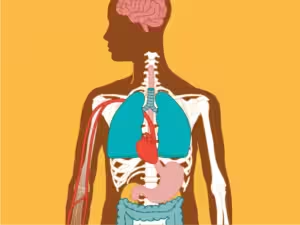
How alcohol affects each organ
Short-term vs. long-term effects
How alcoholism becomes addiction
How it damages mental health
“Hidden” dangers people don’t notice
And how recovery is possible
This is the complete health breakdown everyone should know.
What Happens When You Drink Alcohol?
When alcohol enters the body:
It gets absorbed into the bloodstream within minutes
Reaches the brain and alters decision-making
Affects the liver, heart, stomach, and kidneys
Imbalances hormones
Changes mood, memory, and behavior
Even “social drinking” has harmful effects if done regularly.
Short-Term Effects of Alcohol
Loss of control
Slurred speech
Blurred vision
Poor judgment
Aggressive behavior
Headache and nausea
Dehydration
Accidents and risky actions
These effects may seem temporary, but repeated drinking makes them permanent.
Long-Term Effects of Alcohol on the Body
Let’s break down organ by organ.
1. Liver Damage (Most Affected Organ)
Your liver is the body’s detox center.
Alcohol overloads it and leads to conditions like:
A. Fatty Liver (Steatosis)
The first stage—almost everyone who drinks regularly gets it.
B. Alcoholic Hepatitis
Liver becomes swollen, painful, and inflamed.
C. Cirrhosis
The final, irreversible stage where liver cells die and scar tissue forms.
Cirrhosis can be fatal.
2. Heart and Blood Pressure Problems
Alcohol increases:
Blood pressure
Heart rate
Cholesterol levels
Long-term results:
Heart attack
Stroke
Weak heart muscles (cardiomyopathy)
3. Brain Damage (Slow but Permanent)
Alcohol directly damages brain cells.
Weak memory
Poor concentration
Slowed thinking
Emotional imbalance
Coordination issues
Early dementia
Chronic drinkers often show premature ageing of the brain.
4. Stomach and Digestion Problems
Alcohol irritates the stomach lining.
Acidity
Gastritis
Ulcers
Vomiting
Malnutrition
Because alcohol blocks nutrient absorption, even if someone eats well, their body remains weak.
5. Kidney Damage
Alcohol dehydrates the body and forces kidneys to work harder.
Kidney stones
Kidney failure
Electrolyte imbalance
6. Immune System Weakening
Alcohol lowers the body’s ability to fight infections.
People who drink regularly face:
Frequent colds
Skin infections
Slow wound healing
Tuberculosis risk
7. Hormonal Imbalance
Alcohol disrupts hormones:
In men → Low testosterone, impotence
In women → Irregular periods, infertility
It also increases stress hormone cortisol.
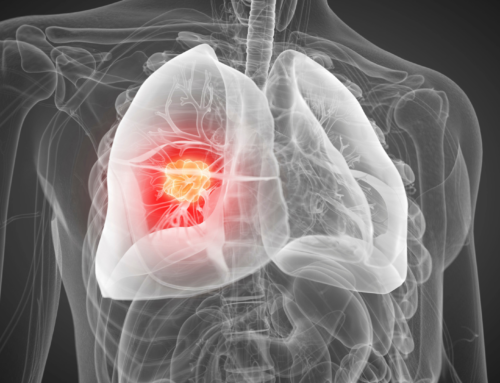
8. Cancer Risk
Alcohol is linked to cancers of:
Mouth
Liver
Breast
Throat
Colon
Esophagus
Cancer risk increases with every sip.
How Alcohol Affects Mental Health
Alcohol does not just harm the body — it damages the mind even more.
1. Increases Anxiety
Many people drink to relax, but long-term drinking multiplies anxiety.
2. Causes Depression
Alcohol is a depressant.
Regular drinking disrupts brain chemicals that control happiness.
3. Anger and Irritation
Alcohol reduces emotional control.
4. Social Withdrawal
People become distant, secretive, and avoid responsibilities.
5. Addiction and Loss of Control
The biggest danger:
Alcohol rewires the brain and creates dependency.
Hidden Dangers People Ignore
These signs look small but indicate serious damage:
Not sleeping well
Shaking hands in the morning
Needing alcohol to feel “normal”
Forgetting things
Reduced appetite
Red eyes
Yellowish skin
Lack of motivation
People often ignore them until the damage becomes irreversible.
Stages of Alcohol Addiction
1. Social Drinking
Occasional, but risky when repeated.
2. Regular Drinking
Used as stress relief or fun.
3. Problem Drinking
Alcohol starts affecting work, family, money.
4. Dependence
Without alcohol, the person feels uncomfortable.
5. Addiction (Alcohol Use Disorder)
Total loss of control.
Life becomes centered around alcohol.
Can the Body Recover After Alcohol Damage?
Yes — but the sooner the better.
The body begins to heal when someone quits:
After 24–48 hours:
Blood pressure drops
Heart stabilizes
After 1–2 weeks:
Sleep improves
Digestion gets better
After 1 month:
Skin glows
Energy returns
After 3 months:
Liver begins repair
Anxiety decreases
After 1 year:
Heart risk drops significantly
Life expectancy increases
How to Quit Alcohol Safely
1. Medical Detox
Especially for heavy drinkers.
2. Counseling & Therapy
To treat cravings and emotional triggers.
3. Family Support
Strong support reduces relapse.
4. Healthy Lifestyle
Yoga, meditation, exercise help the brain heal.
5. Nasha Mukti Kendra
Best option for controlled and safe recovery.
Final Thoughts
Alcohol destroys the body quietly and slowly.
What begins as “just a drink” becomes:
A health threat
A mental illness
A life-damaging addiction
Understanding how alcohol harms every organ is the first step toward quitting.
Recovery is possible.
The body heals.
The mind heals.
Life heals — when alcohol is removed from it.

Leave A Comment