

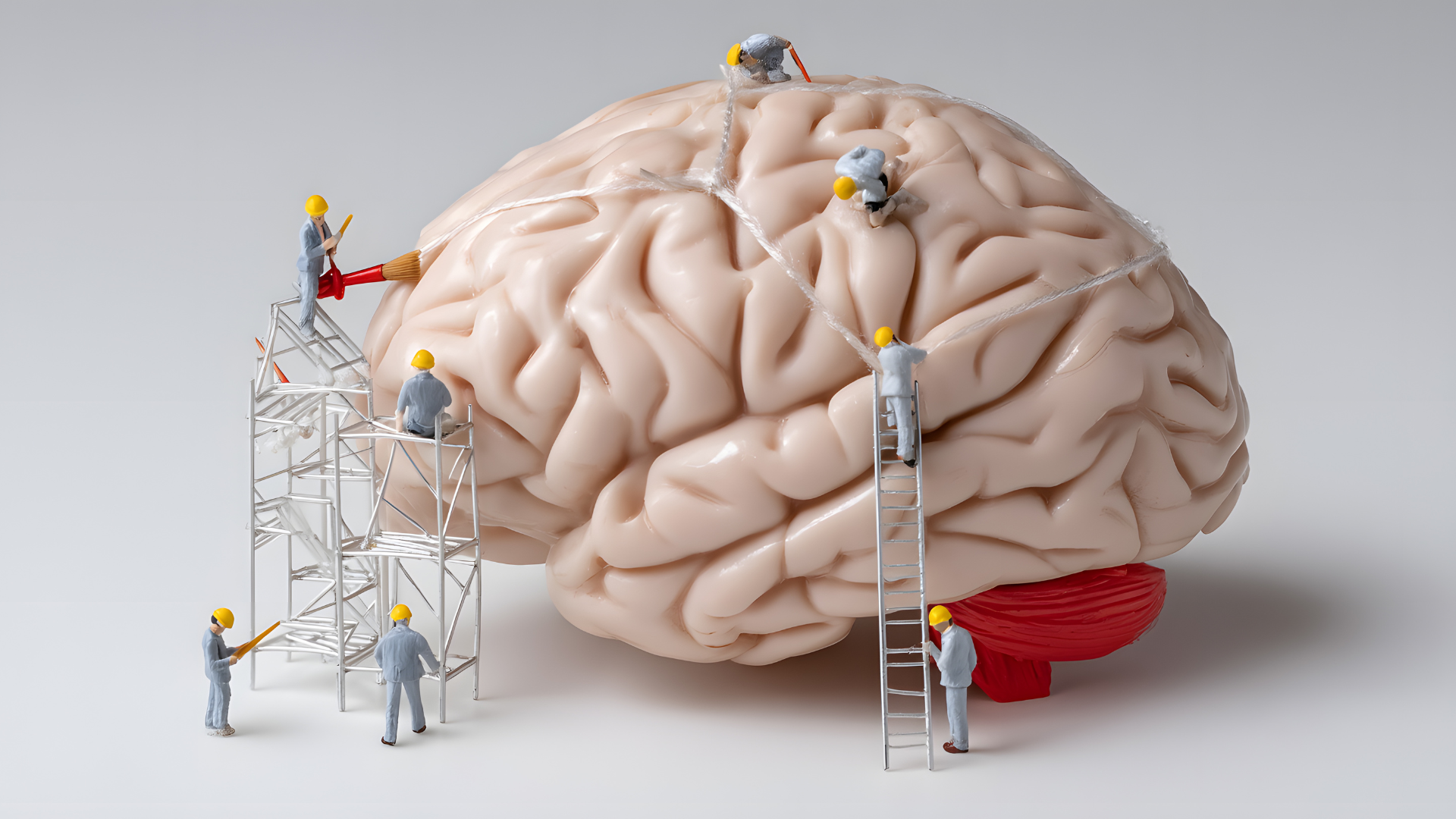
Addiction is not just a bad habit or lack of willpower. It is a complex brain disorder that slowly changes how the brain works, thinks, feels, and reacts. Many people believe addiction is a personal weakness, but modern science clearly shows that addiction deeply affects brain structure and function. This is why quitting substances without proper guidance becomes extremely difficult for most individuals.
A Nasha Mukti Kendra plays a crucial role in helping individuals understand these changes, heal their brain, and rebuild a healthy, addiction-free life. This blog explains how addiction affects the brain and how structured treatment at a Nasha Mukti Kendra helps reverse the damage over time.
Understanding Addiction as a Brain Disease
The human brain controls decision-making, emotions, memory, motivation, and behavior. When a person repeatedly consumes alcohol, drugs, or other addictive substances, these substances interfere with the brain’s natural chemical balance.
Addiction develops when the brain becomes dependent on external substances to feel pleasure, calmness, or relief. Over time, the brain starts prioritizing substance use over basic needs like food, family, work, and health. This is not a conscious choice; it is the result of chemical and structural brain changes.
Addiction affects three major areas of the brain:
The reward system
The decision-making system
The emotional regulation system
These changes explain why addicted individuals continue substance use even when they know it is harming their life.
How Addiction Hijacks the Brain’s Reward System
The brain has a natural reward system that releases dopamine when we do healthy activities like eating, exercising, or achieving goals. Dopamine makes us feel pleasure and motivates us to repeat positive behaviors.
Addictive substances release dopamine at extremely high levels, much higher than natural rewards. This artificial dopamine flood trains the brain to associate substances with pleasure and survival. As a result, the brain starts craving substances more than anything else.
Over time, the brain reduces its natural dopamine production. This means normal activities no longer feel enjoyable. Without substances, the person feels empty, depressed, anxious, or restless. This is why quitting feels so painful and uncomfortable.
A Nasha Mukti Kendra focuses on slowly restoring the brain’s natural reward balance instead of forcing sudden withdrawal without support.
Impact of Addiction on Decision-Making Ability
The prefrontal cortex is the part of the brain responsible for judgment, self-control, planning, and decision-making. Addiction weakens this area significantly.
When the prefrontal cortex is damaged, the person:
Struggles to control impulses
Makes poor decisions
Ignores long-term consequences
Loses the ability to say no
This explains why addicted individuals may promise to quit but relapse again and again. Their brain is literally unable to resist cravings on its own.
A Nasha Mukti Kendra uses structured routines, therapy, and discipline to help rebuild self-control and decision-making skills gradually.
Emotional Imbalance Caused by Addiction
Addiction also damages the brain’s emotional regulation system, including areas responsible for stress, fear, and mood stability. As a result, addicted individuals often experience:
Anxiety
Depression
Irritability
Mood swings
Anger issues
Emotional numbness
Substances temporarily suppress these emotions, which creates a dangerous cycle. The person uses substances to escape emotional pain, but substances themselves create more emotional instability.
At a Nasha Mukti Kendra, emotional healing is treated as seriously as physical detox. Without emotional recovery, long-term sobriety is not possible.
Memory and Learning Problems Due to Addiction
Long-term substance use affects memory, concentration, and learning ability. Many individuals face difficulty remembering conversations, focusing on tasks, or learning new skills.
This happens because addiction damages brain cells and disrupts communication between neurons. The brain becomes slower, confused, and less efficient.
A professional Nasha Mukti Kendra provides cognitive therapies and mental exercises that help restore brain function and improve memory over time.
Why Willpower Alone Is Not Enough
Many people try to quit addiction on their own and fail repeatedly. This leads to guilt, shame, and hopelessness. The reality is that addiction rewires the brain in a way that makes self-recovery extremely difficult.
Without medical supervision, counseling, and structured support, the brain continues to crave substances intensely. Withdrawal symptoms further push the person back into addiction.
A Nasha Mukti Kendra understands that recovery is a medical and psychological process, not a moral test.
How a Nasha Mukti Kendra Begins Brain Healing
Recovery starts with detoxification. Detox helps remove harmful substances from the body safely under medical supervision. This step is crucial because sudden withdrawal can be dangerous and emotionally overwhelming.
During detox, doctors monitor physical and mental symptoms, ensuring the brain adjusts gradually instead of going into shock.
Detox is not the end of recovery; it is the beginning of brain healing.
Role of Counseling in Brain Recovery
Counseling is one of the most powerful tools used in a Nasha Mukti Kendra. It helps individuals understand why they started using substances, what emotional triggers drive addiction, and how to respond differently.
Counseling helps the brain rewire thought patterns. Over time, negative thinking is replaced with healthy coping mechanisms. This process is called neuroplasticity, which means the brain’s ability to change and heal.
Individual therapy, group therapy, and family counseling all work together to support mental recovery.
How Structured Routine Repairs Brain Discipline
Addiction thrives in chaos. Irregular sleep, poor diet, lack of discipline, and emotional stress all damage brain health further.
A Nasha Mukti Kendra follows a fixed daily routine that includes:
Regular sleep cycles
Balanced meals
Physical activity
Meditation or relaxation sessions
Therapy sessions
This routine trains the brain to function normally again. Discipline restores balance and stability, which are essential for long-term recovery.
Importance of Nutrition in Brain Healing
Substance abuse depletes essential nutrients that the brain needs to function properly. Poor nutrition worsens depression, anxiety, and fatigue.
A Nasha Mukti Kendra provides nutritious meals that support brain repair. Vitamins, minerals, and hydration help regenerate brain cells and improve mental clarity.
Proper nutrition also reduces cravings and improves mood naturally.
Role of Yoga and Meditation in Brain Recovery
Yoga and meditation are powerful tools for healing the addicted brain. They reduce stress hormones, improve focus, and increase emotional control.
Regular meditation helps strengthen the prefrontal cortex, which improves decision-making and impulse control. Yoga also releases natural feel-good chemicals that replace artificial substance-based pleasure.
Most modern Nasha Mukti Kendras include these practices as part of holistic recovery.
Emotional Support and Safe Environment
A supportive environment plays a major role in brain healing. Constant exposure to triggers, stress, or negative influences slows recovery.
A Nasha Mukti Kendra provides a safe, controlled space where the brain can heal without temptation. Emotional support from counselors and fellow patients reduces loneliness and shame.
This sense of belonging significantly improves recovery outcomes.
Preventing Relapse Through Brain Training
Relapse happens when old brain patterns regain control. A Nasha Mukti Kendra focuses heavily on relapse prevention by teaching:
Trigger identification
Stress management techniques
Emotional regulation
Healthy lifestyle habits
Patients learn how to respond to cravings instead of reacting impulsively. This training strengthens the brain’s self-control system.
Life After Treatment: Continued Brain Healing
Brain recovery does not stop when treatment ends. Healing continues for months and even years after quitting substances.
A good Nasha Mukti Kendra provides follow-up support, counseling guidance, and lifestyle recommendations to help maintain sobriety.
With time, the brain regains balance, pleasure returns naturally, and emotional stability improves significantly.
Hope for a Healthy Brain and New Life
The brain has an incredible ability to heal. With proper care, support, and patience, many of the changes caused by addiction can be reversed.
A Nasha Mukti Kendra does not just help people quit substances. It helps them rebuild their brain, restore self-respect, repair relationships, and rediscover purpose in life.
Addiction may damage the brain, but recovery proves that healing is always possible with the right help.



Leave A Comment