

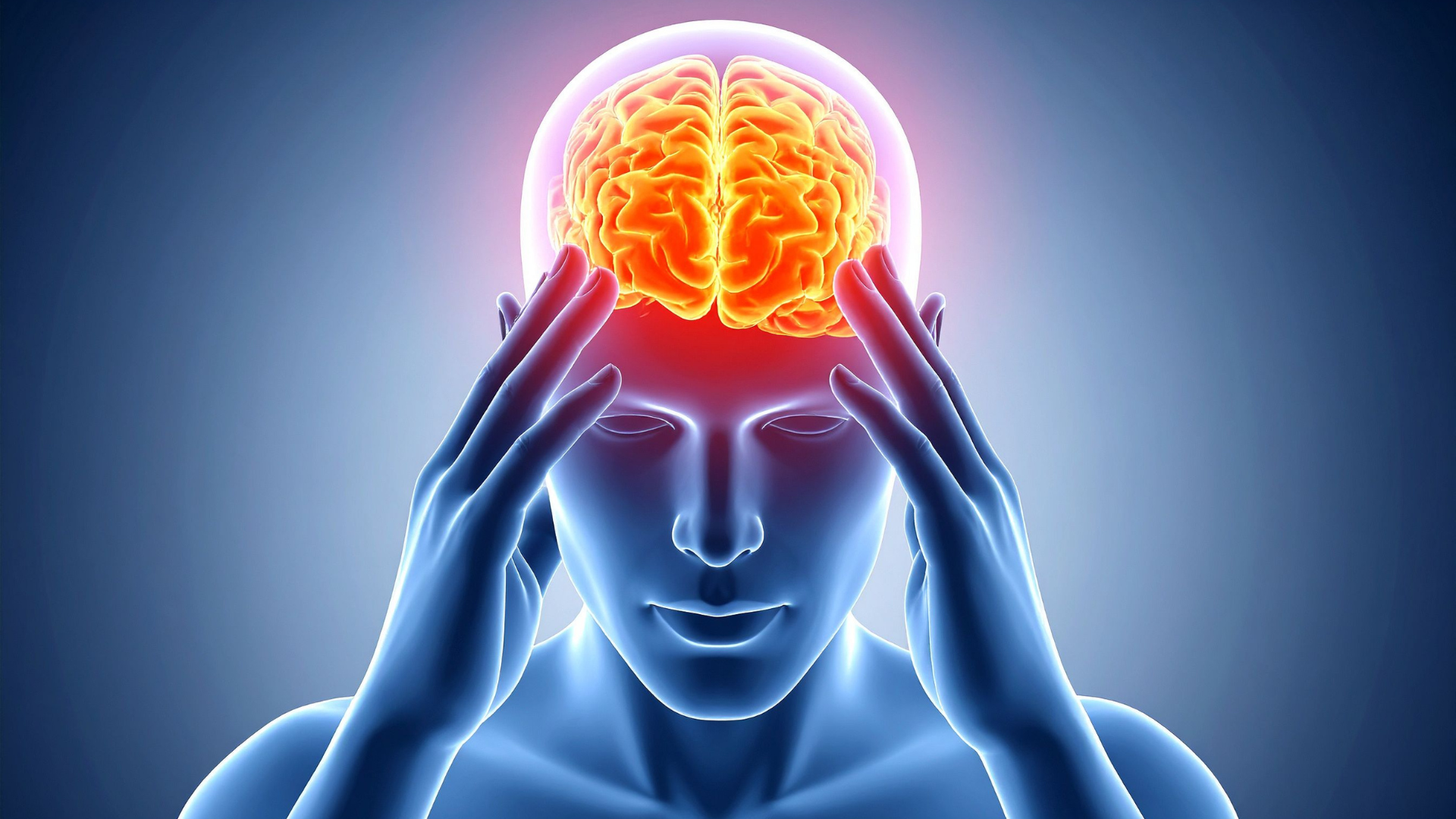
Addiction is often misunderstood as a lack of willpower or poor self-control. In reality, addiction is a chronic brain disorder that changes how the brain functions at a deep biological level. These changes affect how a person thinks, feels, makes decisions, and controls impulses. Understanding how addiction affects the brain is essential for patients, families, and anyone involved in recovery or awareness work, including Nasha Mukti Kendras.
This detailed guide explains how addiction starts, how it changes brain chemistry, why quitting is difficult, and how recovery helps heal the brain over time.
1. What Is Addiction?
Addiction is a condition in which a person compulsively uses a substance or engages in a behavior despite harmful consequences. Common addictions include:
- Alcohol addiction
- Drug addiction (opioids, heroin, cocaine, cannabis, etc.)
- Prescription drug abuse
- Nicotine addiction
- Behavioral addictions (gaming, gambling, smartphone addiction)
From a medical perspective, addiction is classified as a brain disease because it directly alters brain structure and function.
2. The Brain’s Reward System: Where Addiction Begins
The human brain has a natural reward system designed to keep us alive. This system rewards activities essential for survival, such as eating, drinking water, and social bonding.
Key chemical involved: Dopamine
- Dopamine is a neurotransmitter responsible for pleasure, motivation, and learning
- It helps the brain remember rewarding experiences
- It motivates us to repeat behaviors that feel good
When something pleasurable happens, dopamine is released, and the brain says: “This is important. Do it again.”
3. How Drugs and Alcohol Hijack the Brain
Drugs and alcohol flood the brain with dopamine, far more than natural rewards ever could.
For example:
- Eating food: moderate dopamine release
- Exercise: healthy dopamine release
- Drugs or alcohol: massive dopamine surge
This unnatural surge teaches the brain that the substance is extremely important—more important than food, relationships, or safety.
Over time, the brain starts prioritizing the substance above everything else.
4. Brain Areas Affected by Addiction
Addiction impacts several critical areas of the brain:
a) Basal Ganglia (Reward Center)
- Controls pleasure and habit formation
- Becomes overactive with substance use
- Creates intense cravings
b) Prefrontal Cortex (Decision-Making Center)
- Responsible for judgment, self-control, and planning
- Weakens with addiction
- Leads to poor decision-making and impulsive behavior
c) Extended Amygdala (Stress and Anxiety Center)
- Controls stress, fear, and discomfort
- Becomes hyperactive during withdrawal
- Causes anxiety, irritability, and emotional pain
5. Tolerance: Why More Is Never Enough
As addiction progresses, the brain tries to protect itself from dopamine overload by:
- Reducing dopamine receptors
- Producing less dopamine naturally
This leads to tolerance, meaning:
- The same amount of substance no longer gives pleasure
- The person needs more to feel the same effect
- Normal life activities stop feeling enjoyable
This is why addiction keeps escalating.
6. Dependence and Withdrawal
When the brain adapts to constant substance use, it becomes dependent.
If the substance is stopped suddenly, the brain struggles to function normally, causing withdrawal symptoms, such as:
- Anxiety and restlessness
- Depression
- Insomnia
- Sweating and shaking
- Nausea and vomiting
- Intense cravings
Withdrawal is not a sign of weakness—it is a biological reaction of the brain.
7. Cravings: Why Relapse Happens
Cravings are one of the most powerful effects of addiction.
Triggers like:
- Stress
- Certain places
- Old friends
- Emotional pain
- Celebrations or festivals
can activate brain circuits linked to substance use, even after long periods of sobriety.
The brain remembers the substance as a solution to discomfort, making relapse a common risk without proper support.
8. How Addiction Affects Mental Health
Addiction and mental health disorders often occur together.
Common co-existing conditions include:
- Depression
- Anxiety disorders
- PTSD
- Bipolar disorder
Substance abuse can:
- Worsen existing mental health problems
- Create new psychological issues
- Mask symptoms temporarily while making them worse long-term
This is known as dual diagnosis, and it requires specialized treatment.
9. Long-Term Effects of Addiction on the Brain
Prolonged substance abuse can cause:
- Memory loss
- Reduced concentration
- Emotional instability
- Poor impulse control
- Increased risk of stroke or brain damage
Some substances may cause long-lasting changes, but the brain also has an incredible ability to heal.
10. Can the Brain Recover from Addiction?
Yes. The brain has a quality called neuroplasticity, which means it can reorganize and repair itself.
Recovery allows the brain to:
- Restore dopamine balance
- Improve decision-making abilities
- Reduce cravings over time
- Regain emotional stability
However, recovery is a gradual process, not an instant cure.
11. How De-addiction Treatment Helps the Brain
a) Medical Detox
- Safely manages withdrawal
- Stabilizes brain chemistry
- Reduces physical risk
b) Counseling and Therapy
- Cognitive Behavioral Therapy (CBT)
- Motivational interviewing
- Trauma-focused therapy
These therapies help rewire unhealthy thought patterns.
c) Group Therapy
- Reduces isolation
- Strengthens social brain networks
- Builds accountability
d) Medication-Assisted Treatment (MAT)
Used for certain addictions to:
- Reduce cravings
- Stabilize brain chemistry
- Lower relapse risk
12. Role of Lifestyle in Brain Healing
Healthy habits accelerate brain recovery:
- Regular exercise (boosts natural dopamine)
- Balanced nutrition (supports neurotransmitters)
- Quality sleep (restores brain function)
- Meditation and mindfulness (reduces stress response)
These practices help retrain the brain to feel pleasure naturally.
13. Why Willpower Alone Is Not Enough
Because addiction weakens the brain’s self-control center, expecting someone to quit using willpower alone is unrealistic.
Recovery requires:
- Medical support
- Psychological therapy
- Family involvement
- Long-term aftercare
This is why professional Nasha Mukti Kendras play a crucial role.
14. Family’s Role in Brain Recovery
Family support can:
- Reduce stress levels
- Improve treatment outcomes
- Help rebuild emotional safety
At the same time, families need education to avoid enabling behaviors and support healthy boundaries.
15. Addiction Is Treatable, Not a Life Sentence
One of the most important truths about addiction is this:
Addiction changes the brain, but recovery changes it back.
With the right treatment, time, and support, people can:
- Regain control of their lives
- Restore brain function
- Build meaningful, substance-free futures
Conclusion
Addiction is not a moral failure—it is a medical condition that reshapes the brain’s reward, decision-making, and stress systems. Understanding these changes helps remove stigma and encourages compassionate, science-based treatment.
Nasha Mukti Kendras play a vital role in helping individuals heal not just their habits, but their brains. With proper care, patience, and support, recovery is not only possible—it is sustainable.


Leave A Comment