

Introduction
Addiction recovery is not just about quitting substances—it’s about rebuilding life physically, mentally, and spiritually. Modern Nasha Mukti Kendras (De-addiction Centres) across India are increasingly adopting holistic healing methods such as Yoga, Meditation, and Ayurveda to complement traditional medical and psychological treatments.
These ancient Indian practices, rooted in balance and mindfulness, have proven effective in managing withdrawal symptoms, restoring emotional stability, and preventing relapse. This blog explores how these natural therapies help in holistic recovery and why they have become a crucial part of Nasha Mukti Kendra programs.
1. The Concept of Holistic Healing in Addiction Recovery
Holistic healing focuses on treating the whole person—not just the symptoms of addiction.
It looks beyond detoxification and medicine, aiming to restore harmony between body, mind, and soul.
Key Principles of Holistic Healing:
Healing from within rather than temporary suppression of symptoms.
Integration of mental, emotional, and spiritual wellness.
Long-term recovery through lifestyle and mindset change.
In Nasha Mukti Kendras, holistic healing helps patients not only overcome addiction but also rediscover inner peace, discipline, and self-awareness.
2. Why Yoga, Meditation, and Ayurveda?
India’s traditional wellness sciences offer natural, side-effect-free ways to restore health and consciousness.
| Practice | Focus | Impact on Recovery |
|---|---|---|
| Yoga | Physical and mental balance | Builds strength, reduces cravings, improves focus |
| Meditation | Mental stillness and awareness | Reduces anxiety, boosts self-control, enhances emotional stability |
| Ayurveda | Body detox and natural healing | Cleanses toxins, rejuvenates the body, stabilizes mood |
Together, they form a comprehensive recovery framework addressing every layer of human health.
3. Yoga: Reconnecting Mind and Body
Yoga, an ancient Indian discipline, plays a vital role in de-addiction therapy.
In Nasha Mukti Kendras, daily yoga sessions are used to rebuild strength, detoxify the body, and calm the mind.
3.1 Physical Benefits
Restores body strength lost due to substance abuse.
Improves liver, kidney, and lung function.
Boosts energy and flexibility.
Enhances sleep quality and appetite.
3.2 Mental and Emotional Benefits
Reduces stress and anxiety.
Increases focus and self-awareness.
Improves emotional regulation.
Promotes positivity and discipline.
3.3 Common Yoga Practices in Nasha Mukti Kendras
Surya Namaskar (Sun Salutation): Detoxifies and energizes the body.
Anulom Vilom (Alternate Nostril Breathing): Calms the nervous system and reduces cravings.
Shavasana (Corpse Pose): Helps patients relax deeply and manage insomnia.
Bhujangasana (Cobra Pose): Strengthens the spine and opens the heart chakra.
Dhanurasana (Bow Pose): Stimulates digestion and releases emotional tension.
Why It Works:
Yoga re-establishes the mind-body connection, teaching individuals to listen to their body’s needs instead of reacting to urges or impulses.
4. Meditation: Cultivating Inner Peace
Meditation is a mental practice that trains attention and awareness.
For recovering addicts, it is a powerful psychological tool to calm inner chaos, regulate emotions, and prevent relapse.
4.1 Benefits of Meditation in De-Addiction
Reduces overthinking and emotional outbursts.
Enhances mindfulness and decision-making.
Decreases relapse triggers like stress or loneliness.
Boosts dopamine and serotonin naturally (the “feel-good” chemicals).
4.2 Common Meditation Techniques Used in Nasha Mukti Kendras
Mindfulness Meditation: Observing thoughts and feelings without reacting to them.
Guided Visualization: Imagining peaceful scenes to replace negative cravings.
Mantra Meditation: Repeating sacred sounds like “Om” to focus and center the mind.
Breath Awareness: Focusing on deep, slow breathing to control anxiety.
4.3 Example: A Daily Meditation Routine
Morning: 15 minutes of deep breathing and gratitude meditation.
Afternoon: 10 minutes of mindfulness practice before lunch.
Evening: 20 minutes of mantra meditation before sleep.
Impact:
Meditation transforms restlessness into inner peace, making patients mentally stronger against temptation.
5. Ayurveda: Nature’s Science of Detox and Balance
Ayurveda, India’s 5,000-year-old healing system, believes that health is a state of balance between the body’s energies—Vata, Pitta, and Kapha.
Addiction disturbs this balance, leading to mental instability and physical toxicity. Ayurvedic therapies help restore harmony and remove toxins (known as ama) from the body.
5.1 Ayurvedic Detoxification (Panchakarma)
Many Nasha Mukti Kendras use Panchakarma therapies to cleanse the body.
These include:
Vamana (Therapeutic Vomiting): Removes toxins from the stomach and lungs.
Virechana (Purgation Therapy): Cleanses the liver and intestines.
Basti (Medicated Enema): Flushes out deep-seated toxins from the colon.
Nasya (Nasal Therapy): Clears the head region and improves mental clarity.
Abhyanga (Oil Massage): Enhances blood circulation and relaxes muscles.
These treatments restore physical energy and mental calmness.
5.2 Herbal Support in Recovery
Ayurveda uses natural herbs to reduce cravings, anxiety, and fatigue.
Common Herbs Used:
Ashwagandha: Reduces stress and supports adrenal function.
Brahmi: Enhances focus and memory.
Shankhpushpi: Calms the mind and promotes sleep.
Guduchi: Strengthens immunity and detoxifies blood.
Triphala: Aids digestion and cleanses internal organs.
Result:
These herbs rejuvenate the body gently, making recovery safer and more sustainable.
6. The Spiritual Dimension: Healing the Inner Self
Addiction often creates a spiritual void—a feeling of emptiness or disconnection.
Yoga, Meditation, and Ayurveda help patients reconnect with their inner self and develop gratitude, purpose, and self-respect.
How Spiritual Healing Helps:
Encourages forgiveness and acceptance.
Strengthens willpower through faith and mindfulness.
Inspires a sense of belonging and hope.
Reduces depression and loneliness.
Many Nasha Mukti Kendras also include spiritual discourses, bhajans, and self-reflection sessions, which provide emotional comfort and motivation.
7. Holistic Lifestyle at Nasha Mukti Kendras
Holistic recovery isn’t limited to therapy—it’s a lifestyle.
Most Nasha Mukti Kendras create an environment where healthy habits become natural.
Typical Daily Routine:
| Time | Activity |
|---|---|
| 6:00 AM | Yoga and Pranayama |
| 7:00 AM | Herbal detox drink and meditation |
| 8:00 AM | Nutritious breakfast |
| 10:00 AM | Group counseling or therapy session |
| 1:00 PM | Ayurvedic meal |
| 3:00 PM | Rest and journaling |
| 5:00 PM | Evening walk or recreational activity |
| 6:00 PM | Meditation and gratitude session |
| 8:00 PM | Light dinner and herbal tea |
| 9:00 PM | Reflection or reading before sleep |
Impact:
This structured routine helps patients develop discipline, reduce restlessness, and form healthy life patterns that continue after discharge.
8. Mind-Body Therapies: Combining Science with Tradition
Modern science supports what ancient Indian practices have known for centuries—mind-body harmony accelerates healing.
Scientific Evidence:
Yoga reduces cortisol (stress hormone) levels.
Meditation changes brain structure, increasing emotional control.
Ayurvedic herbs have neuroprotective and anti-anxiety effects.
Nasha Mukti Kendras that combine medical and holistic therapies report higher recovery rates and lower relapse cases than those relying on medication alone.
9. Case Study Example: Holistic Recovery in Action
A 32-year-old patient recovering from alcohol addiction joined a Nasha Mukti Kendra in Nagpur.
Through yoga therapy, he regained physical strength.
Meditation helped him control cravings and anger, while Ayurvedic detox restored his liver function.
After 90 days, he reported:
70% improvement in sleep quality.
Zero cravings for alcohol.
Renewed confidence and mental peace.
This demonstrates how holistic methods transform not just the body but also the mindset that fuels addiction.
10. Community and Continuation After Recovery
Even after discharge, many patients continue practicing yoga, meditation, and herbal care at home.
Nasha Mukti Kendras often provide:
Post-recovery yoga workshops.
Meditation meetups.
Ayurvedic lifestyle guides.
These long-term practices ensure recovery becomes a way of life, not just a phase.
11. Challenges and the Way Forward
While holistic therapies are powerful, their effectiveness depends on patient participation and consistency.
Some challenges include:
Lack of awareness about Ayurveda’s benefits.
Initial resistance to meditation routines.
Difficulty maintaining discipline outside the centre.
However, with proper education and continuous guidance, holistic programs can become the future foundation of sustainable de-addiction in India.
12. Conclusion
Yoga, Meditation, and Ayurveda are not just ancient practices—they are modern tools for recovery.
They teach patience, mindfulness, and self-love, which are essential for overcoming addiction.
Incorporating these holistic therapies in Nasha Mukti Kendras creates a nurturing environment where healing becomes natural, deep, and lasting.
By blending science with spirituality, these centres empower individuals to rise above addiction and embrace a balanced, peaceful, and meaningful life.
Holistic healing doesn’t just remove addiction—it awakens life itself.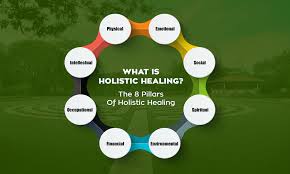



Leave A Comment