

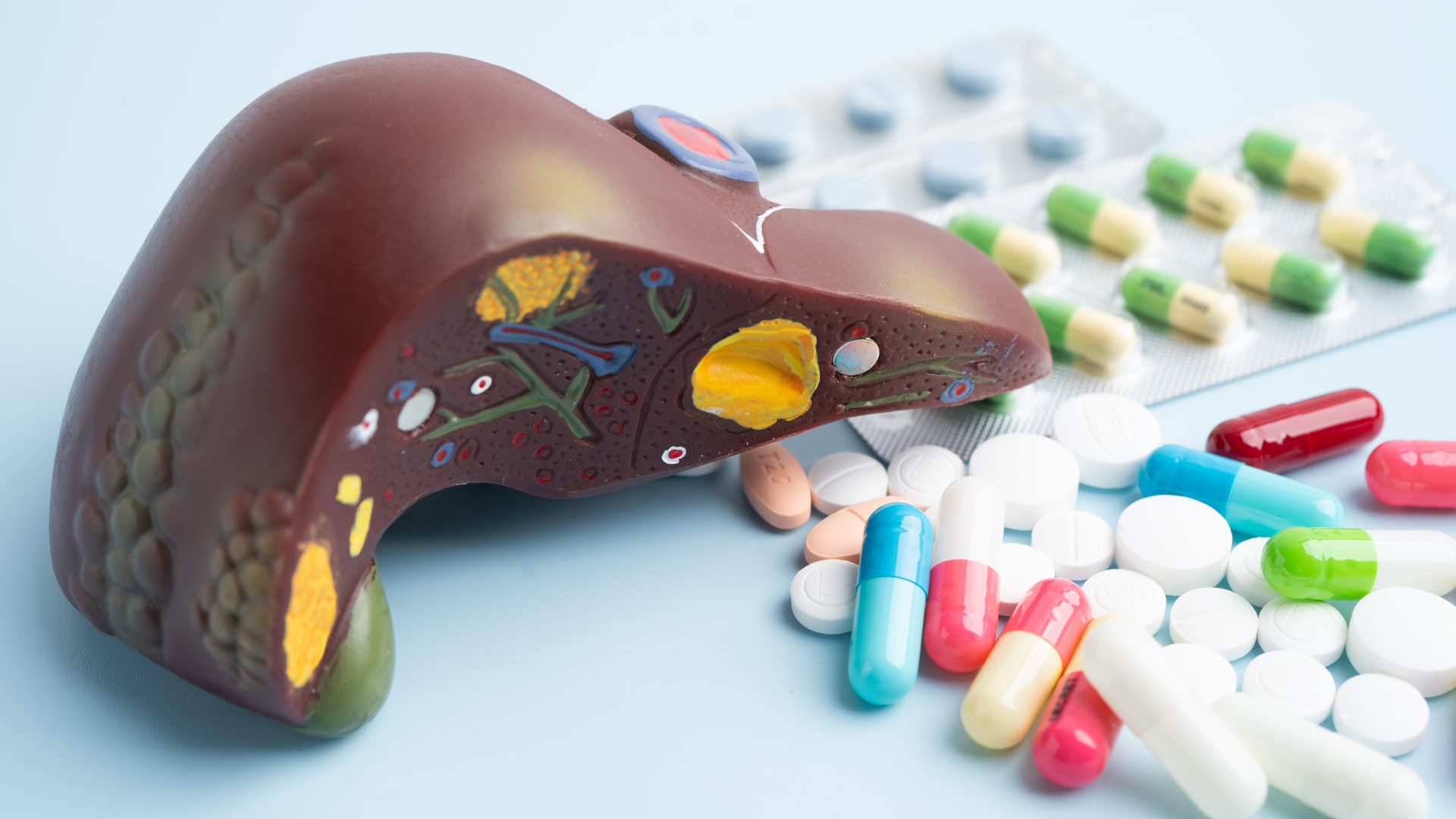
Drug addiction does not start suddenly. It develops slowly, and in the early stages, many signs are ignored or misunderstood. Families often think the person is just stressed, angry, or going through a phase. Because of this delay, addiction becomes stronger and more dangerous over time.
Understanding the early warning signs of drug addiction can help families take action at the right time. Early treatment increases the chances of full recovery and prevents serious damage to health, career, and relationships.
This blog explains the early signs of drug addiction in a simple and normal way, so families can recognize the problem before it becomes severe.
Why Early Identification Is Important
Drug addiction affects the brain, behavior, and emotions. The longer it continues, the harder it becomes to treat.
Early identification helps in:
Preventing serious health problems
Avoiding legal and financial trouble
Reducing emotional damage to the family
Increasing success rate of de-addiction treatment
Ignoring early signs often leads to relapse, depression, or long-term dependency.
1. Sudden Change in Behavior
One of the first signs of drug addiction is a noticeable change in behavior.
You may notice that the person:
Becomes easily irritated or angry
Shows aggressive or defensive behavior
Overreacts to small issues
Loses patience quickly
Earlier, the person may have been calm and understanding, but now they seem restless or unpredictable.
2. Withdrawal from Family and Social Life
A person developing drug addiction often starts avoiding family interactions.
Common signs include:
Staying alone most of the time
Avoiding family gatherings
Eating meals alone or skipping meals
Locking themselves in their room
They may also stop talking openly and become secretive about their activities.
3. Sudden Change in Friend Circle
Drug addiction is often influenced by peer groups.
Warning signs:
Old friends are suddenly replaced by new ones
The person refuses to introduce new friends to family
Frequent late-night outings
Giving vague answers about where they go
A sudden change in social circle without a clear reason should not be ignored.
4. Drop in Work or Study Performance
Addiction affects focus and responsibility.
Early signs include:
Poor performance in studies or job
Frequent absences
Loss of interest in career goals
Complaints from teachers or employers
The person may stop caring about future plans that once mattered to them.
5. Mood Swings and Emotional Instability
Drugs directly affect brain chemistry, leading to emotional imbalance.
You may notice:
Sudden happiness followed by sadness
Depression or anxiety without reason
Lack of motivation
Feeling hopeless or empty
These mood swings may look like stress at first, but when they continue, addiction could be the reason.
6. Physical Changes in the Body
Early physical signs may be mild but noticeable.
Common physical symptoms include:
Red or dull eyes
Sudden weight loss or gain
Poor personal hygiene
Constant tiredness
Sometimes the person may look sick or weak without any clear illness.
7. Change in Sleeping Pattern
Drug addiction disturbs sleep cycles.
Signs include:
Sleeping too much or too little
Staying awake late at night
Difficulty waking up in the morning
Restlessness during sleep
Poor sleep further worsens mental health and behavior.
8. Increased Need for Money
Drug addiction often leads to financial problems.
Early money-related signs:
Asking for money frequently
Giving excuses for expenses
Borrowing money and not returning it
Missing money or valuables at home
The person may become defensive when asked about money.
9. Lying and Making Excuses
Lying becomes common when addiction starts.
You may notice:
False stories about daily activities
Changing statements
Avoiding direct questions
Blaming others for their mistakes
This behavior is not about bad character—it is a sign of dependency.
10. Loss of Interest in Hobbies and Activities
Addiction slowly replaces all interests.
Warning signs:
No interest in sports, music, or hobbies
Ignoring activities they once enjoyed
Lack of excitement or passion
Drugs become the center of their life.
11. Poor Personal Hygiene and Appearance
People struggling with addiction often stop caring about themselves.
Signs include:
Wearing dirty or same clothes repeatedly
Ignoring grooming
Unclean living space
This shows mental and emotional decline.
12. Defensive or Angry Reaction When Questioned
When families try to help, the person may react negatively.
Common reactions:
Anger when asked simple questions
Denying everything
Saying “I can stop anytime”
Blaming stress, work, or people
Denial is a strong symptom of addiction.
13. Isolation and Loneliness
Despite being around people, the person may feel emotionally disconnected.
Signs:
Avoiding eye contact
Staying silent
Showing no emotional bonding
This isolation increases dependency on drugs.
14. Early Health Complaints
Drug use affects the body early on.
Complaints may include:
Headaches
Stomach problems
Nausea
Body pain
These symptoms may appear frequently without medical cause.
15. Why Families Often Ignore These Signs
Families ignore early signs because:
They fear social stigma
They believe it is “just a phase”
They trust the person blindly
They don’t want conflict
Unfortunately, delay makes the situation worse.
What Families Should Do if They Notice These Signs
Stay calm and patient
Do not shout or threaten
Talk openly and with care
Seek professional advice early
Consider counseling or rehab support
Early help does not mean punishment—it means care.
When to Consider a Nasha Mukti Kendra
If multiple signs appear together and continue for weeks or months, professional help is needed.
A Nasha Mukti Kendra provides:
Medical support
Counseling
Structured routine
Emotional healing
Early admission leads to faster and stronger recovery.
Conclusion
Drug addiction does not happen overnight. It starts quietly, showing small signs that are easy to miss. Families who stay alert and informed can save their loved ones from deep addiction.
Recognizing the early signs of drug addiction and taking timely action can protect health, relationships, and future. Addiction is not a failure—it is a condition that can be treated with understanding, support, and professional care.


Leave A Comment