

Introduction
Addiction recovery is no longer limited to alcohol, drugs, smoking, or substance dependencies. In the digital era, another hidden factor affects the mental and physical health of recovering addicts—excessive screen time. Whether it is social media, online gaming, binge streaming, or mobile phone dependency, digital overload contributes to increased stress, emotional instability, and relapse risk.
For people undergoing de-addiction treatment, controlling screen time is becoming as important as controlling substance cravings. The concept of digital detox is now considered a powerful complementary therapy for addiction recovery, especially in 2025, where people spend an average of 6–8 hours a day on screens.
This blog explores how digital detox helps people overcome addiction, why it’s scientifically effective, and how rehab centers are integrating digital detox programs into modern Nasha Mukti care.
What is Digital Detox?
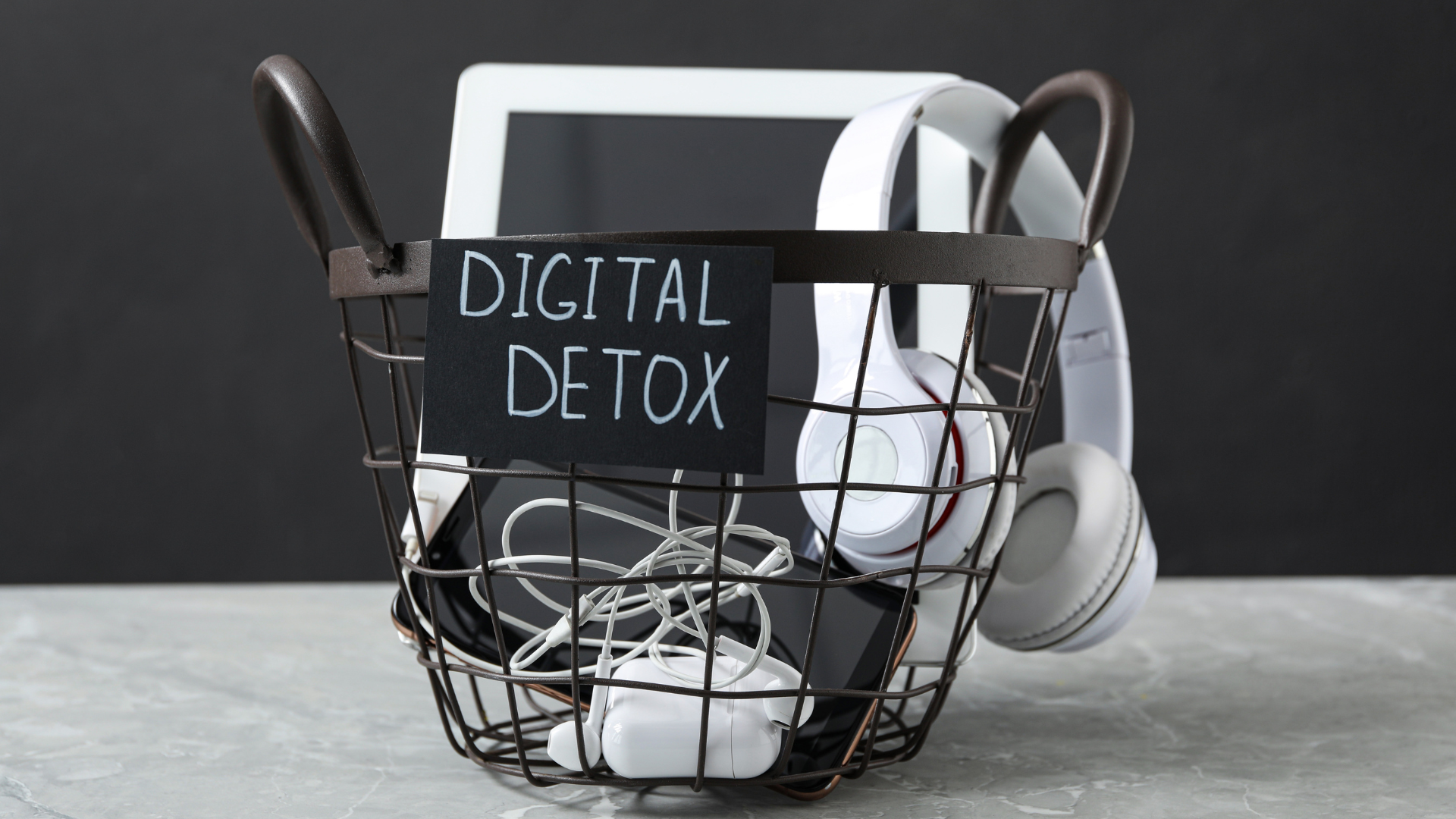
Digital detox refers to temporarily or permanently reducing the use of digital screens—especially smartphones, social media apps, gaming devices, and streaming platforms—to improve mental clarity, emotional regulation, and overall well-being.
For addicts, digital detox means giving the brain space to heal by avoiding the constant bombardment of:
Notifications
Emotional triggers
Social comparison
Overstimulation
Distracting content
This break helps the mind regain balance and reduces dependency on external dopamine sources.
Why Digital Detox Matters in Addiction Recovery
1. Screens Trigger Dopamine – Similar to Drugs & Alcohol
Addiction is deeply connected to dopamine, the brain’s “reward chemical.”
Substances like alcohol and drugs artificially raise dopamine levels.
But many people don’t realize—
Social media, gaming, and entertainment apps also create dopamine spikes.
For recovering addicts, this becomes dangerous because:
It keeps the brain in a reward-seeking loop
It increases impulsive behavior
It can replace one addiction with another
It reduces the brain’s ability to heal naturally
Digital detox gives the dopamine system time to reset.
2. Reduces Anxiety, Stress & Emotional Instability
Recovering addicts are highly sensitive to emotional triggers.
Excessive phone usage increases:
Anxiety
Depression
Restlessness
Overthinking
Sleep disorders
Research in 2025 shows that digital overload disrupts emotional balance, which can lead to cravings and relapse.
Digital detox helps improve:
Emotional stability
Mental clarity
Patience
Self-control
All of which are essential for recovery.
3. Helps Break the Cycle of Overstimulation
Addiction creates a brain condition where constant stimulation becomes normal.
When addicts quit substances, they may unconsciously search for stimulation from:
Social media
Videos
Games
Messaging apps
This overstimulation prevents the brain from calming down.
Digital detox breaks this cycle and supports deep psychological recovery.
4. Improves Sleep Quality – A Must for Healing
Poor sleep is a major reason for relapse.
Screens affect sleep by:
Suppressing melatonin
Causing blue-light overload
Triggering late-night scrolling
Increasing stress hormones
A 7-day digital detox improves:
REM sleep
Mood regulation
Energy levels
Brain healing speed
Better sleep = better recovery.
5. Builds Real-Life Discipline & Mindfulness
Addiction recovery requires self-control.
Digital detox encourages:
Mindfulness
Focus
Purposeful living
Reduced distractions
Better decision-making
This strengthens mental discipline and reduces relapse chances.
How Digital Detox Supports Nasha Mukti Programs
Modern Nasha Mukti Kendras are now adding digital detox sessions to their treatment plans.
1. Tech-Free Zones in Rehab Centers
Patients are encouraged to stay away from:
Phones
Laptops
TV
Gaming devices
These zones improve connection with real life, nature, and group therapy.
2. Scheduled Screen-Free Hours
Most centers now set:
Morning detox (no screens until breakfast)
Evening detox (no screens after 7 PM)
1-day full digital detox per week
This structure helps patients develop stronger routines.
3. Digital Minimalism Training
Patients learn:
How to use phones consciously
How to avoid addictive apps
Healthy social media habits
Setting time limits
Digital boundary-making
These lessons help even after recovery.
4. In-Person Activities to Replace Screens
Rehab programs introduce:
Yoga
Meditation
Music sessions
Art therapy
Gardening
Group sports
Reading hours
These activities heal the mind without digital stimulation.
5. Behavioral Therapy Focused on Digital Habits
Therapists now assess:
Screen addiction
Emotional triggers online
Social comparison issues
Gaming dependency
Online peer influence
This helps create a more personalized recovery plan.
Benefits of Digital Detox During Addiction Recovery
1. Reduced Cravings
When the brain gets less stimulation, it stops demanding artificial pleasure—making cravings weaker.
2. Stronger Emotional Stability
Less screen time leads to:
Reduced anxiety
Better mood
Calmness
Higher patience
All of which are crucial for staying sober.
3. Better Social & Family Connections
Digital detox encourages real-life interactions, improving relationships damaged by addiction.
4. Higher Productivity & Focus
Recovering addicts start focusing on:
Work
Hobbies
Health
Skills development
Their life becomes more purposeful.
5. Higher Success Rate in Rehab
Studies show that patients who follow digital detox:
Recover faster
Have lower relapse rates
Build healthier habits
Feel more confident
Respond better to therapy
How to Start a Digital Detox (Beginner-Friendly Plan)
Here is a structured detox routine for recovering addicts:
Day 1–3: Light Detox
Turn off non-essential notifications
Keep phone away while eating
Limit social media to 30 minutes daily
Day 4–7: Medium Detox
No phone for the first 2 hours after waking
Replace screen time with walking or meditation
No scrolling while lying down
Week 2: Deep Detox
One full no-phone day
3–4 hours daily screen-free block
Avoid YouTube, gaming, Instagram, reels
Week 3: Lifestyle Detox
Use phone only for essential communication
Disable addictive apps
Keep phone outside the bedroom
Start hobbies like reading or drawing
What to Expect During Detox
Withdrawal Symptoms May Include:
Restlessness
Boredom
Anxiety
Urge to check the phone
Mild irritability
These are normal and usually disappear within 5–7 days.
Positive Changes After Detox:
Mental clarity
Emotional balance
Increased self-esteem
Better sleep
Higher motivation
Combining Digital Detox With AI Tools (Modern Balance)
Instead of removing all tech, modern programs suggest intentional usage, such as:
✔ AI-based meditation apps
✔ Habit trackers
✔ Motivational reminders
✔ Online therapy sessions
✔ Digital journals
This ensures technology supports recovery instead of harming it.
Conclusion
Digital detox has become one of the most powerful tools in addiction recovery. For people struggling with drug, alcohol, or behavioral addiction, reducing screen time creates mental space for healing, improves emotional balance, and strengthens self-control.
In 2025, Nasha Mukti programs worldwide are adopting structured digital detox routines to enhance recovery speed and reduce relapse.
A balanced digital lifestyle, combined with therapy, mindfulness, physical activity, and community support, allows individuals to rebuild their lives with clarity, strength, and purpose.




Leave A Comment