

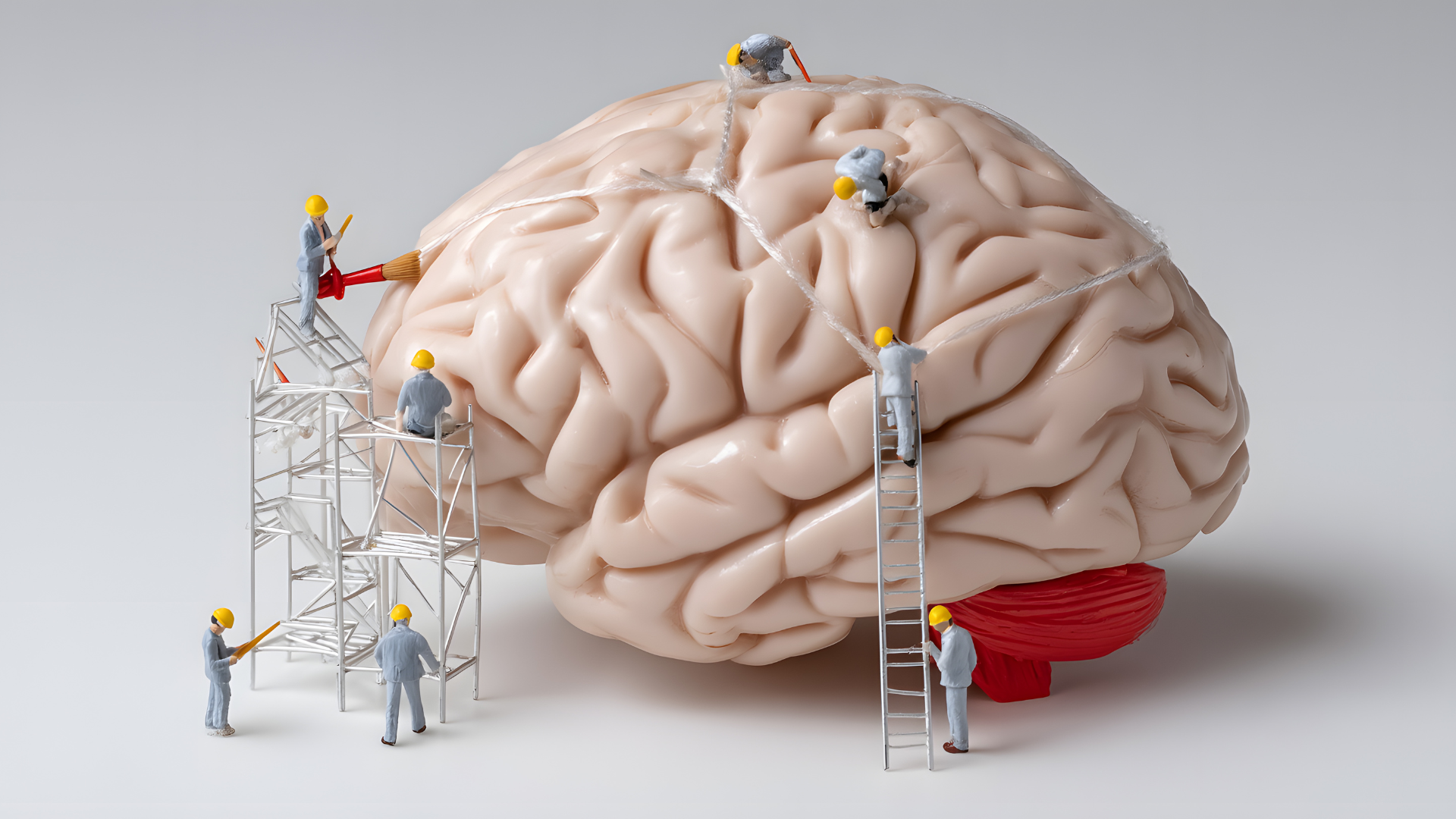
For many people, a Nasha Mukti Kendra is seen only as a place where addiction treatment happens. But in reality, it is much more than that. A professional Nasha Mukti Kendra provides a structured, disciplined, and supportive daily routine that helps individuals slowly move away from addiction and rebuild control over their lives.
Understanding daily life inside a Nasha Mukti Kendra helps remove fear, confusion, and stigma. It also reassures families that recovery is not punishment, but a systematic healing process. This blog explains in detail how a typical day inside a professional Nasha Mukti Kendra looks and how this routine supports long-term recovery.
Why Daily Structure Matters in Addiction Recovery
Addiction destroys routine. Sleep cycles, eating habits, work discipline, and emotional balance all get disturbed. An unstructured lifestyle often becomes a major reason for relapse.
A Nasha Mukti Kendra focuses on:
Restoring daily discipline
Creating healthy habits
Reducing chaos and impulsive behavior
Building responsibility and self-control
A well-planned daily schedule helps the mind and body heal together.
Morning Routine: A Fresh Start Every Day
Early Wake-Up and Personal Hygiene
The day in a Nasha Mukti Kendra usually starts early. Patients are encouraged to wake up at a fixed time. This helps:
Reset the biological clock
Improve sleep quality
Build self-discipline
Personal hygiene and cleanliness are emphasized, helping patients regain self-respect and confidence.
Morning Meditation and Mindfulness
Most professional Nasha Mukti Kendras begin the day with meditation, prayer, or mindfulness practices. These sessions help patients:
Calm the mind
Reduce anxiety
Improve emotional control
Develop self-awareness
Starting the day calmly reduces cravings and emotional instability.
Yoga and Physical Activity
Physical activity is an important part of daily life inside a Nasha Mukti Kendra. Depending on the center, this may include:
Yoga
Stretching exercises
Walking
Light fitness routines
Physical movement helps detoxify the body naturally, improves mood, and reduces restlessness during recovery.
Nutritious Breakfast and Healthy Eating Habits
Substance abuse weakens the body. Professional Nasha Mukti Kendras provide:
Balanced and nutritious meals
Fixed meal timings
Adequate hydration
A healthy breakfast helps stabilize energy levels and supports mental clarity. Patients also learn the importance of proper nutrition in long-term recovery.
Morning Therapy Sessions: Healing the Mind
Individual Counseling
One-on-one counseling sessions are a key part of daily life. These sessions allow patients to:
Talk openly about their struggles
Understand emotional triggers
Work on personal recovery goals
This personalized attention helps address deep-rooted psychological issues.
Group Therapy Sessions
Group therapy is usually conducted in the morning or late morning. In these sessions, patients:
Share experiences
Listen to others’ recovery journeys
Learn coping strategies
Build mutual support
Group therapy reduces loneliness and builds a sense of belonging, which is essential for recovery.
Educational and Awareness Sessions
Professional Nasha Mukti Kendras educate patients about:
The science of addiction
Effects of alcohol and drugs on the body
Relapse warning signs
Stress management techniques
These sessions help patients understand addiction as a disease, not a moral failure. Knowledge empowers patients to make better decisions.
Midday Routine: Balance and Stability
Lunch and Rest Time
After therapy and learning sessions, patients have lunch followed by rest time. Adequate rest helps:
Restore physical energy
Reduce irritability
Improve focus
Proper rest also supports emotional healing.
Medical Check-Ups and Monitoring
For patients in early recovery, medical supervision is essential. Daily or regular monitoring includes:
Checking withdrawal symptoms
Managing medications if prescribed
Ensuring physical stability
This medical support ensures safety and comfort during recovery.
Afternoon Activities: Skill Building and Engagement
Recreational Activities
Recovery is not only about seriousness. Professional Nasha Mukti Kendras include recreational activities such as:
Indoor games
Creative activities
Music or art therapy
Reading and writing
These activities help patients rediscover joy without substances and reduce boredom-related cravings.
Life Skills and Behavior Training
Many centers include sessions focused on:
Anger management
Communication skills
Problem-solving
Time management
These skills prepare patients for real-life challenges after leaving the center.
Evening Routine: Reflection and Emotional Support
Evening Group Meetings
Evening group sessions often focus on:
Reflecting on the day
Sharing emotional experiences
Discussing cravings or challenges
This reflection helps patients process emotions before the day ends, reducing mental stress.
Family Interaction (Where Allowed)
Some Nasha Mukti Kendras allow supervised family interaction. This helps:
Rebuild trust
Strengthen emotional bonds
Motivate patients
Family involvement plays a major role in long-term recovery.
Dinner and Night Routine
Dinner is served at a fixed time, reinforcing routine and discipline. After dinner, patients usually engage in:
Light discussions
Reading
Relaxation exercises
Late-night substance cravings are common, so calm evening routines help manage them effectively.
Sleep and Rest
Adequate sleep is essential for mental healing. Fixed sleep timings help:
Improve brain function
Reduce anxiety
Stabilize mood
Over time, patients experience better sleep quality naturally.
Emotional Environment Inside a Professional Nasha Mukti Kendra
A professional Nasha Mukti Kendra provides a non-judgmental and supportive environment. Patients are treated with dignity and respect.
Key elements include:
Confidentiality
Empathy from staff
Encouragement instead of punishment
Clear rules with compassionate enforcement
This environment helps patients feel safe and motivated.
Discipline Without Harshness
Discipline is necessary, but professional centers avoid harsh treatment. Rules are designed to:
Build responsibility
Encourage consistency
Protect patients’ well-being
Healthy discipline teaches patients how to live a balanced life after recovery.
How Daily Life Supports Long-Term Recovery
The daily routine inside a Nasha Mukti Kendra helps patients:
Develop healthy habits
Reduce impulsive behavior
Build emotional resilience
Learn self-control
Gain confidence
These changes remain even after treatment ends.
Common Fears About Life Inside a Nasha Mukti Kendra
Many people fear isolation, strictness, or judgment. In reality, professional centers focus on:
Care, not punishment
Healing, not force
Support, not shame
Understanding daily life removes unnecessary fear and hesitation.
Difference Between Professional and Unprofessional Centers
A professional Nasha Mukti Kendra ensures:
Trained staff
Structured daily routine
Medical and psychological care
Ethical treatment
Unprofessional centers often lack structure, increasing the risk of relapse.
Life After Leaving the Nasha Mukti Kendra
The habits built during daily life inside the center help patients:
Maintain sobriety
Manage stress
Handle responsibilities
Reintegrate into society
Recovery continues, but the foundation remains strong.
Conclusion
Daily life inside a professional Nasha Mukti Kendra is carefully designed to heal both the body and the mind. Through structured routines, therapy, discipline, and emotional support, patients slowly regain control over their lives.
It is not a place of punishment, but a space for transformation, self-discovery, and healing. The daily routine plays a powerful role in helping individuals move from addiction toward a healthier, more stable, and meaningful future.





Leave A Comment