

Introduction
When a person who regularly drinks alcohol suddenly reduces or stops drinking, the body reacts. This reaction is called alcohol withdrawal. Withdrawal happens because the brain and body have become used to alcohol and struggle to function normally without it.
Withdrawal symptoms can be:
Mild
Moderate
Severe (in rare cases)
Understanding these symptoms and managing them safely is crucial for a smooth alcohol-free recovery.
This complete 2025 guide will explain:
Why withdrawal happens
Types of symptoms
How long they last
What you should do and avoid
Natural & Ayurvedic remedies
When medical help is necessary
Let’s begin.
Why Alcohol Withdrawal Happens (The Science)
Alcohol affects the brain’s chemical balance — especially GABA (relaxing chemical) and Glutamate (excitement chemical).
When you drink regularly:
GABA increases → you feel relaxed
Glutamate decreases → you feel calm
The brain gets used to this artificial balance.
When you stop drinking suddenly:
GABA drops → anxiety starts
Glutamate rises → restlessness begins
This imbalance creates withdrawal symptoms.
Types of Alcohol Withdrawal Symptoms
Withdrawal symptoms are divided into three categories:
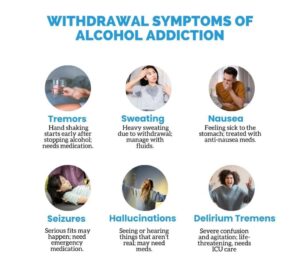
1. Mild Withdrawal Symptoms (Most Common)
These appear within 6–12 hours of stopping alcohol.
Symptoms:
Headache
Irritation
Anxiety
Restlessness
Sweating
Nausea
Rapid heartbeat
Low mood
Poor sleep
Trembling hands
Mild cravings
These are normal and usually manageable at home.
2. Moderate Withdrawal Symptoms
These appear within 12–48 hours.
Symptoms:
Shaking
High anxiety
Vomiting
Heavy sweating
Strong cravings
High blood pressure
Difficulty concentrating
Mood swings
These should be monitored closely.
3. Severe Withdrawal Symptoms (Rare but Serious)
Called Delirium Tremens (DTs).
These appear after 48–72 hours.
Symptoms:
Hallucinations (seeing/hearing things)
High fever
Confusion
Rapid heartbeat
Seizures
Serious dehydration
Extreme agitation
This is a medical emergency.
How Long Do Withdrawal Symptoms Last? (Timeline)
6–12 hours
Mild symptoms begin
Headache, irritability, sweating
24–48 hours
Symptoms peak
Cravings, anxiety, restlessness
48–72 hours
Moderate symptoms reduce
Rarely DTs appear
Day 4–7
Majority of symptoms disappear
Sleep improves
Cravings reduce
Week 2–4
Psychological symptoms remain
(Irritation, mood swings, cravings)
Month 2–3
Brain chemistry becomes normal
Cravings drop dramatically
This timeline varies person to person.
Safe Ways to Handle Alcohol Withdrawal at Home
These natural, Ayurvedic, and lifestyle methods help manage symptoms smoothly.
1. Hydration Therapy (Most Important)
Dehydration increases withdrawal symptoms.
Drink:
3–4 litres water
Coconut water
ORS
Lemon water
Herbal tea
Hydration reduces:
Headache
Cravings
Anxiety
Restlessness
2. Eat Light, Nutritious Food
Withdrawal increases weakness.
Eat foods that soothe the stomach:
Khichdi
Oats
Bananas
Boiled vegetables
Soups
Curd
Fruits
Avoid heavy meals.
3. Sleep Support (Fix Insomnia)
Poor sleep increases withdrawal symptoms.
Try:
Warm milk
Chamomile tea
Deep breathing
Meditation
Light music
Good sleep = fast recovery.
4. Ayurvedic Herbs for Withdrawal Relief
These herbs naturally reduce symptoms:
Ashwagandha
Reduces anxiety and stress.
Brahmi
Improves sleep and calms mind.
Giloy
Detoxifies body and reduces inflammation.
Shankhpushpi
Controls restlessness and irritation.
Jatamansi
Helps in deep sleep and emotional balance.
Triphala
Improves digestion during withdrawal.
Nasha Mukti Drops
Blend of herbs that reduce cravings and withdrawal.
These herbs are safe and non-addictive.
5. The 4-7-8 Breathing Technique (Immediate Relief)
This technique relaxes the nervous system.
Steps:
Inhale for 4 seconds
Hold for 7 seconds
Exhale for 8 seconds
Repeat 6–10 times.
Helps with:
Anxiety
Palpitations
Restlessness
Cravings
6. Warm Showers
Warm water relaxes body muscles and reduces:
Sweating
Restlessness
Tension
Anxiety
A simple but powerful method.
7. Avoid Triggers Completely
Avoid:
Drinking friends
Parties
Old drinking spots
Drinking glassware
Negative emotions
Your brain needs a break from all triggers.
8. Stay Busy (Distraction Method)
Cravings and withdrawal increase when mind is empty.
Do:
Light walking
Watching videos
Talking to someone
Listening to music
Cleaning
Reading
Engage your mind — reduce your symptoms.
9. Take Small Frequent Meals
Withdrawal increases acidity and nausea.
Eating small meals keeps digestion smooth.
Eat every 3–4 hours:
Fruits
Nuts
Snacks
Dal rice
Khichdi
This stabilizes blood sugar and reduces cravings.
10. Keep a Support Person
Having someone to talk to reduces:
Anxiety
Loneliness
Fear
Emotional stress
Even one close person is enough.
What NOT To Do During Withdrawal
Avoid these at all costs:
1. Don’t stop drinking suddenly if you drink heavily.
Reduce slowly or consult a doctor.
2. Don’t isolate yourself.
Withdrawal becomes harder.
3. Don’t drink coffee or energy drinks.
They increase anxiety.
4. Don’t stay hungry.
Low sugar → Strong cravings.
5. Don’t stay in your drinking spot.
Triggers will increase symptoms.
6. Don’t overthink.
It intensifies withdrawal.
7. Don’t take sleeping pills on your own.
Unsafe without medical supervision.
When to Seek Medical Help
You must see a doctor if you experience:
Hallucinations
High fever
Chest pain
Severe vomiting
Confusion
Seizures
Extreme agitation
Very high heartbeat
These may indicate severe withdrawal.
How to Prepare Mentally for Withdrawal
Mindset matters.
Say to yourself:
“Withdrawal is temporary — freedom is permanent.”
“Cravings last minutes — health lasts forever.”
Confidence reduces symptoms.
How to Avoid Relapse After Withdrawal
✔ Follow nutrition plan
✔ Sleep well
✔ Exercise 20 mins
✔ Continue herbal support
✔ Avoid triggers
✔ Stay hydrated
✔ Keep yourself busy
✔ Stay around supportive people
Withdrawal is just the beginning —
the real journey is staying alcohol-free.
Conclusion
Alcohol withdrawal is challenging but 100% manageable with the right approach. Most symptoms last only a few days and can be safely controlled with hydration, herbs, nutrition, rest, and emotional support.
Remember:
Withdrawal is a sign of healing, not suffering.
Your body is cleansing itself to rebuild a better you.
Stay strong.
Stay consistent.
You are closer to freedom than you think.

Leave A Comment