

Alcohol vs. Drug Addiction: Treatment Approaches at Nagpur’s Rehabilitation Centres
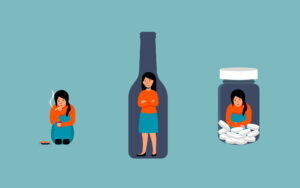
Addiction is one of the most pressing health issues in modern society. Whether it is alcohol dependence or drug abuse, both destroy not only the individual’s health but also relationships, careers, and peace of mind. In Nagpur, like in many parts of India, families often struggle in silence, unsure of how to help their loved ones.
Thankfully, Nashamukti Kendras in Nagpur (de-addiction and rehabilitation centres) provide structured treatment for both alcohol and drug addiction. While these two conditions share similarities, the treatment approaches differ significantly because the substances affect the brain, body, and behavior in unique ways.
In this blog, we’ll explore the differences between alcohol and drug addiction, the treatment methods used in Nagpur’s rehabilitation centres, and how these approaches are helping people rebuild their lives.
Understanding Alcohol Addiction
Alcohol addiction, or Alcohol Use Disorder (AUD), is one of the most common forms of substance abuse in India. What often begins as casual drinking at social events slowly escalates into dependency, where the individual feels unable to function without alcohol.
Signs of Alcohol Addiction:
Daily or frequent drinking despite consequences
Loss of control over intake
Blackouts or memory loss after drinking
Strained family and work relationships
Withdrawal symptoms like shaking, sweating, anxiety, or insomnia
Alcohol addiction in Nagpur is prevalent among working professionals, business owners, students, and even homemakers.
Understanding Drug Addiction
Drug addiction, or Substance Use Disorder (SUD), is dependency on harmful substances such as opioids, cannabis, cocaine, or even prescription medications. Compared to alcohol, drug addiction often has faster and more severe impacts on mental and physical health.
Signs of Drug Addiction:
Increased tolerance and need for higher doses
Secretive or risky behavior
Rapid changes in mood, energy, and sleep patterns
Neglect of responsibilities and relationships
Physical deterioration such as weight loss, infections, or skin issues
In Nagpur, youth and young adults are particularly vulnerable to drug addiction due to peer pressure, stress, and easy access to substances.
Alcohol vs. Drug Addiction: Key Differences
While both alcohol and drug addictions are life-threatening, they affect the body and treatment approaches differently.
| Aspect | Alcohol Addiction | Drug Addiction |
|---|---|---|
| Accessibility | Legally available, socially accepted | Often illegal, secretive use |
| Onset | Can develop slowly over years | Can develop quickly, sometimes within months |
| Physical Impact | Liver damage, heart disease, neurological issues | Brain damage, respiratory problems, overdose risks |
| Withdrawal | Sweating, anxiety, seizures, tremors | Severe cravings, depression, nausea, body pain |
| Social Impact | Family strain, job loss, accidents | Criminal charges, social stigma, isolation |
Because of these differences, rehabilitation centres in Nagpur design specific programs for each type of addiction.
Treatment Approaches for Alcohol Addiction at Nashamukti Kendra Nagpur
1. Medical Detox
Patients undergo a carefully monitored detox process where alcohol is removed from the body. Doctors use medications to manage withdrawal symptoms such as seizures, anxiety, and tremors.
2. Medication-Assisted Therapy
Drugs like Disulfiram discourage alcohol consumption by causing adverse reactions when alcohol is consumed.
Naltrexone reduces cravings and helps prevent relapse.
3. Individual Counseling
Therapists address the root psychological triggers behind drinking—such as stress, trauma, or low self-esteem.
4. Group Therapy
Group sessions encourage patients to share struggles, build motivation, and develop social support networks.
5. Family Counseling
Since alcohol addiction often damages trust at home, family therapy helps restore relationships and educates loved ones on how to support recovery.
6. Lifestyle Therapy
Yoga, meditation, and fitness routines are included to rebuild physical strength and mental balance.
Treatment Approaches for Drug Addiction at Nashamukti Kendra Nagpur
1. Medical Detoxification
Drug detox is often more complex than alcohol detox. Patients are monitored closely as withdrawal symptoms may be severe, including body pain, nausea, hallucinations, or seizures.
2. Medication Support
Methadone, Buprenorphine, or Naltrexone are used in opioid addiction recovery.
Anti-anxiety and antidepressant medications are sometimes prescribed to stabilize mental health.
3. Behavioral Therapy
Cognitive Behavioral Therapy (CBT): Helps patients identify negative thinking and replace it with healthier coping mechanisms.
Contingency Management Therapy: Rewards positive behavior like staying drug-free.
4. Psychiatric Care
Since drug addiction is often linked with depression, anxiety, or schizophrenia, psychiatric evaluation and treatment play a vital role.
5. Skill Development & Rehabilitation
To prevent relapse, drug rehabilitation centres in Nagpur focus on career-building, education, and vocational training so patients can rebuild a stable life.
Alcohol vs. Drug Addiction: Treatment Challenges
Challenges in Alcohol Addiction Treatment
Social acceptance makes relapse easier (alcohol is everywhere).
Many patients deny their addiction since drinking is “normal.”
Health issues like liver cirrhosis require lifelong management.
Challenges in Drug Addiction Treatment
Severe withdrawal symptoms make recovery harder.
Legal issues and stigma create barriers to seeking help.
Relapse risk is higher due to strong cravings.
The Role of Counseling and Therapy
At Nashamukti Kendras in Nagpur, counseling is the backbone of both alcohol and drug treatment programs.
Individual Therapy: Helps patients discover root causes of addiction.
Group Therapy: Encourages peer support and motivation.
Family Therapy: Restores broken trust and strengthens support systems.
Mindfulness and Yoga: Builds resilience and emotional balance.
Life After Rehabilitation
Recovery doesn’t end after leaving a centre. Nagpur’s rehabilitation centres offer aftercare programs to prevent relapse:
Regular follow-up counseling
Community support groups
Workshops on stress management
Relapse prevention strategies
This aftercare ensures that patients can handle real-world temptations and lead addiction-free lives.
Real-Life Success Stories from Nagpur
A 40-year-old businessman overcame alcohol addiction after 15 years of dependency. Today, he runs a successful firm and mentors others in recovery.
A 23-year-old student from Nagpur recovered from heroin addiction through a six-month rehab program and is now pursuing higher education abroad.
A housewife in her 50s defeated her dependence on prescription drugs and now actively supports women in recovery groups.
These stories prove that with the right treatment, recovery is possible at any stage of life.
Why Choose Nagpur for De-Addiction Treatment?
Central Location – Easily accessible for patients from Maharashtra, MP, and Chhattisgarh.
Affordable Care – Treatment costs are lower compared to metro cities.
Skilled Professionals – Experienced doctors, therapists, and counselors.
Holistic Healing – Focus on both physical and mental recovery.
Supportive Community – Family-inclusive programs strengthen recovery.
Final Thoughts
Whether it’s alcohol or drug addiction, both are devastating if left untreated. However, treatment approaches differ significantly, and Nagpur’s rehabilitation centres are well-equipped to handle both.
While alcohol recovery focuses more on managing cravings and social reintegration, drug addiction recovery requires intensive detox, psychiatric care, and skill-building programs.
The message is clear: Addiction is not the end—it’s a challenge that can be overcome with the right support. Nagpur’s Nashamukti Kendras stand as beacons of hope, guiding individuals from dependency to dignity.
If you or your loved one is struggling with addiction, remember—help is available, recovery is possible, and a new life awaits.



Leave A Comment