

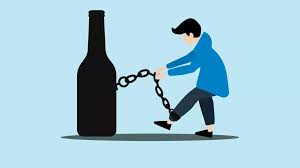
Alcohol addiction is one of the most common forms of substance dependence worldwide. What may start as casual drinking with friends or to relieve stress can slowly become a strong habit, and eventually, a physical and psychological dependency. Alcohol addiction does not only affect the drinker — it deeply affects the family, career, social life, health, and overall quality of life.
A Nasha Mukti Kendra (De-Addiction Centre) plays a crucial role in helping individuals recover from alcohol addiction through medical detox, counseling, therapy, and lifestyle rehabilitation.
This blog explains the main causes, harmful effects, and evidence-based treatment for alcohol addiction.
What is Alcohol Addiction?
Alcohol addiction (also called Alcohol Use Disorder or AUD) is a medical condition where a person:
Cannot control drinking
Feels strong cravings for alcohol
Develops tolerance (needs more alcohol for the same effect)
Experiences withdrawal symptoms when not drinking
This means addiction is not a lack of willpower — it is a brain disorder that requires treatment, guidance, and support.
Causes of Alcohol Addiction
Alcohol addiction develops due to a combination of factors. Understanding them helps in choosing the right treatment approach.
1. Stress and Emotional Pressure
People sometimes drink to escape:
Work pressure
Financial stress
Relationship problems
Loneliness
Alcohol provides temporary relief, but gradually becomes a dependency.
2. Social Influence
Friends, colleagues, or social environments where drinking is common can push individuals into regular alcohol use. Over time, this habit becomes addiction.
3. Family & Genetics
If addiction exists in the family, there is a greater chance of developing similar habits due to genetic and behavioral inheritance.
4. Psychological Issues
People suffering from:
Anxiety
Depression
Trauma
Low self-confidence
may use alcohol to numb emotional pain.
This is known as self-medication, which often leads to addiction.
5. Easy Availability
Alcohol is legal and easily available, which makes it more likely for individuals to slip into dependency without realizing the damage.
Effects of Alcohol Addiction
Alcohol addiction harms physical health, mental well-being, relationships, and financial stability.
1. Physical Health Damage
Liver Damage (Cirrhosis, Fatty liver disease)
Heart Problems (High blood pressure, heart failure)
Brain Damage (Memory loss, weak focus)
Weak Immune System
Digestive Issues
The longer the addiction continues, the harder the body struggles to recover.
2. Mental and Emotional Effects
Depression and anxiety
Mood swings and anger
Psychological dependence
Loss of motivation and purpose
Feeling of guilt and helplessness
Mental health is often more affected than physical health.
3. Impact on Family & Relationships
Alcohol addiction causes:
Arguments and misunderstanding
Loss of trust
Emotional distance
Domestic violence in some cases
Sadness, stress, and fear inside the family
Families suffer silently until treatment begins.
4. Financial Damage
Loss of job or reduced performance
Spending a large amount on alcohol
Medical bills due to health issues
Family financial imbalance
Addiction slowly destroys financial stability.
Symptoms of Alcohol Addiction
Signs that indicate addiction:
Drinking more frequently and in larger amounts
Hiding alcohol use
Drinking alone
Irritation when alcohol is unavailable
Ignoring family, work, or responsibilities
Memory gaps (blackouts)
If these signs are present, professional help is needed immediately.
Treatment for Alcohol Addiction in Nasha Mukti Kendra
Rehabilitation centers provide structured and medically supervised treatment for long-lasting recovery.
1. Medical Detoxification
The first step is removing alcohol from the body safely.
Managed by doctors
Reduces withdrawal symptoms
Prevents medical risks
Detox must be done in a rehab center, not at home.
2. Counseling and Psychotherapy
Professional counseling helps:
Identify emotional triggers
Heal past trauma
Build confidence
Control cravings
Develop positive thinking
Therapies used include:
Cognitive Behavioral Therapy (CBT)
Motivational Enhancement Therapy
Group Support Therapy
3. Lifestyle & Routine Rebuilding
Rehab centers teach:
Daily discipline
Yoga, meditation, exercise
Healthy sleep cycle
Productive task planning
A stable routine reduces the chances of relapse.
4. Family Counseling
Family support is essential for permanent recovery.
Rehab programs help families:
Forgive past actions
Support the patient with patience
Rebuild trust and understanding
5. Relapse Prevention Training
Even after recovery, cravings may return.
Rehabilitation centers teach:
How to avoid triggers
How to handle emotional stress
How to stay strong mentally
This ensures long-term sobriety.
Life After Recovery
Recovery is not just about stopping alcohol.
It’s about:
Regaining self-respect
Restoring family relationships
Rebuilding career and life goals
Living with dignity and purpose
A recovered person can lead a healthy, joyful, and successful life with the right support.
Conclusion
Alcohol addiction is serious, but it is treatable.
No one should feel ashamed of seeking help.
A Nasha Mukti Kendra provides:
✅ Safe medical detox
✅ Counseling and emotional healing
✅ Healthy routine and lifestyle support
✅ Training to prevent relapse
✅ Renewed hope for life
Choosing treatment is the strongest decision, not a weakness.
Recovery is possible — one step at a time.


Leave A Comment