

The Foundation of Casino Games: Luck vs. Skill
The debate surrounding the roles of luck and skill in casino games has long intrigued both players and researchers. At its core, luck refers to the random chance outcomes that can occur in any given game, while skill denotes the player’s ability to make decisions that can influence those outcomes. For instance, in games such as slots, luck is the predominant factor, as they rely on random number generators to determine wins or losses. Conversely, in games like poker or blackjack, players can utilize their strategic thinking and experience to improve their odds of winning, showcasing the importance of skill, especially when considering options like fast paypal withdrawal casino that can enhance the overall gaming experience.
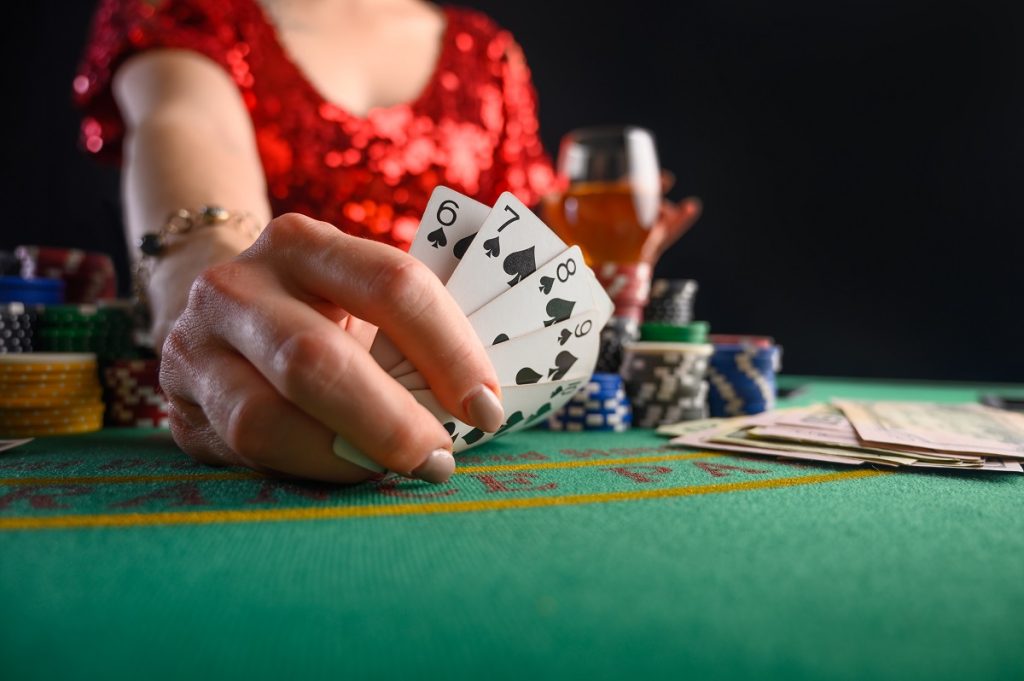
Understanding the balance between these two elements is crucial for any player aiming to enhance their gaming experience. For example, in games of pure chance, players may experience streaks of good fortune or unfortunate losses, leaving them at the mercy of randomness. However, in skill-based games, the more a player practices and learns the nuances of the game, the better their chances of success become. This fundamental difference impacts not only how players approach various games but also the strategies they employ during play.
Additionally, the perception of luck versus skill can influence a player’s behavior and mindset when engaging with different kinds of casino games. Players may feel empowered when they exhibit skill in strategy-based games, while they may also experience frustration in games dominated by luck. This psychological aspect is essential for understanding player satisfaction and game longevity, as players often seek a sense of agency or control over their gaming outcomes.
The Role of Skill in Strategic Casino Games
In strategic games like poker, players must rely on their ability to read opponents, understand probabilities, and make calculated decisions. Skill plays a critical role in determining the outcome, as seasoned players can recognize betting patterns and exploit weaknesses in their competitors. For instance, a skilled poker player may choose to bluff at the right moment, creating doubt in opponents and gaining an upper hand despite potentially having a weaker hand. This strategic maneuver showcases the impact of knowledge and experience on game outcomes and highlights how crucial it is to develop these skills through practice.
Moreover, card games such as blackjack further illustrate how skill influences player success. Players can employ various strategies, such as card counting, to shift the odds slightly in their favor. This technique requires a deep understanding of the game’s mechanics and mathematical probabilities. Therefore, while luck will always play a part in the draw of the dealer’s cards, a skilled player can significantly enhance their chances of winning through informed decision-making and experience. The ability to adapt to changing situations during gameplay can set apart novice players from seasoned veterans.
In conclusion, skill-based games not only offer players the thrill of competition but also create opportunities for mastery over time. Players often gravitate towards these games as they seek to develop their skills, challenge their cognitive abilities, and increase their potential for success. The allure of outsmarting opponents through strategy fosters a unique bond between players and the games, reinforcing the significance of skill in the casino environment. As players invest time and effort into honing their skills, they often find increased satisfaction and enjoyment in their gaming experiences.
The Impact of Luck in Chance-Based Casino Games
Chance-based games, such as roulette and slots, are quintessential examples of where luck reigns supreme. These games are designed to deliver outcomes that are purely random, with players having minimal to no control over the results. For example, in roulette, players place bets on numbers or colors, but the outcome entirely depends on where the ball lands. This aspect makes these games highly appealing to those seeking immediate excitement without the need for significant strategic planning. The thrill of watching the wheel spin adds an extra layer of excitement that draws players in.
Luck plays a fundamental role in the experience of these chance-based games, creating an atmosphere of suspense and unpredictability. A player may enjoy a fortunate streak, hitting jackpots or wins that exceed their expectations, purely due to luck. However, the ephemeral nature of such wins also introduces the potential for significant losses, which can sometimes lead to a cycle of chasing losses. This relationship with luck emphasizes how the randomness of outcomes can significantly influence a player’s experience and satisfaction. Players often feel a rush of adrenaline when they hit a winning combination, reinforcing the allure of games based on chance.
While luck is a major factor in these games, psychological aspects also come into play. Players often attribute their wins to a “lucky streak” or specific rituals they engage in before playing. Such beliefs can enhance the thrill of the game, even when outcomes remain purely random. Thus, while the odds may not shift based on player skill, the role of luck provides an engaging and often exhilarating experience for players who enjoy the serendipitous nature of gambling. This psychological connection can make players feel more invested in the outcome, despite the lack of control.
The Balance Between Luck and Skill: Strategic Game Selection
Understanding the balance between luck and skill is essential for players looking to optimize their gaming experiences. Players should assess their personal strengths and preferences when choosing which games to play. For example, those who prefer analytical thinking and strategic planning might gravitate towards poker or blackjack, where skill heavily influences outcomes. In contrast, players seeking simplicity and excitement might opt for slots or roulette, understanding that the outcomes depend primarily on luck. This choice can significantly affect their overall enjoyment and success while gambling.
This balance also affects how players approach their gaming sessions financially. Players who prefer skill-based games often set budgets that allow for strategic play over time, leveraging their skills to make the most of their bankroll. On the other hand, gamblers playing chance-based games may choose to treat their session more as entertainment, willing to spend on the thrilling unpredictability of luck. Recognizing these different approaches can enhance the enjoyment of the gaming experience, aligning player expectations with likely outcomes. A clear understanding of their gaming style can lead to more responsible gambling habits.
Ultimately, successful casino gaming often involves a thoughtful consideration of one’s strengths and preferences. By balancing the elements of luck and skill, players can engage more meaningfully with their chosen games, whether they seek excitement in chance or a challenge in skill-based experiences. This understanding fosters informed gaming decisions and enhances overall satisfaction, allowing players to enjoy their time while minimizing the risks associated with gambling.
Empowering Gamblers: Resources and Community Engagement
For those seeking a deeper understanding of the dynamics between skill and luck in casino games, there are numerous resources available. Online forums, blogs, and educational websites offer insights and strategies tailored to different gaming experiences. Engaging with these platforms can provide valuable information, including tips on improving skills in strategic games or understanding the odds in chance-based games. Such resources empower players to make more informed decisions while maximizing their enjoyment of casino offerings. Connecting with knowledgeable individuals can also enhance players’ understanding of the games they choose to play.
Furthermore, many casinos and gaming establishments also facilitate opportunities for players to enhance their skills through workshops and training sessions. These events can introduce players to various strategies, help build a community of like-minded individuals, and create a supportive environment for skill development. Networking with fellow players can enhance players’ understanding of games, as shared experiences and insights can lead to improved strategies and performance. This sense of community can make the gaming experience more enjoyable and fulfilling.
In conclusion, understanding the interplay between luck and skill in casino games enhances not only individual gameplay but also contributes to a more enriching gaming community. By seeking knowledge and engaging with resources, players can harness their abilities while remaining aware of the unpredictable nature of luck. This dual awareness fosters more enjoyable and responsible gaming experiences, ultimately shaping personal growth and community connections. The journey of learning and improving can be just as rewarding as the game itself, creating a more profound appreciation for the craft of gaming.

