

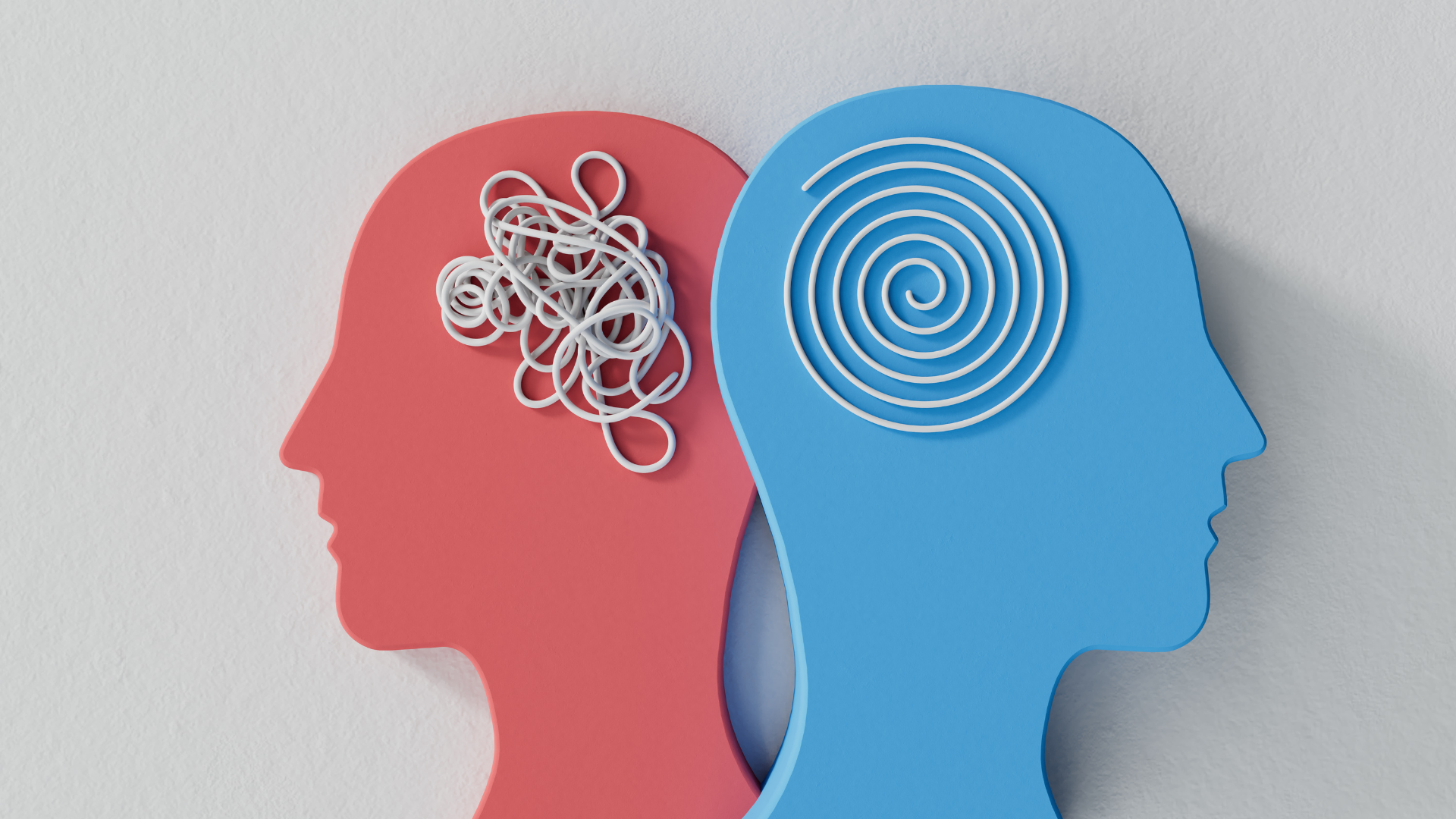
Addiction is not only a physical dependence on alcohol or drugs—it is deeply connected to the mind, emotions, and behavior. Many people believe that once detox is complete, recovery is achieved. In reality, detox is only the beginning. Without addressing the psychological reasons behind addiction, the chances of relapse remain very high.
This is why psychological counseling is the backbone of effective treatment in Nasha Mukti Centers. It helps individuals understand themselves, heal emotional wounds, change behavior, and build a stable, addiction-free life. This blog explains in detail why psychological counseling matters so much, how it works, and how it supports long-term recovery.
Understanding the Psychological Side of Addiction
Addiction often develops as a response to emotional or mental struggles, such as:
Stress and pressure
Anxiety or depression
Trauma or past abuse
Loneliness or low self-esteem
Relationship or family conflicts
Substances temporarily reduce emotional pain, but over time they create dependency. If treatment focuses only on stopping substance use and ignores the mind, the root cause remains untreated.
Psychological counseling directly addresses these hidden causes.
What Is Psychological Counseling in a Nasha Mukti Center?
Psychological counseling is a structured, professional process conducted by trained psychologists or counselors. It helps patients:
Understand why addiction started
Identify emotional triggers
Change negative thought patterns
Develop healthy coping mechanisms
Improve emotional stability
Counseling provides a safe, confidential space where individuals can speak openly without fear of judgment.
Why Psychological Counseling Is Essential in De-Addiction
1. Treats the Root Causes, Not Just the Symptoms
Alcohol or drugs are often symptoms of deeper emotional pain. Counseling helps patients:
Explore unresolved trauma
Process suppressed emotions
Understand stress patterns
When the root causes are healed, recovery becomes long-lasting.
2. Helps Manage Cravings and Triggers
Cravings are often psychological rather than physical. Counseling teaches patients to:
Identify personal triggers
Understand craving patterns
Respond calmly instead of impulsively
This reduces the risk of relapse significantly.
3. Improves Emotional Regulation
Addiction weakens emotional control. Patients may experience:
Anger outbursts
Mood swings
Anxiety
Hopelessness
Psychological counseling helps individuals regulate emotions in a healthy way, without substances.
4. Builds Self-Awareness and Accountability
Counseling encourages self-reflection. Patients learn to:
Take responsibility for actions
Recognize harmful behavior
Accept the need for change
Self-awareness is a key foundation of recovery.
Types of Psychological Counseling Used in Nasha Mukti Centers
Individual Counseling
One-on-one sessions allow patients to discuss personal struggles privately. This helps with:
Deep emotional healing
Trust-building
Personalized recovery planning
Individual counseling is essential for addressing sensitive issues.
Group Counseling
Group counseling brings patients together to share experiences. Benefits include:
Feeling less alone
Learning from others
Gaining motivation
Group sessions create emotional support and accountability.
Cognitive Behavioral Therapy (CBT)
CBT is one of the most effective therapies in addiction treatment. It helps patients:
Identify negative thought patterns
Replace harmful beliefs
Change addictive behavior
CBT empowers patients to control thoughts and actions.
Motivational Counseling
Some individuals feel confused or unmotivated about quitting. Motivational counseling helps:
Resolve inner conflict
Increase commitment to recovery
Strengthen self-belief
This approach respects the patient’s pace and autonomy.
Family Counseling
Addiction damages family relationships. Family counseling helps:
Rebuild trust
Improve communication
Educate families about addiction
Strong family support improves recovery success.
Role of Psychological Counseling During Different Recovery Stages
During Detoxification
Withdrawal can cause fear, anxiety, and depression. Counseling during detox:
Provides emotional support
Reduces panic
Encourages treatment continuation
During Rehabilitation
In this phase, counseling focuses on:
Understanding addiction patterns
Changing behavior
Building coping skills
This is the most important stage for long-term recovery.
After Treatment (Aftercare)
Post-treatment counseling helps patients:
Handle real-life stress
Prevent relapse
Stay emotionally balanced
Aftercare counseling keeps recovery strong.
How Counseling Helps Prevent Relapse
Relapse often occurs due to:
Stress
Emotional pain
Overconfidence
Social pressure
Psychological counseling teaches patients how to:
Recognize early warning signs
Use coping strategies
Ask for support on time
Relapse prevention is a major goal of counseling.
Counseling for Dual Diagnosis Patients
Many addicts also suffer from mental health disorders like:
Depression
Anxiety
PTSD
Bipolar disorder
This is called dual diagnosis. Counseling helps treat both conditions together, which is essential for recovery.
Psychological Counseling and Self-Esteem
Addiction destroys self-respect. Counseling helps patients:
Overcome guilt and shame
Rebuild confidence
Develop self-worth
A healthy self-image reduces the need for substance use.
Role of Trust and Confidentiality in Counseling
Effective counseling depends on trust. Professional Nasha Mukti Centers ensure:
Confidential sessions
Non-judgmental approach
Ethical treatment
When patients feel safe, healing becomes possible.
Common Challenges in Psychological Counseling
Some patients initially resist counseling due to:
Fear of facing emotions
Shame or denial
Mistrust
With patience and professional guidance, these barriers are gradually removed.
Importance of Trained Counselors in Nasha Mukti Centers
Qualified counselors ensure:
Scientific treatment methods
Ethical care
Emotional safety
Untrained counseling can do more harm than good.
How Psychological Counseling Improves Quality of Life
Beyond quitting addiction, counseling helps individuals:
Improve relationships
Manage stress
Focus on career or education
Find purpose in life
Recovery becomes holistic and meaningful.
Counseling for Different Age Groups
Youth and Teenagers
Focus on peer pressure, identity, and emotional confusion.
Adults
Address stress, responsibility, and work-life balance.
Elderly
Support loneliness, health anxiety, and emotional well-being.
Each group requires a customized counseling approach.
Breaking the Stigma Around Counseling
Many people avoid counseling due to stigma. In reality:
Counseling is strength, not weakness
Mental health care is essential
Seeking help saves lives
Awareness can change mindsets.
Long-Term Benefits of Psychological Counseling
Patients who receive proper counseling experience:
Lower relapse rates
Emotional stability
Better decision-making
Healthier relationships
Counseling makes recovery sustainable.
Future of Psychological Counseling in De-Addiction
Modern Nasha Mukti Centers are moving toward:
Integrated mental health care
Personalized counseling plans
Long-term follow-up support
Mental health will remain central to addiction treatment.
Conclusion
Psychological counseling is not an optional part of Nasha Mukti treatment—it is essential. Addiction begins in the mind, and true recovery also starts there. By addressing emotional pain, changing behavior, and strengthening mental health, counseling helps individuals build a strong, addiction-free future.
A Nasha Mukti Center without psychological counseling offers incomplete treatment. With proper counseling, recovery becomes not just possible, but lasting and life-changing.


Leave A Comment