

Introduction
Addiction has become one of the biggest health and social challenges of modern times. Whether it is alcohol, drugs, prescription medicines, or behavioral addictions, individuals across all age groups are facing dependency issues. Traditional rehabilitation centers (Nasha Mukti Kendras) have been working for decades to help people quit addiction through counseling, detoxification, and therapy.
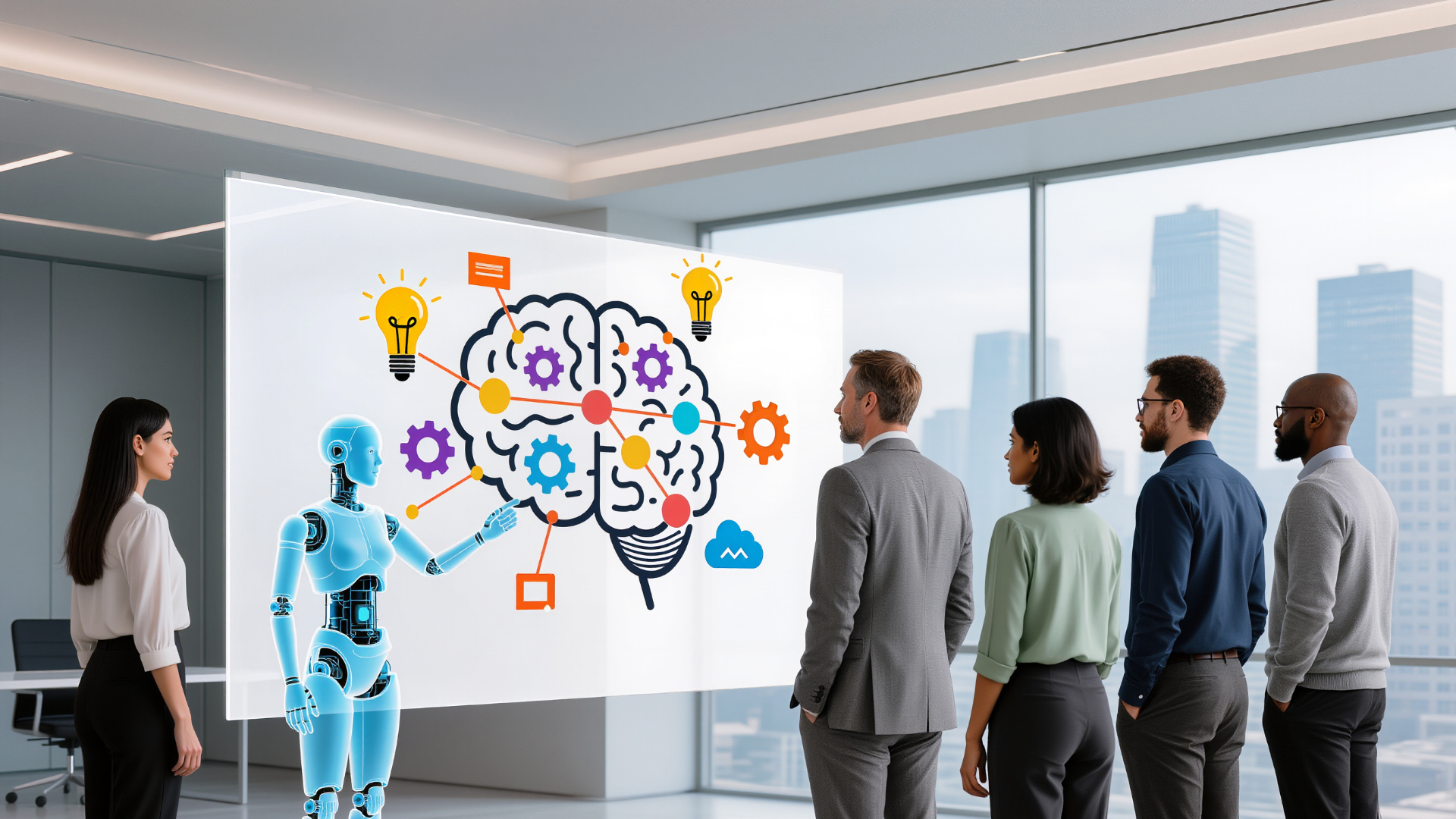
But in the last few years, a powerful transformation has begun—the integration of Artificial Intelligence (AI) in addiction recovery. Modern AI-based Nasha Mukti programs offer personalized, scientific, data-driven solutions that were never possible before. These programs are now considered one of the most effective ways to support recovery, prevent relapse, and provide continuous guidance to patients, even from the comfort of their homes.
This blog explores how AI is changing the landscape of de-addiction treatment in 2025, why it is more effective, and how it can be integrated with traditional methods for fast and lasting recovery.
Understanding AI-Based Nasha Mukti Programs
AI-based Nasha Mukti programs use artificial intelligence technologies to analyze behavior, predict relapse risks, provide personalized therapy, and support addicts throughout their recovery journey.
These programs work through:
Mobile apps
Wearable devices
Online therapy platforms
Virtual rehab systems
Automated chatbots and AI counselors
Machine learning-powered psychological assessments
Unlike traditional rehab that provides support only during scheduled sessions, AI-based support is 24/7, highly personalized, and continuously monitoring progress.
Why AI Is Becoming the Future of Addiction Recovery
1. Personalized Treatment Plans
Every person struggling with addiction has a different emotional background, chemical dependency level, social pressure, and mental health condition. Traditional programs follow similar treatment for everyone.
AI changes this completely.
By analyzing behavior, emotional patterns, sleep cycles, stress levels, and past history, AI creates individualized recovery blueprints.
This improves the effectiveness of treatment by 2x to 3x.
2. Real-Time Monitoring and Alerts
Relapse often occurs when the patient is stressed, lonely, angry, or triggered. AI-powered apps track indicators like:
Heart rate
Sleep patterns
Stress signals
Location patterns
Mood changes
Phone usage behavior
Whenever the system identifies relapse risk, the app sends:
✔ Immediate alerts
✔ Breathing exercises
✔ Motivational guidance
✔ SOS contact prompts
This early-warning system is one of the biggest advantages of AI in Nasha Mukti care.
3. AI Chatbots for Emotional Support
Most addicts relapse when they feel lonely or emotionally overwhelmed.
Rehab centers cannot be available 24/7—but AI can.
AI-based chatbots offer:
Real-time conversations
Emotional support
Cognitive therapy techniques
Crisis counseling
Motivational messages
These AI counselors are trained on millions of therapy interactions, enabling them to provide empathetic and practical advice instantly.
4. Predicting Relapse Before It Happens
One of the most revolutionary benefits of AI is predictive analytics.
AI tools detect patterns in behavior that humans cannot notice.
Example:
If a person’s stress level increases for 3 days, sleep quality drops, and phone usage spikes, the system flags a relapse probability of 80–90%.
This helps families and doctors take action before the relapse occurs.
5. Teletherapy With AI Assistance
AI helps therapists understand the patient deeply through behavioral scoring, voice analysis, and sentiment detection.
Teletherapy becomes more effective with:
Automated progress reports
AI-analyzed emotional charts
Mood patterns
Therapy suggestions for counsellors
This reduces the workload of professionals and enhances treatment quality.
6. AI-Powered Virtual Rehab Sessions
Virtual rehab uses VR (Virtual Reality) and AI to simulate real-life situations and help patients practice safe responses.
Examples:
Saying “No” in a party environment
Facing peer pressure
Managing urges
Handling stressful situations
This builds mental strength and prevents relapse in real-world conditions.
Benefits of AI in Nasha Mukti Programs
1. 24/7 Support
Unlike traditional therapy that happens once or twice a week, AI tools support the patient round the clock.
2. Cost-Effective Treatment
AI-based programs reduce the need for frequent visits to rehab centers, lowering overall addiction-treatment costs.
3. Confidential & Private
Many addicts hesitate to visit rehab centers due to social stigma.
AI apps provide private, confidential support without judgment.
4. Data-Based Recovery Tracking
Family members and therapists can see real-time progress:
Addiction severity
Mood patterns
Therapy reports
Daily progress
Emotional stability scores
This transparency helps everyone stay aligned.
5. Emotional Stability and Motivation
AI delivers:
Daily motivation
Habit-building reminders
Stress-relief exercises
Guided meditations
Therapy notes
These small supports build long-term emotional stability.
How AI Combines With Traditional Rehab Programs
AI doesn’t replace traditional rehab—it enhances it.
Rehab + AI = Best Recovery Results
| Traditional Rehab | AI Support |
|---|---|
| Counseling sessions | 24/7 digital guidance |
| Detox process | Health monitoring via wearables |
| Group therapy | AI mood tracking & journaling |
| Follow-up calls | Predictive relapse alerts |
| Medication support | Digital reminders & tracking |
The combination creates a powerful, structured recovery system.
Real-Life Use Cases of AI in Addiction Recovery
1. India-Based De-Addiction Apps
Several Indian companies now offer AI-enhanced de-addiction support with meditation, counseling, chatbots, and detox routines.
2. Wearables Used in Rehab Centers
Modern Nasha Mukti Kendras use smart bands to track:
Heart rate
Blood pressure
Stress levels
Movement patterns
These readings help doctors make scientifically informed decisions.
3. AI in Government Awareness Programs
In 2025, many state-level anti-drug campaigns use AI analytics to identify high-risk areas and plan awareness drives accordingly.
Challenges of AI in Nasha Mukti
Even though the technology is powerful, it has limitations:
1. Emotional depth
AI cannot fully match human warmth and deep emotional understanding.
2. Data privacy issues
Personal data must be handled with strict security.
3. Technology dependency
People without smartphones or digital literacy may face difficulty.
4. Cannot handle extreme addiction cases alone
Severe cases require medical detox, in-person therapy, and hospitalization.
Future of AI in Addiction Recovery (2025–2030)
AI will soon be able to:
Predict relapse with 95% accuracy
Recommend personalized medications
Detect depression through voice tone
Offer advanced virtual-reality rehab
Integrate with smart-home devices to avoid triggers
Provide hologram-based counseling sessions
Experts predict that AI will reduce addiction-relapse rates by up to 40% in the next 5 years.
Conclusion
AI-based Nasha Mukti programs represent a revolutionary step in the world of addiction recovery. While traditional therapies remain important, modern AI tools bring personalization, real-time support, and scientific accuracy to the process.
From emotional support chatbots to predictive relapse alerts, AI ensures that no patient ever feels alone in their journey. In 2025 and beyond, AI will continue to strengthen Nasha Mukti efforts and help millions rebuild their lives with confidence and hope.


Leave A Comment