

Introduction
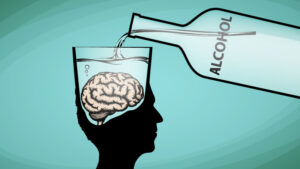
Alcohol is often seen as a temporary escape — a way to relax, celebrate, or forget worries. But what most people don’t realise is that alcohol does not just affect the liver. It affects the brain first, and often the impact is deeper, faster, and more long-lasting than any other organ.
In 2025, advanced neuroscience and brain-imaging studies have revealed shocking facts about how alcohol alters brain structure, damages brain cells, weakens memory, increases anxiety, affects emotions, and creates a dependency cycle that becomes hard to break.
The good news?
Many effects of alcohol on the brain are fully reversible — if corrected early with the right lifestyle, nutrition, and natural remedies.
This detailed blog explains:
How alcohol damages the brain
Which brain parts are affected
Early and long-term effects
What changes can be reversed
Powerful methods to heal, restore, and rebuild your brain naturally
Let’s begin.
How Alcohol Affects Your Brain
Alcohol affects the brain in three major ways:
1. Changes in Brain Chemistry
Alcohol alters neurotransmitters — chemicals that control mood, memory, motivation, sleep, learning, and behaviour.
2. Structural Damage
Regular drinking shrinks brain tissues, especially areas responsible for decision-making, memory, and emotional balance.
3. Disruption of Communication Between Brain Cells
Alcohol slows signals between neurons, affecting clarity, coordination, reaction time, and thinking ability.
Which Parts of the Brain Are Affected by Alcohol?
Neuroscience studies show alcohol affects these key areas:
1. Prefrontal Cortex — Decision Making & Self-Control
Alcohol weakens this area responsible for:
Judgement
Reasoning
Planning
Self-control
That is why people take poor decisions while drinking.
2. Hippocampus — Memory & Learning
Alcohol directly damages the hippocampus, leading to:
Forgetfulness
Blackouts
Difficulty learning new things
Weak long-term memory
3. Cerebellum — Balance & Coordination
Drinking affects:
Walking
Balance
Hand-eye coordination
This is why people stagger or fall when drunk.
4. Amygdala — Emotions & Anxiety
Alcohol initially calms the amygdala, but long-term drinking:
Increases anxiety
Raises anger levels
Causes mood swings
Increases stress hormones
5. Hypothalamus — Sleep & Body Control
Alcohol disrupts:
Sleep cycle
Body temperature
Hormone production
Appetite control
This is why addicts experience insomnia and irregular hunger.
Short-Term Effects of Alcohol on the Brain
People often ignore short-term signs thinking they’re “normal.”
But these are early warnings of brain damage.
1. Slower thinking
2. Loss of judgement
3. Memory gaps (mini-blackouts)
4. Emotional instability
5. Poor coordination
6. Difficulty concentrating
7. Reduced reaction time
These symptoms may disappear after drinking stops — but repeated drinking strengthens them into long-term damage.
Long-Term Effects of Alcohol on the Brain
Years of drinking can lead to permanent changes.
1. Brain Shrinkage
Heavy drinking literally reduces brain size.
2. Chronic Memory Loss
Difficulty remembering daily tasks, faces, and conversations.
3. Alcohol-Induced Dementia
Long-term damage similar to Alzheimer’s.
4. Mental Health Disorders
Alcohol increases the risk of:
Depression
Anxiety
Panic disorders
Bipolar symptoms
5. Poor Emotional Control
Frequent anger, irritation, sadness, mood swings.
6. Sleep Disorders
Insomnia becomes a permanent problem.
7. Nerve Damage
Alcohol affects the central and peripheral nervous system.
The Alcohol Addiction Cycle — How the Brain Gets Trapped
Addiction is not a weakness — it is a brain chemistry problem.
Here is the cycle:
Alcohol releases dopamine → you feel pleasure
Brain wants more of the same feeling
Tolerance increases → You need more to feel the same
Brain becomes dependent
Cravings start
Withdrawal symptoms appear
Person drinks again to feel “normal”
This creates a loop that is difficult to break without conscious healing.
Can the Brain Heal After Alcohol Damage?
YES.
The brain is one of the most powerful organs in the body.
It can regenerate, rebuild, and repair itself — a process called neuroplasticity.
What can be reversed?
Memory problems
Sleep issues
Anxiety
Poor focus
Mood swings
Brain fog
Cognitive decline
What is hard to reverse?
Severe dementia
Long-term nerve damage
Years of untreated alcoholism
Early healing gives the best results.
How to Reverse Alcohol Damage to the Brain (Scientifically Proven Methods)
Below are the most effective, medically and naturally supported methods for reversing alcohol-induced brain damage.
1. Stop Alcohol Completely for 30–90 Days
This is the #1 requirement for healing.
Within:
7 days:
Brain inflammation decreases
Clarity improves
30 days:
Sleep improves
Mood stabilizes
Memory begins to recover
90 days:
Neural pathways rebuild
Emotional stability returns
Cognitive function becomes normal
Stopping even for 1–3 months can create massive recovery.
2. Increase Brain Oxygen Through Exercise
Exercise is one of the fastest ways to heal the brain because it increases oxygen flow.
Best exercises:
Brisk walking
Jogging
Cycling
Yoga
Swimming
Exercise increases BDNF (Brain-Derived Neurotrophic Factor) — a hormone that repairs damaged neurons.
3. Meditation — Brain Reset Technique
Meditation calms the overactive mind and reduces cravings.
Benefits:
Heals emotional imbalance
Reduces anxiety
Strengthens decision-making
Repairs stress circuits
Just 10 minutes daily has measurable results.
4. Eat Brain-Healing Foods
Your brain needs nutrients to repair itself.
Include:
Walnuts
Almonds
Flax seeds
Avocado
Blueberries
Dark chocolate
Banana
Green leafy vegetables
Whole grains
These provide omega-3, antioxidants, and healthy fats for rebuilding brain cells.
5. Hydration Therapy (Simple but Powerful)
Alcohol dehydrates the brain.
Drinking:
8–10 glasses of water
Coconut water
Lemon water
helps restore brain electrolyte balance.
6. Ayurvedic Herbs That Repair the Brain
Ayurveda offers powerful brain-tonic herbs.
a. Brahmi
Improves memory & reduces stress.
b. Shankhpushpi
Calms nerves, improves focus.
c. Ashwagandha
Reduces anxiety & heals brain inflammation.
d. Jatamansi
Restores sleep and emotional stability.
e. Amla
High antioxidants for brain repair.
Taking these daily accelerates brain healing.
7. Improve Sleep Cycle
Sleep is the natural repair mechanism of the brain.
Tips:
Sleep before 11 PM
Avoid screens at night
Drink warm milk
Use dim lights
Keep room quiet
Deep sleep = deep healing.
8. Social & Emotional Healing
Talking, sharing, and bonding releases oxytocin, which heals emotional triggers behind addiction.
Spend time with:
Family
Friends
Support groups
Emotional support is essential for brain recovery.
9. Avoid Triggers That Restart Addiction
Avoid:
Stressful environments
Drinking friends
Late-night outings
Celebrations with alcohol
Your brain needs a clean break to rebuild.
10. Practice Mental Exercises Daily
Boost your brain with:
Puzzles
Reading
Memory games
Learning a new skill
These strengthen the neural network and improve cognitive recovery.
Timeline of Brain Recovery After Quitting Alcohol
24 Hours
Brain swelling reduces
7 Days
Better energy & clarity
30 Days
Memory improves
Sleep stabilizes
60 Days
Stronger decision control
Better emotional balance
90 Days
Major neural repair
Higher energy
Better mental health
Conclusion
Alcohol damages the brain in ways most people don’t realise. It destroys memory, weakens judgement, increases anxiety, disturbs sleep, and creates emotional instability. But the good news is:
The brain CAN heal — fully and naturally — if you take action early.
With the right combination of:
✔ Complete alcohol break
✔ Exercise
✔ Meditation
✔ Nutritious food
✔ Ayurvedic herbs
✔ Proper sleep
✔ Mental training
✔ Emotional support
…your brain can rebuild itself into a stronger, healthier, more stable version.
Your brain is powerful.
Your willpower is stronger.
Your healing can begin today.

Leave A Comment