

Introduction
Addiction is often misunderstood as a moral weakness, a lack of willpower, or a personal failure.
But modern neuroscience proves something very different:
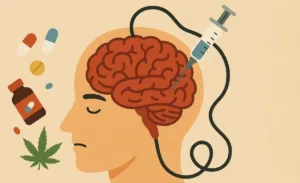
Addiction is a chronic brain disorder.
It rewires the brain’s reward system, disrupts decision-making, weakens self-control, and creates physical and psychological dependence.
Whether the substance is alcohol, heroin, cocaine, nicotine, weed, painkillers, or synthetic drugs—the mechanism of addiction inside the brain follows similar scientific principles.
In this detailed blog, we will explore:
How addiction starts scientifically
What happens in the brain during addiction
Why addiction becomes uncontrollable
How dopamine creates dependency
Why quitting is difficult
The concept of tolerance, withdrawal, and craving
Permanent changes addiction creates in the brain
And how science-based treatment reverses these effects
This blog will completely transform how you understand addiction.
1. Addiction Starts in the Brain — Not in the Body
Before addiction affects the body, it begins in the brain’s reward circuitry.
The substances stimulate certain brain chemicals that control:
emotions
motivation
pleasure
memory
decision-making
self-control
Over time, drugs and alcohol hijack these systems.
2. Dopamine: The Core Chemical Behind Addiction
Dopamine is the “feel-good” chemical responsible for:
pleasure
motivation
reinforcement
reward-seeking behavior
Normally, dopamine is released naturally when we:
eat food
talk to loved ones
achieve goals
play sports
listen to music
But drugs release 10–20 times more dopamine than natural rewards.
This unnatural flood of dopamine creates:
✔ intense pleasure
✔ immediate relaxation
✔ powerful euphoria
The brain quickly learns:
“This substance gives extreme pleasure — I want it again.”
This is the birth of addiction.
3. How Addiction Hijacks the Reward System
Addiction follows a repeating cycle:
1. Trigger → Desire → Use → Reward
A trigger (stress, boredom, sadness, social pressure) activates the craving.
The person uses the drug and receives a dopamine reward.
2. Brain associates substance with relief
The brain forms strong memory links:
“This substance = relief + pleasure.”
3. Habits become automatic
Over time, the brain automates this behavior, making it unconscious.
4. The brain stops producing dopamine naturally
Because dopamine artificially stays high, the brain reduces its natural dopamine production.
Result:
no motivation
no happiness
no pleasure in normal life
This forces the person to seek drugs again to feel normal.
4. Tolerance: Why More and More Substance Is Needed
Tolerance happens when:
the brain becomes used to high dopamine
receptors become less sensitive
normal quantity no longer creates the same effect
The person needs:
more alcohol
more nicotine
more drugs
just to feel the same relief.
This is how addiction becomes stronger.
5. Cravings: The Brain Demands More
Cravings are not emotional weakness—they are neurological urges.
Cravings happen because:
the brain remembers pleasure
the emotional system demands relief
dopamine pathways expect stimulation
Certain triggers immediately activate cravings:
stress
loneliness
anxiety
old friends
specific places
boredom
trauma memories
celebrations
Cravings are the strongest force that drives relapse.
6. Withdrawal: The Painful Side of Addiction
When the substance is not taken, the brain goes into imbalance.
Withdrawal symptoms include:
shaking
sweating
anxiety
depression
nausea
irritability
body pain
insomnia
panic
seizures (in severe cases)
Withdrawal is scientifically the opposite of the dopamine rush.
This pain forces the person to use again, even if they want to quit.
7. How Addiction Damages the Brain (Long-Term Effects)
Addiction causes structural changes in three major brain areas:
1. Prefrontal Cortex (Decision-Making Center)
Addiction weakens:
judgment
willpower
impulse control
long-term planning
The person becomes impulsive and irrational.
2. Amygdala (Emotional Center)
Addiction increases:
fear
anxiety
anger
emotional instability
3. Hippocampus (Memory Center)
Drugs alter:
memory
learning ability
emotional recall
This is why the brain remembers triggers very strongly.
8. The Three Stages of Addiction (Scientifically Proven Model)
Addiction progresses in three scientifically recognized phases:
Stage 1: Binge/Intoxication
Intense pleasure and dopamine release.
Stage 2: Withdrawal/Negative Affect
Pain, anxiety, sadness when not using.
Stage 3: Preoccupation/Anticipation (Craving)
The brain becomes obsessed with the next use.
This cycle can continue for years unless interrupted by treatment.
9. Addiction Is a Disease — Not a Choice
Science proves addiction is:
chronic
progressive
relapsing
treatable
It is similar to diabetes or heart disease—
a long-term condition that requires structured treatment.
10. Why Quitting Alone Is Difficult (Scientific Explanation)
People cannot quit addiction by willpower alone because:
1. The brain has changed physically
Self-control circuits are weakened.
2. Dopamine system is damaged
Natural pleasure doesn’t work anymore.
3. Emotional system is unstable
Stress and trauma drive cravings.
4. Withdrawal creates extreme discomfort
The person uses again to escape the pain.
5. Habit memories are deeply embedded
Triggers activate craving automatically.
11. How Science-Based Treatment Reverses Brain Damage
Modern de-addiction programs follow neuroscientific methods:
1. Medical Detox
Removes substances safely and balances brain chemicals.
2. Cognitive Behavioral Therapy (CBT)
Rewires the brain by changing negative thoughts.
3. Dialectical Behavioral Therapy (DBT)
Improves emotional control.
4. Mindfulness & Meditation
Calms the nervous system, reduces cravings.
5. Trauma Therapy
Heals root causes like childhood trauma or relationships.
6. Relapse Prevention Therapy
Teaches the brain how to respond to triggers.
7. Yoga & Physical Exercise
Promotes dopamine naturally and restores brain health.
8. Nutrition Therapy
Repairs brain cells through vitamins, minerals, and amino acids.
12. How Long Does It Take for the Brain to Recover?
Scientific studies show:
Detox: 7 to 15 days
Brain chemical balance: 30 to 90 days
Emotional stability: 3 to 6 months
Neural pathway regeneration: 1 year
Full recovery: 1 to 2 years (with aftercare)
Recovery is not instant—it is a gradual healing process.
13. Can the Brain Fully Recover?
Yes.
With proper treatment and long-term support, the brain can rebuild:
dopamine balance
decision control
emotional stability
memory
cognitive clarity
Neuroplasticity allows the brain to form new healthy habits.
Conclusion
Addiction is not a failure—
it is a brain disease that requires scientific treatment.
Drugs and alcohol hijack the brain’s reward system, create dependency, and weaken emotional control.
But with:
medical detox
psychotherapy
emotional healing
lifestyle changes
mindfulness
strong family support
the brain can recover fully.
Science proves one powerful truth:
Recovery is possible — for everyone.

Leave A Comment