

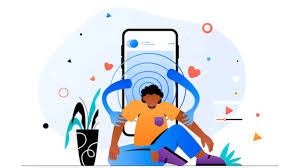
In today’s technology-driven world, digital devices have become an essential part of our daily routine. Smartphones, social media, gaming, YouTube, online gambling, OTT platforms, and virtual communities are everywhere. While technology has increased convenience and connectivity, it has also given birth to a rapidly growing problem: Digital Addiction.
Digital addiction is now recognized as a serious behavioral disorder affecting children, teens, adults, and even elderly individuals. Many Nasha Mukti Kendras have begun treating digital addiction alongside drug and alcohol addiction because the symptoms and brain effects are strikingly similar.
This blog explores how digital addiction is rising, why it is dangerous, its impact on the brain and mental health, and practical ways to control it.
What Is Digital Addiction?
Digital addiction refers to compulsive and uncontrollable use of digital devices such as:
Smartphones
Laptops
Social media
Online games
Video streaming platforms
Online shopping
Pornography
Gambling apps
The person becomes dependent, spending excessive time online even when it negatively impacts daily life.
Just like substance addiction, digital addiction affects:
Mood
Behavior
Sleep
Productivity
Relationships
Mental health
Why Digital Addiction Is Increasing So Rapidly
1. Easy Access to Devices
Almost every household has smartphones, Wi-Fi, and unlimited data plans.
This makes digital content available 24/7.
2. Platforms Designed to Be Addictive
Apps and websites use psychological techniques such as:
Endless scrolling
Instant rewards
Notifications
Likes and comments
Bright colors
Personalized content
These features stimulate dopamine, keeping the brain craving more.
3. Modern Lifestyle
Work-from-home, online classes, and digital entertainment have made screens unavoidable.
People turn to devices for:
Work
Study
Relaxation
Entertainment
Social connection
Over time, usage turns into addiction.
4. Social Pressure
Social media creates pressure to stay updated, compare lifestyles, and maintain an online presence.
This constant pressure increases screen time.
5. Emotional Escapism
Many people use digital content to escape:
Stress
Loneliness
Anxiety
Depression
Family issues
Work pressure
The temporary escape becomes a long-term habit.
Types of Digital Addiction
1. Smartphone Addiction
Constant usage, checking notifications, scrolling, and inability to stay away from the phone.
2. Social Media Addiction
Addiction to apps like Instagram, Facebook, Snapchat, YouTube, TikTok.
3. Gaming Addiction
Compulsive online games, especially among teenagers.
4. OTT/Video Addiction
Binge-watching streaming platforms for hours or days.
5. Online Gambling & Betting
One of the fastest-growing digital addictions with dangerous financial consequences.
6. Online Shopping Addiction
Compulsive buying behavior driven by sales, discounts, and instant gratification.
Signs & Symptoms of Digital Addiction
1. Constant Need to Check Device
Even without notifications, the person keeps checking the phone out of habit.
2. Loss of Time Awareness
The person spends hours online without realizing it.
3. Decline in Academic or Work Performance
Digital distractions affect focus and productivity.
4. Sleep Disturbances
Scrolling late at night disrupts sleep cycles.
5. Social Withdrawal
The person prefers online interaction over talking to real people.
6. Anxiety When Away from Device
Fear, irritation, or restlessness when the device is not nearby.
7. Neglecting Personal Health
Skipping meals, avoiding exercise, or ignoring responsibilities.
8. Mood Changes
Irritability, anger, or frustration when internet usage is restricted.
How Digital Addiction Affects the Brain
1. Dopamine Overload
Digital platforms give small bursts of dopamine, the pleasure chemical.
Over time, the brain becomes addicted to these quick rewards.
2. Reduced Attention Span
Constant scrolling reduces the ability to focus on one task.
3. Poor Memory Formation
Notifications interrupt deep thinking and memory processes.
4. Emotional Instability
Online content affects mood, self-esteem, and mental well-being.
5. Impulsive Behavior
Addiction weakens self-control and decision-making abilities.
Effects of Digital Addiction on Daily Life
1. Poor Mental Health
Anxiety, depression, loneliness, and comparison syndrome.
2. Physical Health Problems
Eye strain
Headaches
Neck pain
Obesity
Insomnia
3. Relationship Issues
Lack of communication and emotional disconnect.
4. Decline in Productivity
Distraction reduces performance in work or studies.
5. Financial Losses
Online shopping, gambling, and in-app purchases drain money.
6. Social Disconnect
People lose real-life social skills and become isolated.
How Nasha Mukti Kendras Treat Digital Addiction
Many de-addiction centres now offer structured treatments for digital dependency.
1. Digital Detox Programs
Patients stay away from all devices for a defined period.
2. Counseling & Therapy
Helps identify emotional triggers behind excessive screen use.
3. Behavioral Therapy
Teaches healthy habits to replace addictive behaviors.
4. Meditation & Mindfulness
Improves self-control and reduces compulsive patterns.
5. Scheduled Screen-Time
Patients learn to limit usage and maintain a healthy balance.
6. Outdoor Activities
Sports, exercise, and nature exposure reduce the need for digital stimulation.
Practical Ways to Control Digital Addiction
1. Set Screen-Time Limits
Use built-in tools like:
Digital Wellbeing
Screen Time
Focus Mode
2. Turn Off Unnecessary Notifications
Reduces dopamine triggers and compulsive checking.
3. No-Phone Zones
Avoid phones in:
Bedroom
Study area
Dining table
4. Replace Digital Habits
With healthy alternatives:
Reading
Yoga
Walking
Sports
5. Follow the 20-20-20 Rule
Every 20 minutes, look 20 feet away for 20 seconds.
6. Track Device Usage
Awareness helps controlling bad habits.
7. Limit Social Media
Unfollow negative accounts and avoid endless scrolling.
8. Set Timer for Apps
Automatically blocks access after a certain time.
9. Practice Real-Life Socializing
Meet friends and engage in offline conversations.
When to Seek Professional Help
Seek help from a Nasha Mukti Kender if:
Screen-time is uncontrollable
Academic or work performance is dropping
Sleep is disturbed
There is anxiety without internet
Social life is affected
There are signs of depression
Early treatment prevents long-term damage.
Final Thoughts
Digital addiction is one of the fastest-growing behavioral disorders of the modern world.
While technology is not harmful by itself, its uncontrolled and compulsive use can damage mental, emotional, and physical health.
Understanding the signs early, controlling habits, and seeking professional help (if needed) can transform life completely. With the right strategy, digital addiction can be managed, reduced, and even eliminated.
A balanced digital life leads to better productivity, stronger relationships, and improved well-being.


Leave A Comment