

Addiction is not only a physical disease — it is a psychological and emotional disorder that affects how a person thinks, feels, behaves, and connects with others. While the body may crave the substance, the real struggle happens inside the mind. Addiction changes the way the brain functions, often leading to mental health issues like anxiety, depression, mood swings, and even personality changes.
Understanding the psychological impact of addiction helps in building deeper awareness, better treatment, and lasting recovery. A Nasha Mukti Kendra (Rehabilitation Centre) focuses not only on detoxing the body but also on healing the mind, which is the key to permanent freedom from addiction.
How Addiction Affects the Brain
The brain controls emotions, decisions, and habits through chemical messengers called neurotransmitters — mainly dopamine and serotonin.
When someone uses drugs or alcohol, these chemicals are artificially released in large amounts, creating temporary pleasure or “high.”
Over time:
The brain stops producing natural dopamine
The person depends on substances for happiness
Motivation and focus decline
Emotional stability breaks down
This leads to a complete change in how the person thinks, feels, and reacts.
Common Psychological Effects of Addiction
1. Anxiety and Restlessness
Addiction over-stimulates the brain. When the substance wears off, the person feels:
Nervousness
Restlessness
Panic
Fear without reason
This happens because the brain struggles to balance chemicals that control calmness and focus.
2. Depression and Hopelessness
Drugs and alcohol give short bursts of happiness, followed by long periods of sadness and exhaustion.
When the brain stops getting the chemical rush, it results in:
Low mood
Fatigue
Lack of motivation
Feelings of worthlessness
In severe cases, addiction can lead to clinical depression requiring medical attention.
3. Mood Swings and Irritability
Addicted individuals may shift rapidly between anger, sadness, and euphoria.
This is due to the constant chemical imbalance in the brain.
It also strains relationships and leads to emotional isolation.
4. Memory and Concentration Problems
Long-term substance abuse damages the hippocampus — the part of the brain responsible for learning and memory.
This leads to:
Forgetfulness
Confusion
Poor decision-making
Difficulty focusing
Many recovering patients report mental fog for weeks after quitting.
5. Increased Aggression or Violence
Certain drugs (like cocaine, meth, or alcohol) reduce control over emotions.
As a result:
Anger increases
Patience decreases
Reactions become impulsive
This behavior often hurts relationships and careers.
6. Paranoia and Hallucinations
In advanced stages, drugs can cause severe mental disorders such as:
Paranoia: Constant fear that someone is watching or plotting harm
Hallucinations: Seeing or hearing things that aren’t real
Such symptoms need immediate psychiatric care.
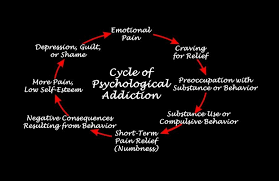
7. Guilt, Shame, and Low Self-Esteem
Most addicts are aware of their behavior but feel powerless to stop.
This creates:
Guilt (“I am ruining everything”)
Shame (“I’m a failure”)
Emotional pain and self-hate
These emotions feed the cycle of addiction, making recovery harder without counseling.
Connection Between Addiction and Mental Health Disorders
Addiction and mental illness often exist together — a condition called Dual Diagnosis.
| Mental Health Condition | How It Connects to Addiction |
|---|---|
| Depression | People use drugs to escape sadness |
| Anxiety | Drugs or alcohol are used to relax temporarily |
| PTSD / Trauma | People use substances to forget painful memories |
| Bipolar Disorder | Addiction worsens mood swings |
| Schizophrenia | Drug use increases hallucinations and paranoia |
Both must be treated together, otherwise recovery becomes incomplete.
How Nasha Mukti Kendra Helps Heal the Mind
1. Psychological Counseling
Trained psychologists help individuals:
Understand their emotions
Face painful memories safely
Learn coping strategies
Build a strong and peaceful mindset
This process replaces negative thoughts with hope and purpose.
2. Cognitive Behavioral Therapy (CBT)
CBT teaches individuals to:
Recognize destructive thought patterns
Replace them with positive actions
Stay calm under emotional pressure
It rewires the brain for rational and healthy thinking.
3. Group Therapy
Sharing experiences with others in recovery reduces guilt and loneliness.
It builds empathy, self-acceptance, and confidence.
4. Yoga and Meditation for Mind Healing
Regular yoga and meditation:
Reduce anxiety
Improve concentration
Bring mental peace
Strengthen emotional control
These ancient practices are scientifically proven to stabilize the nervous system.
5. Family Therapy and Emotional Reconnection
Family counseling helps rebuild trust and understanding.
A supportive home environment prevents emotional triggers and relapse.
Steps to Maintain Mental Health After Recovery
Continue Counseling – Mental recovery is ongoing
Exercise Daily – Releases natural dopamine
Sleep Properly – Rest heals the brain
Avoid Negative Circles – Stay away from toxic influence
Eat Nutritious Food – Healthy diet = healthy mind
Practice Gratitude – Focus on progress, not past
Stay Connected – Join support groups or therapy sessions
Consistency builds mental strength and emotional balance.
Conclusion
Addiction is not a weakness — it is a mental and emotional struggle.
It changes how a person thinks, reacts, and lives. But with the right care, the mind can heal completely.
A Nasha Mukti Kendra provides the perfect combination of:
✅ Psychological counseling
✅ Medical treatment
✅ Yoga & meditation
✅ Family therapy
✅ Positive lifestyle development
Together, these methods restore mental peace, confidence, and happiness.
Recovery is not only freedom from addiction —
It is freedom from fear, pain, and hopelessness.


Leave A Comment