

Addiction does not only affect the body — the mind suffers the most. Whether the addiction is related to alcohol, drugs, smoking, or harmful substances, its deepest damage takes place within the emotional and psychological system of the person. Over time, addiction changes how a person thinks, feels, reacts, and relates to others.
Many people believe addiction is just a “bad habit.”
In reality, addiction is a mental health disorder that alters brain functions such as decision-making, memory, self-control, emotional balance, and behavior.
This is why treatment is not just about detoxifying the body — it must include emotional and psychological healing, which is provided at a Nasha Mukti Kendra (Rehabilitation Centre).
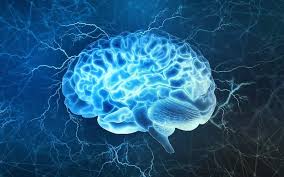
How Addiction Affects the Brain
The brain works with chemicals called neurotransmitters.
These chemicals control:
Happiness
Motivation
Stress response
Sleep
Emotional stability
Drugs and alcohol interfere with these chemicals, especially dopamine, the pleasure hormone. Over time:
The brain stops producing dopamine naturally.
The person needs substances to feel normal.
Without substances, they feel sadness, stress, and emptiness.
This creates dependency.
Psychological Effects of Addiction
1. Anxiety and Constant Worry
Once addiction develops, the person lives with:
Fear of not getting the substance
Fear of withdrawal pain
Fear of facing reality
This constant worry leads to anxiety disorders, making the person restless and mentally drained.
2. Depression and Sadness
Because the brain stops producing natural happiness chemicals, the person often feels:
Deep sadness
Hopelessness
Emptiness
Lack of motivation
Even things they once enjoyed no longer bring joy.
3. Anger and Irritability
Addiction disrupts emotional balance.
The person may:
Get angry over small things
Become aggressive
Lose patience
Feel irritated constantly
Family members and relationships suffer the most.
4. Memory Loss and Concentration Problems
Addiction affects brain cells responsible for memory and thinking.
This causes:
Forgetfulness
Poor focus
Slow thinking
Difficulty in learning or working
Daily tasks feel harder than usual.
5. Mood Swings
The emotional state becomes unpredictable.
At times, the person may seem:
Very happy
Very sad
Silent
Aggressive
These sudden changes affect relationships deeply.
6. Loss of Self-Esteem
Addiction makes the person feel:
Shame
Guilt
Failure
Worthlessness
They may believe they cannot change, which makes addiction stronger.
Social and Emotional Consequences
Addiction isolates the person from society.
Common effects include:
| Area | Impact |
|---|---|
| Family | Broken trust, arguments, emotional distance |
| Social life | Loss of friends and respect |
| Career | Poor performance, job loss, instability |
| Self-image | Loss of identity and confidence |
The person may feel alone even when surrounded by people.
How Nasha Mukti Kendra Helps Heal Mental Health
Rehabilitation treatment focuses not just on the body, but also the mind and emotional system.
1. Counseling and Talk Therapy
Professional counselors help:
Express hidden pain
Understand emotional triggers
Replace negative thoughts with positive thinking
Build confidence gradually
Talking heals.
2. Cognitive Behavioral Therapy (CBT)
CBT teaches:
How to control negative thinking
How to make positive decisions
How to stop emotional overreaction
This helps regain mental strength.
3. Group Therapy and Social Reconnection
Being around others who are recovering creates:
Hope
Strength
Encouragement
It shows the person they are not alone, and recovery is possible.
4. Yoga and Meditation for Emotional Balance
Yoga helps the body.
Meditation helps the mind.
Benefits include:
Calm thoughts
Reduced stress
Emotional stability
Improved mood
Inner peace is essential for lasting recovery.
5. Family Therapy for Relationship Repair
Rehab guides families to:
Understand addiction as a disease
Communicate with patience
Rebuild trust slowly
A supportive home environment protects the person after recovery.
Life After Recovery: Mental Strength Matters Most
Even after physical recovery, emotional healing must continue.
To protect mental health:
Practice meditation daily
Stay in positive company
Continue counseling
Avoid triggers and negative environments
Develop purpose and goals
A healthy mind creates a healthy life.
Conclusion
Addiction attacks the mind first, and the mind must be healed first.
The psychological impact of addiction is serious, but it is treatable.
With:
✅ Counseling
✅ Emotional support
✅ Family involvement
✅ Yoga & Meditation
✅ Lifestyle restructuring
A person can rebuild emotional strength and live a balanced, confident, and addiction-free life.
Healing is not instant — but it is possible.
Step-by-step, the mind returns to peace.


Leave A Comment