

Addiction is more than a physical dependence on substances — it’s a psychological battle that affects the brain, emotions, and behavior. While detoxification removes the substance from the body, true recovery requires healing the mind.
In Nasha Mukti Kendras and rehabilitation centers across India, understanding the psychological effects of addiction is the foundation of long-term recovery. This blog explores how addiction impacts mental health and how therapy, counseling, and mindfulness help restore emotional balance.
What Happens in the Brain During Addiction?
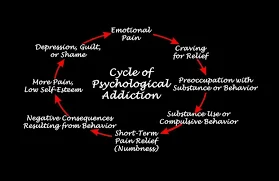
Addiction hijacks the brain’s reward system. Normally, activities like eating or exercising release dopamine — the “feel-good” chemical. Substances like alcohol, drugs, or even gambling release abnormally high levels of dopamine, creating intense pleasure.
Over time, the brain adapts to this excess and reduces natural dopamine production. As a result, individuals:
Need more of the substance to feel the same pleasure (tolerance).
Feel low, anxious, or empty without it (withdrawal).
Lose interest in other activities that once brought joy.
This cycle changes how the brain processes motivation, judgment, and impulse control — leading to compulsive behavior despite negative consequences.
Common Psychological Effects of Addiction
Addiction impacts every emotional and mental layer of life. Some of the major effects include:
1. Anxiety and Panic Disorders
Constant craving and guilt can cause chronic anxiety. Individuals often worry about their next dose, hiding behavior, or losing relationships.
2. Depression
As dopamine levels drop, feelings of hopelessness, fatigue, and sadness become constant. Many use substances again just to “feel normal,” creating a vicious cycle.
3. Low Self-Esteem
Addiction leads to feelings of failure, shame, and worthlessness. This emotional weight makes recovery harder without proper psychological support.
4. Mood Swings and Irritability
The imbalance of brain chemicals often causes sudden anger, frustration, or emotional breakdowns.
5. Social Isolation
People struggling with addiction often withdraw from family and friends due to guilt or rejection, worsening loneliness and depression.
6. Cognitive Decline
Long-term substance use affects concentration, memory, and decision-making abilities.
The Emotional Roots of Addiction
Addiction rarely begins in isolation. Many people turn to substances as a coping mechanism for unresolved emotional pain. Common triggers include:
Childhood trauma or neglect
Relationship conflicts
Stress and work pressure
Financial struggles
Loss or grief
These emotional wounds need healing, not hiding — and that’s where psychological therapy plays a vital role in recovery.
Healing the Mind: Psychological Treatment in Rehab Centers
Rehabilitation centers like those in Nagpur and across India focus on treating both the body and mind. Their therapy programs aim to rebuild self-worth, self-awareness, and emotional strength.
Here are the most effective psychological therapies used:
1. Cognitive Behavioral Therapy (CBT)
CBT helps individuals identify negative thought patterns that lead to substance use. Therapists guide patients to replace them with healthy, positive coping mechanisms.
Example:
Instead of thinking, “I can’t handle stress without alcohol,” the mindset becomes, “I can manage stress with meditation or exercise.”
2. Motivational Enhancement Therapy (MET)
This short-term therapy strengthens personal motivation to stay sober. It focuses on setting recovery goals and building confidence in achieving them.
3. Dialectical Behavior Therapy (DBT)
DBT helps manage intense emotions, such as anger or guilt, that often trigger relapse. It combines mindfulness with practical coping strategies.
4. Group Therapy
Hearing others’ stories reduces shame and creates a sense of community. Group sessions encourage empathy and mutual accountability.
5. Family Therapy
Addiction affects the whole family. Family counseling restores trust, improves communication, and teaches healthy boundaries.
6. Mindfulness and Meditation
Yoga and mindfulness help calm the nervous system and improve emotional control. This reduces cravings and builds mental clarity.
How Addiction Affects Mental Health Relationships
Addiction creates emotional distance in relationships. Trust breaks, communication stops, and guilt builds up on both sides. In recovery, psychological counseling helps individuals and families:
Express emotions openly
Rebuild trust
Learn forgiveness and patience
Create a healthy support environment
These restored bonds often become a strong pillar for long-term recovery.
Stages of Psychological Healing in Recovery
Stage 1: Awareness
The individual accepts addiction as a mental health condition, not a personal failure.
Stage 2: Emotional Release
Through therapy, suppressed guilt, anger, or trauma begins to surface and heal.
Stage 3: Rebuilding Confidence
Gradual achievements — attending therapy, staying sober for weeks — boost self-esteem.
Stage 4: Self-Discovery
Recovery becomes a process of rediscovering passions, relationships, and self-identity.
Stage 5: Maintenance
Continuous therapy, self-care, and mindfulness help maintain balance and prevent relapse.
The Role of Nasha Mukti Kendras in Mental Healing
Modern Nasha Mukti Kendras focus not just on physical detox but on complete psychological transformation.
Their holistic programs include:
Daily meditation and yoga sessions
Emotional and behavioral therapy
Art and music therapy
Stress management workshops
Peer motivation meetings
By treating emotional wounds and teaching life skills, they ensure recovery is stable, not temporary.
Real Recovery Story
Example:
Sneha, a 29-year-old software engineer from Nagpur, struggled with prescription drug dependency. After joining a Nasha Mukti Kendra, she began therapy for unresolved childhood trauma. Through CBT and meditation, Sneha learned to control her anxiety and rebuild self-confidence.
Today, she mentors others — proving that healing the mind is the foundation of lasting sobriety.
Conclusion
Addiction is both a mental and physical illness — and true recovery comes from healing both. While detox clears the body, therapy heals the emotions and thoughts that led to addiction in the first place.
By understanding the psychological effects and addressing them through professional support, individuals can rebuild their lives with peace, confidence, and purpose.
The journey is not just about quitting substances — it’s about rediscovering who you truly are.


Leave A Comment