

Introduction
Addiction recovery is not only about quitting alcohol or drugs — it’s about rebuilding the entire body and mind from the damage those substances have caused. While detoxification and counseling help clear the system and reshape the mind, nutrition is what truly helps the body recover its lost strength and vitality.
Every cell in the body is affected by addiction. Substances like alcohol, drugs, or tobacco deprive the body of essential nutrients, damage organs, and weaken immunity. When someone begins recovery at a Nasha Mukti Kendra (De-addiction Center), one of the most crucial yet often overlooked elements of healing is healthy eating.
A well-balanced diet restores energy, repairs tissues, stabilizes mood, and supports mental clarity — making recovery smoother and relapse less likely.
This blog explores the vital role of nutrition in addiction recovery and how a healthy diet can transform the healing journey.
How Addiction Damages the Body Nutritionally
Addiction affects the body in several hidden ways that go beyond what we can see. Continuous substance use interferes with the body’s ability to absorb, store, and use essential nutrients.
Here’s how common substances impact nutrition:
Alcohol:
Damages the liver, reducing its ability to process nutrients.
Depletes B vitamins (especially B1, B6, and B12) and magnesium.
Leads to dehydration and poor digestion.
Drugs (Cocaine, Heroin, etc.):
Suppress appetite, leading to malnutrition and weight loss.
Affect the digestive system and reduce nutrient absorption.
Damage the immune system and muscles.
Nicotine:
Reduces vitamin C and antioxidant levels.
Increases oxidative stress and aging of cells.
Prescription Drugs or Sleeping Pills:
Can disrupt metabolism and cause liver strain.
Often lead to digestive issues and fatigue.
When the body doesn’t receive proper nutrition, recovery becomes more difficult. Cravings intensify, moods swing wildly, and the mind remains foggy — making relapse more likely. That’s why nutrition is a central pillar of rehabilitation.
The Importance of Nutrition in Recovery
During addiction, food often becomes secondary — but in recovery, it becomes medicine. A good diet supports the healing process in multiple ways:
1. Restores Physical Health
Nutrients repair damaged tissues, support liver and kidney function, and boost immunity. This helps patients regain their natural energy and stamina.
2. Balances Brain Chemistry
Addiction alters brain neurotransmitters like dopamine and serotonin. Nutrient-rich foods help restore these chemicals naturally, improving mood and reducing cravings.
3. Reduces Cravings
Certain nutrient deficiencies can mimic withdrawal symptoms or cravings. When the body is properly nourished, these feelings lessen, making recovery easier.
4. Improves Sleep and Mood
Stable blood sugar and vitamin intake improve sleep cycles and emotional stability — two key factors in staying sober.
5. Builds Self-Discipline
Following a structured diet plan encourages routine, self-care, and responsibility — all crucial for long-term sobriety.
Key Nutrients for Addiction Recovery
Different nutrients play specific roles in healing the body and brain. Let’s break down some of the most important ones:
1. Protein
Why it matters: Repairs cells, builds muscles, and produces brain chemicals like dopamine and serotonin.
Sources: Eggs, fish, chicken, lentils, soy, paneer, and nuts.
2. Complex Carbohydrates
Why it matters: Provide steady energy and stabilize mood.
Sources: Brown rice, oats, whole wheat, sweet potatoes, and fruits.
3. Healthy Fats
Why it matters: Improve brain health and reduce inflammation.
Sources: Olive oil, avocado, nuts, seeds, and fish (like salmon).
4. Vitamins B1, B6, B12
Why it matters: Restore nerve function and mental clarity; often depleted in alcohol addiction.
Sources: Whole grains, spinach, eggs, milk, and bananas.
5. Vitamin C and E
Why it matters: Act as antioxidants that repair cell damage and boost immunity.
Sources: Citrus fruits, berries, amla, and almonds.
6. Minerals (Magnesium, Zinc, Iron)
Why it matters: Support muscle relaxation, reduce anxiety, and enhance energy production.
Sources: Leafy greens, seeds, lentils, and dry fruits.
7. Water
Why it matters: Detoxifies the system, maintains hydration, and supports organ function.
Tip: At least 8–10 glasses daily help flush out toxins during detox.
Sample Recovery Diet Plan
A balanced diet at a Nasha Mukti Kendra is designed to restore energy while being easy to digest. Here’s a sample plan:
Morning (7:00 AM)
Warm water with lemon (for detox)
Light yoga or meditation session
Breakfast (8:00–9:00 AM)
Oatmeal with fruits or poha with vegetables
Boiled eggs or milk for protein
Herbal tea or coconut water
Mid-Morning Snack
A handful of nuts or roasted chickpeas
Lunch (1:00 PM)
Brown rice or chapati
Dal or grilled fish/chicken (protein source)
Cooked vegetables and salad
Buttermilk for digestion
Evening Snack (5:00 PM)
Green tea with sprouts or fruit bowl
Dinner (8:00 PM)
Light khichdi or soup
Steamed vegetables
Herbal tea before bed
This plan supports balanced nutrition without burdening the digestive system.
Nutrition and Mental Health Connection
What we eat directly affects how we feel. During recovery, mental stability is as important as physical healing. Nutrients like omega-3 fatty acids, magnesium, and B vitamins help regulate brain chemicals responsible for happiness, calmness, and motivation.
How Nutrition Improves Mental Health:
B vitamins help reduce stress and depression.
Magnesium relaxes muscles and promotes sleep.
Protein stabilizes dopamine levels, reducing cravings.
Antioxidants protect the brain from oxidative damage caused by drugs.
This is why proper nutrition is not just food — it’s therapy for the brain.
Role of Nasha Mukti Kendras in Promoting Healthy Eating
Modern rehabilitation centers, especially in cities like Nagpur, have started giving serious importance to nutrition. At these centers:
A dietician or nutritionist creates personalized meal plans.
Fresh, locally sourced ingredients are used to prepare meals.
Junk food, sugar, and caffeine are avoided.
Patients are educated about nutrition and encouraged to cook after discharge.
The goal is not just to feed the body but to teach healthy habits that continue long after leaving the center.
Common Nutritional Challenges During Recovery
While transitioning to a healthy diet, recovering individuals often face challenges such as:
Loss of Appetite:
Due to withdrawal symptoms. Light, frequent meals help.Digestive Issues:
Caused by years of substance use. Fiber and probiotics support recovery.Sugar Cravings:
Many turn to sweets to replace addiction cravings. Healthy snacks like fruits or nuts can substitute.Mood Fluctuations:
Balanced meals with protein and complex carbs stabilize blood sugar and mood.Dehydration:
Water and electrolyte-rich drinks (like coconut water) are essential.
Understanding these challenges helps centers provide tailored solutions for every patient.
The Role of Supplements
Sometimes, food alone isn’t enough to correct severe deficiencies. In such cases, doctors at Nasha Mukti Kendras may prescribe supplements such as:
Multivitamins (for overall balance)
Omega-3 capsules (for brain health)
Iron and Zinc tablets (for energy and immunity)
Vitamin B complex (for nerve repair)
However, these are always given under medical supervision — never self-prescribed.
Practical Tips for Maintaining Nutrition Post-Recovery
Once individuals return home, maintaining a healthy diet is essential for long-term sobriety. Here are some simple yet effective tips:
Eat small, frequent meals instead of heavy ones.
Drink enough water daily.
Avoid processed foods, excess sugar, and alcohol substitutes.
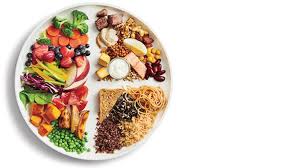
Include fresh fruits, vegetables, and whole grains in every meal.
Continue yoga or light exercise for better digestion and mood.
Plan weekly meals to avoid skipping or binge-eating.
Stay consistent — nutrition is about daily habits, not quick fixes.
Case Study: Healing Through Nutrition
A 35-year-old recovering alcoholic entered a rehabilitation center in Nagpur with fatigue, mood swings, and digestive problems. His diet was redesigned to include fruits, vegetables, whole grains, and proteins.
Within two weeks, his energy improved; within a month, his mood stabilized. Over time, he reported fewer cravings and better focus in counseling sessions.
His recovery success was not only due to detox and therapy — but also the power of proper nutrition.
Holistic Healing: Combining Nutrition with Other Therapies
For complete recovery, nutrition should be combined with:
Yoga and Meditation: Improve digestion and reduce stress.
Counseling: Addresses emotional eating habits.
Physical Exercise: Enhances metabolism and appetite.
Adequate Sleep: Helps nutrient absorption and brain healing.
Together, these create a balanced, healthy lifestyle that supports long-term sobriety.
Conclusion
Addiction recovery is a process of rebuilding life from within. While medical treatment and counseling heal the mind and body, nutrition acts as the foundation that supports every step of the journey.
At Nasha Mukti Kendras, healthy eating isn’t just about food — it’s about giving the body the strength to heal, the mind the clarity to stay sober, and the soul the peace to live freely again.
A balanced diet doesn’t only restore physical health — it restores hope, energy, and purpose. Because recovery isn’t just the absence of addiction; it’s the presence of nourishment, vitality, and life.


Leave A Comment