

Introduction
Addiction recovery is a journey that tests both the body and the mind. While therapy and medical support address the psychological and physiological aspects of addiction, the role of yoga and physical fitness brings another dimension — holistic healing.
In the environment of a Nasha Mukti Kendra (De-addiction Center), patients are encouraged not just to quit substances but to rediscover balance, strength, and peace. Yoga and fitness programs are now recognized as essential tools that help individuals rebuild their physical health, calm their mind, and restore self-discipline — creating a sustainable path to sobriety.
This blog explores how yoga, meditation, and regular exercise empower people to recover fully — body, mind, and soul.
The Connection Between Body and Addiction
Addiction doesn’t only affect mental health; it also weakens the body. Substance abuse drains energy, damages organs, disrupts sleep, and reduces immunity. Over time, the body becomes dependent on harmful substances for even basic functioning.
When someone begins recovery, their body is often fatigued, their mind restless, and their spirit broken. Detoxification removes the toxins, but rebuilding health and strength requires consistent effort — this is where yoga and exercise play a transformative role.
Physical activity releases endorphins (the body’s natural feel-good hormones), improves mood, and reduces cravings. Yoga, in particular, combines breathing techniques, movement, and meditation, helping the individual heal from within.
Why Yoga Is Powerful in Addiction Recovery
Yoga is not just physical exercise — it’s a lifestyle that nurtures awareness, control, and harmony. For individuals in recovery, yoga offers a structured way to rebuild not only their physical fitness but also their mental clarity and emotional stability.
Here’s how yoga helps in addiction treatment:
Restores Physical Health
After months or years of substance abuse, the body needs rejuvenation. Yoga enhances flexibility, blood circulation, and muscle strength, helping patients regain vitality.Reduces Cravings and Anxiety
Breathing techniques like Pranayama regulate the nervous system, calming restlessness and reducing the urge to use drugs or alcohol.Improves Sleep Patterns
Addiction disrupts sleep cycles. Regular yoga practice helps restore natural sleep, allowing the body to repair and recover.Encourages Mindfulness
Through meditation and focused movement, yoga teaches self-awareness. Patients learn to recognize negative thoughts before they turn into destructive behaviors.Builds Emotional Balance
Yoga promotes patience, acceptance, and self-compassion — essential qualities for anyone healing from guilt, anger, or trauma.
Scientific Benefits of Yoga in Addiction Treatment
Modern research supports the inclusion of yoga in addiction therapy. Studies have shown that yoga:
Reduces cortisol (stress hormone) levels.
Increases dopamine naturally (the same chemical that drugs falsely trigger).
Improves self-control by strengthening brain regions linked to decision-making.
Helps reduce depression and anxiety — common relapse triggers.
Because of these proven benefits, Nasha Mukti Kendras across India — including Nagpur — now make yoga a daily part of their recovery programs.
Common Yoga Practices in Nasha Mukti Kendras
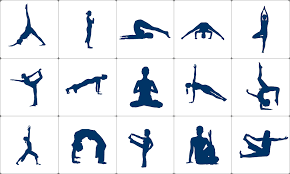
Most de-addiction centers design yoga sessions that are gentle yet effective. Below are some commonly practiced yoga techniques and their benefits:
1. Pranayama (Breathing Exercises)
Helps control cravings by calming the nervous system.
Increases oxygen supply to the brain, improving clarity and focus.
Reduces anxiety and irritability during withdrawal.
2. Surya Namaskar (Sun Salutation)
A complete body workout that increases stamina and flexibility.
Helps detoxify the body through sweat and deep breathing.
Builds discipline and a positive morning routine.
3. Meditation and Mindfulness
Helps manage negative thoughts and emotions.
Builds self-awareness, reducing impulsive behavior.
Encourages inner peace and spiritual growth.
4. Asanas (Postures) for Strength and Relaxation
Tadasana (Mountain Pose): Improves posture and concentration.
Balasana (Child’s Pose): Relieves mental stress and emotional fatigue.
Shavasana (Corpse Pose): Deeply relaxes the body and calms the mind.
Bhujangasana (Cobra Pose): Strengthens the spine and boosts energy.
5. Guided Relaxation
Soft music, breathing, and guided meditation sessions help patients let go of emotional pain and connect with inner calm — replacing anxiety with confidence.
Physical Fitness in Addiction Recovery
Alongside yoga, physical exercise plays a crucial role in rebuilding the body’s strength and confidence. After addiction, many people suffer from fatigue, weight fluctuations, and low immunity. Regular workouts help correct these imbalances.
Benefits of Physical Fitness in Recovery:
Rebuilds Physical Strength
Exercise restores stamina and muscle tone, allowing individuals to feel strong and capable again.Boosts Mental Health
Workouts release dopamine and serotonin, improving mood and reducing depression.Develops Routine and Discipline
A daily fitness plan replaces chaotic habits with structure — a key part of long-term recovery.Improves Self-Esteem
Physical progress boosts confidence, motivating individuals to stay sober.Reduces Relapse Chances
When people feel physically strong and mentally stable, they are less likely to fall back into addiction.
Types of Exercises for Recovering Individuals
Nasha Mukti Kendras often create fitness programs that are safe and motivating. These may include:
Walking or Jogging: Gentle cardio to improve endurance and mental clarity.
Stretching: Increases flexibility and reduces body stiffness.
Strength Training: Rebuilds muscle tone lost during addiction.
Aerobics or Dance Therapy: Makes exercise fun and social.
Outdoor Games: Boosts mood through teamwork and sunlight exposure.
The key is consistency, not intensity. The goal isn’t just physical change — it’s mental stability and a sense of achievement.
The Psychological Impact of Yoga and Fitness
Beyond physical health, yoga and fitness programs have deep psychological benefits. Addiction often leaves individuals emotionally unstable — full of guilt, fear, and frustration. Physical activity helps channel those emotions positively.
Improved Self-Control:
Both yoga and fitness teach discipline — a powerful skill for managing cravings.Mind-Body Connection:
Learning to listen to the body’s signals helps individuals identify emotional stress early and manage it.Stress Relief:
Exercise reduces tension and promotes relaxation through natural endorphins.Sense of Purpose:
Fitness goals give recovering individuals something to strive for, replacing destructive habits with healthy ambition.
Integrating Yoga and Fitness into Daily Life
At Nasha Mukti Kendras, yoga and exercise are scheduled daily — usually in the morning — to establish a rhythm of discipline and positivity.
A typical daily routine may include:
30 minutes of yoga or meditation
45 minutes of light physical exercise
A short mindfulness session before sleep
Once patients return home, they are encouraged to continue this practice. Maintaining consistency after leaving the center is critical for long-term sobriety.
Case Study: Transformation Through Yoga
Consider a young man struggling with drug addiction for five years. When he entered a rehabilitation center in Nagpur, he was physically weak and mentally unstable. Medical detox helped remove substances from his body, but his emotional state was fragile.
Under the center’s yoga instructor, he began daily meditation and simple asanas. Within weeks, his anxiety decreased, his sleep improved, and he started showing confidence. Over six months, yoga became his daily habit — a replacement for his addiction.
Today, he’s not just sober but also works as a yoga volunteer at the same Nasha Mukti Kendra — inspiring others through his journey.
This is the transformative potential of yoga — turning pain into power.
Building a Healthy Lifestyle Post-Recovery
Yoga and physical fitness are not short-term therapies; they are lifelong companions. After leaving the rehabilitation center, continuing these habits helps individuals maintain balance in daily life.
Here are some lifestyle tips recommended by experts:
Practice yoga at least 30 minutes every morning.
Engage in outdoor physical activities like walking, swimming, or cycling.
Join a local yoga group or gym for motivation.
Maintain a balanced diet and hydration.
Avoid environments or people that trigger substance cravings.
Practice mindfulness or journaling for emotional reflection.
Conclusion
Addiction recovery is not just about saying no to drugs or alcohol — it’s about saying yes to life. Yoga and physical fitness give recovering individuals a reason to wake up each day with purpose, confidence, and peace.
At Nasha Mukti Kendras, yoga acts as medicine for the soul — calming the mind, healing the body, and restoring harmony. Physical fitness rebuilds the strength that addiction once destroyed. Together, they form a powerful foundation for a new, sober, and balanced life.
Because true recovery isn’t only freedom from substances — it’s the freedom to live fully, healthily, and mindfully.


Leave A Comment