

Women and Addiction: Breaking the Stigma with the Help of Nasha Mukti Kendra
Introduction
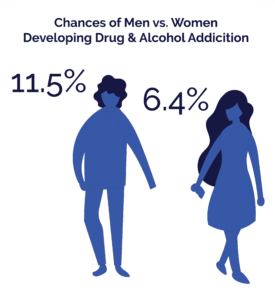
Addiction has long been perceived as a problem affecting primarily men, but in recent years, the rise in substance abuse among women has drawn global attention. Whether caused by emotional distress, social pressure, or trauma, women today are increasingly becoming victims of addiction — and yet, their struggles often go unseen and unheard.
The stigma surrounding female addiction is far more severe than for men. Many women suffer in silence due to fear of judgment, shame, and social rejection. This silence not only worsens the problem but also prevents them from seeking timely help.
In this scenario, Nasha Mukti Kendras (De-Addiction and Rehabilitation Centers) play an instrumental role in offering specialized care and a safe environment where women can heal, rebuild their confidence, and start anew.
This blog explores the unique challenges women face in addiction, the psychological and social barriers to recovery, and how Nasha Mukti Kendras are helping women break free from addiction while restoring dignity and hope.
1. Understanding Women and Addiction
Addiction is not gender-neutral. The causes, effects, and recovery journey differ significantly for men and women due to biological, psychological, and social factors.
1.1 Biological Differences
Women metabolize alcohol and drugs differently from men. Even small doses can lead to stronger effects and quicker dependency. Hormonal changes, stress response, and body composition all contribute to higher vulnerability.
1.2 Emotional Triggers
Women are more likely to turn to substances as a coping mechanism for:
Depression or anxiety
Domestic abuse or trauma
Loneliness or relationship breakdowns
Postpartum depression
Unlike men, women often use substances to escape emotional pain rather than for social pleasure.
1.3 Social Factors
In many societies, women face greater scrutiny and judgment for substance use. Fear of being labeled “immoral” or “unfit” stops many from seeking help, leading to deeper isolation and hidden suffering.
2. The Social Stigma Around Female Addiction
The stigma surrounding women with addiction is one of the greatest barriers to recovery.
2.1 The Double Standard
Society tends to judge women harshly for behavior it might overlook in men. A man struggling with alcohol may be seen as stressed or overworked, but a woman facing the same issue may be labeled as careless or unworthy.
This double standard causes many women to hide their addiction, avoiding treatment until the situation becomes critical.
2.2 Fear of Family and Social Rejection
Women, especially mothers or wives, fear losing their social status, children, or marriage if their addiction becomes known. As a result, they often choose silence over support.
2.3 The Psychological Toll of Stigma
Living under the constant weight of judgment can cause intense guilt, shame, and anxiety. This emotional burden deepens dependence on substances — creating a painful cycle that’s hard to escape without professional help.
3. The Role of Nasha Mukti Kendra in Women’s Recovery
Nasha Mukti Kendras are changing this narrative. They offer specialized, confidential, and compassionate rehabilitation programs tailored for women.
3.1 Safe and Supportive Environment
Women-specific Nasha Mukti Kendras ensure privacy, safety, and emotional comfort. The all-female staff and counselors create an environment free of fear and social pressure.
3.2 Medical and Psychological Support
Every recovery plan begins with detoxification, followed by a structured program of:
Medical treatment for withdrawal management.
Therapy and counseling to heal emotional wounds.
Mental health care to treat co-existing conditions like depression or PTSD.
3.3 Empowerment through Education
Women are taught essential life skills, self-care habits, and emotional coping techniques that build self-reliance and confidence. Empowerment becomes the foundation of long-term recovery.
4. Addressing the Emotional and Psychological Roots
Women often face addiction due to emotional pain, trauma, or neglect. Hence, the treatment must be holistic and deeply psychological.
4.1 Counseling and Therapy
Through individual and group counseling, women explore the root causes of their addiction. Techniques like Cognitive Behavioral Therapy (CBT) help in:
Recognizing negative thought patterns.
Developing positive coping strategies.
Replacing guilt with self-acceptance.
4.2 Healing from Trauma
Many women in rehabilitation are survivors of domestic abuse, harassment, or emotional neglect. Trauma-informed therapy at Nasha Mukti Kendras provides them with the tools to heal and regain control over their lives.
4.3 Building Self-Esteem
Addiction erodes self-worth. Recovery programs include confidence-building workshops, mindfulness sessions, and yoga that help women reconnect with their identity beyond addiction.
5. The Role of Family and Community in Recovery
Support from family and community can make or break a woman’s recovery journey.
5.1 Family Counseling
Family therapy helps relatives understand that addiction is a medical condition — not a moral failure. It encourages empathy, forgiveness, and emotional support.
5.2 Rebuilding Trust
Rehabilitation focuses on restoring trust within families. With guidance from therapists, both the woman and her family learn to rebuild relationships with patience and communication.
5.3 Community Reintegration
Nasha Mukti Kendras also work with local organizations to help women reintegrate into society, ensuring they don’t face discrimination when returning to work or school.
6. Vocational and Life Skill Training
A major part of rehabilitation for women involves preparing them for financial independence and social reintegration.
6.1 Skill Development Programs
Centers offer training in:
Tailoring and handicrafts
Computer basics and digital literacy
Beauty and wellness courses
Entrepreneurship workshops
These skills give women the confidence to rebuild their lives and reduce the risk of relapse.
6.2 Employment Assistance
Many Nasha Mukti Kendras collaborate with local businesses and NGOs to help women find employment post-recovery. Earning their own income empowers them to stand strong and live with dignity.
7. The Importance of Mental Health Care
Addiction recovery is incomplete without addressing mental health. Women often face conditions like anxiety, PTSD, or bipolar disorder alongside addiction.
7.1 Regular Mental Health Evaluations
Psychiatrists at Nasha Mukti Kendras regularly monitor patients’ progress and adjust treatment plans accordingly.
7.2 Meditation and Mindfulness
Yoga, meditation, and breathing exercises play a major role in calming the mind and promoting emotional balance.
7.3 Support Groups
Group sessions allow women to share their stories and inspire each other. Hearing similar experiences reduces shame and builds solidarity.
8. Post-Rehabilitation Care
Recovery doesn’t end when a woman leaves the center — it’s a lifelong journey.
8.1 Aftercare Programs
Nasha Mukti Kendras provide continuous support through:
Monthly counseling
Peer group meetings
Telephonic and online therapy sessions
8.2 Relapse Prevention Plans
Customized relapse prevention strategies help women identify triggers, manage stress, and stay motivated in their sobriety journey.
8.3 Continuous Motivation
Through follow-up sessions and community gatherings, women are reminded of their strength, resilience, and achievements.
9. Breaking the Stigma: A Shared Responsibility
Ending the stigma around women and addiction requires collective effort.
9.1 Awareness Campaigns
Nasha Mukti Kendras and NGOs organize awareness drives in schools, colleges, and workplaces to educate people about the real nature of addiction — a disease, not a disgrace.
9.2 Promoting Empathy and Understanding
Public conversations and success stories from recovered women inspire others to come forward and seek help without fear.
9.3 Encouraging Policy Change
The government and health organizations must promote gender-sensitive addiction policies, ensuring equal access to treatment and mental health care.
10. Real Empowerment Through Recovery
Recovery is more than quitting a substance — it’s about rediscovering strength, purpose, and identity. Women who complete rehabilitation at Nasha Mukti Kendras emerge stronger, more confident, and emotionally aware.
They become advocates for change, role models for others, and proof that with the right support, transformation is possible.
Conclusion
Addiction does not discriminate — and neither should recovery. Women struggling with addiction deserve compassion, not condemnation; understanding, not isolation.
Through the dedicated efforts of Nasha Mukti Kendras, thousands of women across India have reclaimed their lives, proving that recovery is a journey of courage and hope.
Breaking the stigma around female addiction is not just about helping individuals — it’s about transforming society’s mindset. Every woman who recovers is a symbol of strength, a testament to resilience, and an inspiration for others to follow.
A world where women can seek help without fear is a world that truly understands what healing means.


Leave A Comment