

The Journey of Recovery: What to Expect at a Nagpur Rehab Center
For someone battling addiction, entering a rehabilitation center can feel like stepping into the unknown. Many people and families in Nagpur hesitate to seek help because they are unsure of what happens inside a Nasha Mukti Kendra. Understanding the recovery journey can ease fears, set realistic expectations, and encourage individuals to take that life-changing step.
In this blog, we’ll walk you through the different stages of recovery at a Nagpur rehab center so you know exactly what to expect.
Step 1: Admission and Initial Assessment
The journey begins with an initial evaluation. Doctors and counselors at the rehab center in Nagpur assess:
The type of addiction (alcohol, drugs, tobacco, prescription medicines, etc.)
The severity and duration of the dependency
Medical history and current health condition
Mental health status and emotional well-being
This step ensures that the treatment plan is personalized to the individual’s needs. Families are also consulted to understand background details and support systems.
Step 2: Detoxification (Detox)
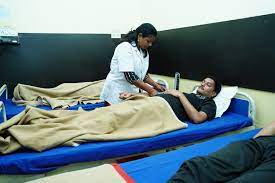
Detox is often the most challenging part of the recovery journey. During this stage, the body eliminates harmful substances.
What to Expect:
Medical supervision to manage withdrawal symptoms safely
Medications (if needed) to reduce discomfort
Emotional support from counselors and staff
Continuous monitoring for physical stability
Detox is temporary but crucial—it clears the path for deeper healing through therapy and counseling.
Step 3: Therapy and Counseling
Once detox is complete, the focus shifts to addressing the mental and emotional aspects of addiction.
Types of Therapy in Nagpur Rehab Centers:
Individual Counseling: One-on-one sessions with a psychologist to explore triggers, trauma, and coping mechanisms.
Group Therapy: Patients share experiences, gain motivation, and build a sense of community.
Family Counseling: Strengthens relationships and helps families understand how to support recovery.
Cognitive Behavioral Therapy (CBT): Rewires negative thought patterns that fuel addiction.
Therapy builds self-awareness and mental strength, ensuring long-term sobriety.
Step 4: Holistic Healing Practices
Most Nasha Mukti Kendras in Nagpur integrate holistic methods to support recovery. These include:
Yoga and Meditation: For stress relief, mindfulness, and self-control
Fitness Programs: To rebuild physical strength
Nutritional Guidance: For overall health improvement
Creative Therapies (Art/Music): To express emotions in a positive way
Holistic practices teach individuals how to manage life without relying on substances.
Step 5: Building Life Skills
Addiction often disrupts careers, education, and personal growth. Rehab centers help patients rebuild confidence by:
Teaching stress management and problem-solving skills
Encouraging hobbies and positive routines
Providing vocational training in some cases
Guiding individuals on how to reintegrate into society
This stage prepares patients for life outside the center.
Step 6: Aftercare and Relapse Prevention
Recovery does not end when the rehab program is over. Aftercare is essential to maintain sobriety.
Aftercare Support in Nagpur:
Regular follow-up sessions with counselors
Support group meetings
Relapse prevention strategies
Continuous family involvement
This step ensures long-term stability and prevents patients from falling back into old habits.
What Families Should Expect
Families play a big role throughout the journey. They can expect to:
Attend therapy sessions with their loved one
Learn how to create a supportive, substance-free home environment
Understand relapse warning signs
Celebrate progress, no matter how small
Conclusion
The journey of recovery at a Nagpur Nasha Mukti Kendra is a structured process involving detox, therapy, holistic healing, life skill building, and long-term aftercare. While the path may seem difficult at first, it is also filled with hope and transformation.
Addiction is not the end—it is a chapter that can be closed with the right treatment, family support, and determination. If you or a loved one is struggling, remember: the first step is courage, and the next steps lead to freedom.


Leave A Comment